
Dojo Training vs Gym Workouts: Which Builds More?
- brocksensei
- Aug 3
- 6 min read
A treadmill can raise your heart rate. A weight room can make you stronger. But when a child stands tall after earning a new belt, or an adult returns to practice after a difficult week, something more is happening. The question of dojo training vs gym workouts is not simply about where you burn calories. It is about what kind of strength you are choosing to build.
For families and adults who want health, structure, and meaningful growth, both options can play a valuable role. The better choice depends on your goals, your season of life, and the kind of support that helps you stay committed.
Dojo Training vs Gym Workouts: The Core Difference
Gym workouts are usually self-directed. You choose a routine, select your weight or machine, and work toward outcomes such as fat loss, muscle gain, endurance, or mobility. That freedom is useful, especially for someone who already knows how to train and enjoys planning their own program.
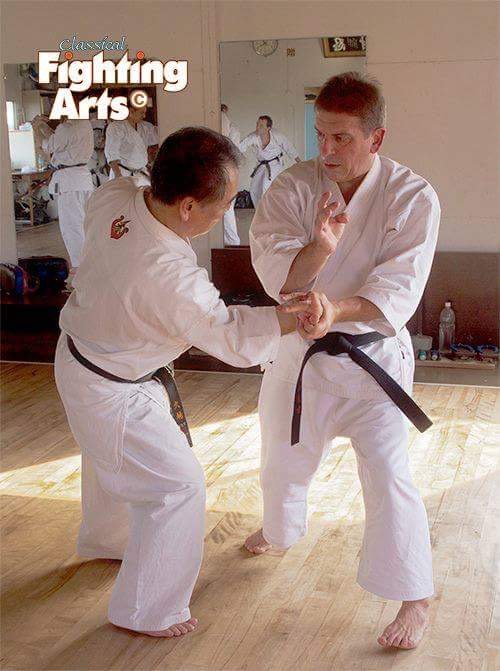
Dojo training is guided practice within a tradition. Students learn stances, strikes, blocks, movement, breathing, conditioning, and forms through a clear progression. They also practice how to listen, respond under pressure, work with training partners, and carry themselves with respect. Physical fitness is part of the work, but it is not the whole purpose.
This difference matters because many people do not struggle with knowing that exercise is good for them. They struggle with consistency. A structured class, an instructor who knows your progress, and fellow students working beside you can turn good intentions into a lasting habit.
What a Gym Workout Does Well
A gym gives you flexibility. You can train before work, after the kids are asleep, or during a break in the day. You can focus precisely on a goal, whether that means building strength with resistance training, improving cardiovascular health, or recovering mobility after a long period of inactivity.
For adults with specific performance goals, gym training can be highly efficient. Progressive strength work is especially valuable for building muscle, supporting bone health, and making everyday tasks feel easier. A well-designed gym routine can also complement karate by strengthening the legs, back, grip, and core.
Still, a gym asks you to provide much of the structure yourself. You must decide what to do, use good form, increase difficulty wisely, and return even when motivation is low. Some people thrive with that independence. Others find themselves repeating the same comfortable routine, skipping sessions, or feeling unsure whether they are progressing.
For children and teens, a standard gym environment is often not enough on its own. Exercise matters, but young people also need coaching, positive standards, and a setting that teaches them how to handle challenge with maturity.
What Traditional Dojo Training Adds
Traditional karate develops the whole student through repeated, purposeful practice. A class may include warmups and conditioning, but students also train balance, coordination, flexibility, timing, posture, focus, and body awareness. These qualities carry into school, sports, work, and daily life.
The mental training is just as meaningful. Students are expected to pay attention, follow directions, persevere through corrections, and show respect to instructors and training partners. A student cannot rush past the basics just because they want the next belt. They learn that progress is earned through steady effort.
That lesson can be especially powerful for a child who needs confidence but does not respond well to pressure without support. Karate offers clear expectations and a path forward. A student can see what they are working toward while being encouraged to improve one practice at a time.
At Ten Chi Jin Dojo, traditional Okinawan karate is taught as more than a collection of techniques. It is a disciplined path for overcoming physical, mental, and spiritual obstacles while becoming a stronger member of the family and community.
Fitness with a purpose
A karate class can challenge the body in ways that feel more engaging than counting repetitions alone. Students move through stances, drills, forms, and partner exercises. They develop usable strength in the legs and core, improve mobility through range of motion, and build cardiovascular endurance through sustained practice.
The intensity can vary by age, experience, and class format. That is a strength, not a weakness. A beginner does not need to perform like an experienced student on day one. They need a safe place to start, attentive instruction, and a reason to return.
Accountability without comparison
A good dojo holds students accountable while recognizing that every person begins from a different place. A quiet child, a busy parent, and an athletic teenager may all face different obstacles. Their goal is not to outshine everyone else in the room. Their goal is to improve their own effort, skill, and self-control.
Gym culture can be encouraging too, but it can sometimes invite unhelpful comparison. In a traditional dojo, the emphasis is more often on respect, patience, and personal responsibility. You train with others, not simply beside them.
Which Choice Is Better for Children?
For most children, dojo training provides benefits that a gym membership cannot easily replace. Children need movement, but they also need a trusted adult to set boundaries, notice effort, and help them recover after mistakes. They need a social environment where discipline is practiced consistently and respect is expected from everyone.
Karate gives children a healthy way to meet challenge. They learn to control their bodies, use their voices appropriately, and stay calm when a task feels difficult. As their skills grow, confidence becomes more than a pep talk. It is supported by real evidence: they showed up, practiced, received correction, and improved.
Parents often see the difference outside class. A child may become more willing to focus on homework, take responsibility for small tasks, or speak with greater confidence. No program can promise the same outcome for every child, and growth takes time. But a structured martial arts environment gives those qualities room to develop.
Which Choice Is Better for Adults?
Adults should be honest about what will keep them engaged. If your main goal is lifting heavier weights or following a highly specific training plan, a gym may be your best primary setting. If you enjoy solo exercise and can maintain a routine without outside structure, its flexibility is hard to beat.
If you want fitness connected to skill, discipline, and personal growth, a dojo may be the better fit. Karate gives adults a reason to train beyond the scale or the mirror. You arrive with the demands of work, family, and daily responsibilities, then practice being present. Over time, that can build physical ability and a steadier mindset.
Many adults benefit from using both. Two or three karate classes each week can provide movement, technique, and community, while a simple strength routine supports long-term physical development. The right balance should fit your schedule and recovery, not create another burden you cannot sustain.
Consider the Environment Before You Choose
The place you train shapes the habit you build. Before choosing a dojo or gym, consider whether the environment feels safe, organized, and welcoming. Are instructors attentive? Are beginners given clear guidance? Do the people around you support growth, or do they make you feel like you need to prove yourself?
For parents, watch how instructors speak to children. Strong instruction should be firm without being harsh. It should teach responsibility without shaming mistakes. A family-centered dojo creates standards while reminding students that they belong and can improve.
For adults, look for a setting that respects where you are now but does not let you stay there forever. Real encouragement is not empty praise. It is someone helping you see the next right step, then expecting you to take it.
Choose the Training That Builds Your Life
The best exercise plan is one you can continue. A gym workout may be exactly what you need for flexible scheduling or focused strength goals. Dojo training may be the better answer when you want your exercise to develop focus, confidence, self-control, and connection along with fitness.
You do not have to choose a path based on what looks impressive for a week. Choose the place that calls you or your child to show up with purpose, practice with humility, and grow through challenge. That kind of training reaches far beyond the next workout.

Comments