

How Karate for Teens Builds Confidence
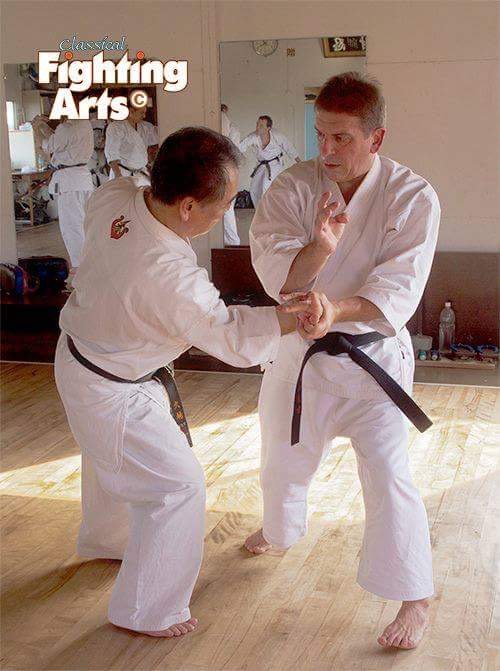
A teen can look confident on the outside and still feel unsure the moment life gets hard. One bad social moment, one missed assignment, one failed tryout, and that confidence can disappear fast. That is why karate for teens confidence is not about teaching a young person to act tough. It is about helping them become steady, capable, and self-respecting under pressure.
Parents often see the need before a teen can explain it. Maybe their son has started shrinking back in group settings. Maybe their daughter is talented but constantly second-guesses herself. Maybe motivation is inconsistent, emotions run high, and every challenge feels bigger than it should. In many cases, what a teen needs is not another lecture. They need a place where effort matters, progress is visible, and character is trained alongside skill.
Why confidence is hard for teens to hold onto
The teenage years are full of change. Bodies change, friendships shift, school pressure increases, and identity starts taking shape. Confidence during this stage is often fragile because it is tied to things that can change overnight - appearance, social approval, performance, and comparison.
That kind of confidence does not last. If a teen only feels good when everything goes right, they are left exposed when life gets uncomfortable. Real confidence comes from a different source. It grows when a young person learns, through repeated experience, that they can face difficulty without quitting.
This is where traditional karate has a unique role. It gives teens a structured environment where challenge is expected, respect is practiced, and growth is earned. They begin to see themselves differently, not because someone tells them they are amazing, but because they prove to themselves that they can improve.
How karate for teens confidence develops over time
Confidence in karate is usually quiet at first. A teen learns how to stand correctly, how to bow, how to follow instruction, and how to stay present. None of that looks dramatic from the outside. Yet those small actions begin shaping something important inside.
They learn that discipline creates progress
Many teens struggle with confidence because they feel out of control. They want better results in school, sports, or relationships, but they do not always know how to create them. Karate teaches a clear connection between action and outcome.
When a student practices a stance consistently, it improves. When they focus on a technique instead of rushing through it, it gets sharper. When they stay with something difficult long enough, they get stronger. This is one of the most valuable lessons a teen can learn. Progress is not random. It is built.
That understanding changes how they carry themselves. A teen who knows effort matters begins to approach life with more ownership. Instead of saying, "I am just bad at this," they start asking, "What do I need to work on?"
They get comfortable being corrected
This matters more than many people realize. Teens often tie correction to embarrassment. If a teacher points something out, they hear failure. If a coach pushes them, they shut down. In a healthy dojo, correction is not an attack. It is part of learning.
Over time, students begin to understand that being coached is not proof they are lacking. It is proof they are growing. That shift is powerful. A teen who can receive guidance without crumbling becomes more resilient in every area of life.
They practice composure under pressure
Karate asks students to perform with attention. They are observed. They are expected to remember. They are called to respond with control. At first, that can feel uncomfortable, especially for teens who are shy, anxious, or easily frustrated.
But this is exactly where confidence begins to take root. A teen who learns to breathe, focus, and execute under pressure starts building trust in themselves. They no longer need perfect conditions to function well. They can stay grounded even when nerves show up.
Confidence is not aggression
Some parents worry that martial arts will make a teen more confrontational. In authentic traditional training, the opposite is usually true. A student who is grounded in discipline and respect is often less reactive, not more.
That is because confidence and aggression are not the same thing. Aggression often comes from insecurity, impulsiveness, or the need to prove something. Real confidence does not need to dominate the room. It is calm. It has boundaries. It knows when to speak, when to listen, and when to walk away.
Karate can help a teen develop that kind of presence. They stand taller, make better eye contact, and carry more self-control. For some teens, this means becoming less timid. For others, it means becoming less reckless. Either way, the goal is balance.
The role of structure in teen growth
Teens benefit from environments that are caring and clear. Too much looseness can leave them drifting. Too much harshness can shut them down. Good karate instruction offers something better - warmth with standards.
Students know what is expected. They are asked to show respect, stay attentive, and give honest effort. Those expectations create stability. Many teens rise when they are given a framework that calls them upward.
This is especially helpful for teens who are inconsistent with motivation. They may not always feel like training. They may come in distracted or tired. Yet the discipline of showing up, listening, and working anyway teaches them a lesson that reaches far beyond class. Feelings matter, but they do not have to be in charge.
That is a major part of confidence. A teen begins to realize, "I can do what is right even when I do not feel fully ready."
Karate for teens confidence also grows through belonging
Not every teen needs to be the loudest person in the room. Some simply need a place where they feel seen, challenged, and accepted. A strong dojo community can provide that.
In the right environment, teens train beside others who are learning the same lessons - humility, perseverance, courtesy, and self-control. They are not judged by social status. They are measured by attitude, effort, and growth. That can be deeply refreshing for a young person who feels out of place elsewhere.
Belonging matters because confidence rarely grows in isolation. Teens need mentors who expect more from them and peers who reinforce healthy standards. They need to experience being part of something meaningful, where their contribution matters and their progress is noticed.
For families in North Georgia looking for more than just an activity, this kind of culture can make a real difference. It supports the whole person, not just the schedule.
What parents may notice first
Parents are often looking for a dramatic breakthrough, but the first signs of growth are usually smaller and more meaningful. A teen may begin speaking more clearly. They may follow through with less resistance. They may handle disappointment with a little more maturity than before.
You might notice improved posture, stronger eye contact, or a calmer response to correction. You may see them take more initiative at home or carry themselves with more self-respect at school. These changes are not accidental. They are the visible results of internal training.
It is worth saying that every teen develops at a different pace. Some gain confidence quickly once they find the right structure. Others need time. A teen who has been discouraged for years may not transform in a month. But steady, purposeful training often reaches places that lectures cannot.
Why traditional training matters
Not all martial arts environments shape confidence in the same way. If training is overly casual, a teen may enjoy it without really being changed by it. If it is all intensity with no guidance, they may feel intimidated rather than strengthened.
Traditional karate offers a different path. It ties skill to character. It teaches that respect is not weakness, discipline is not punishment, and perseverance is not optional. Students are invited into a process that asks for their best while helping them become better.
That kind of training can be especially valuable in a season of life where teens are deciding who they will become. They need more than entertainment. They need formation.
At Ten Chi Jin Dojo, that mission is simple and serious - build better people through authentic karate training, strong mentorship, and a family-centered culture that calls each student to grow.
A confident teen is not one who never struggles. It is one who learns how to meet struggle with courage, humility, and control. When a young person trains that way consistently, confidence stops being a mask and starts becoming part of their character.

Comments