

12 Best Character Building Activities for Kids
A child who says “yes, sir,” finishes a hard task, helps a classmate, and stays calm when frustrated is not just behaving well for the moment. That child is learning how to live with character. The best character building activities for kids do more than keep them busy. They teach habits that shape how children respond to challenge, treat other people, and carry themselves when no one is watching.
Parents often feel pressure to find the perfect program or the perfect speech to teach respect, self-control, and confidence. Usually, character grows another way. It grows through repeated action, clear expectations, and caring adults who hold the line with warmth and consistency. A good activity gives children a chance to practice values, not just hear about them.
What makes character building activities work
Not every “good” activity builds character in the same way. Some are fun but do little to develop discipline. Others teach responsibility but may not help a child grow courage or empathy. The strongest activities combine structure, challenge, and reflection.
Children build character when they have to follow through, work with others, recover from mistakes, and keep going after discomfort. That is why the best results often come from activities with routines, standards, and mentorship. Kids need moments where they are expected to listen, try again, and improve.
It also helps when adults name the value being practiced. A child who clears the table every night is learning responsibility. A child who waits his turn during training is learning self-control. A child who encourages a teammate is learning respect. When families connect the action to the value, the lesson becomes stronger.
12 best character building activities for kids
1. Martial arts training
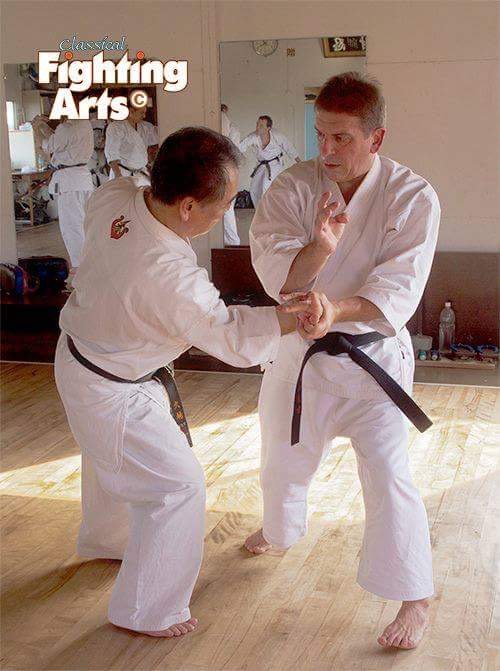
Martial arts stands out because it trains the body and the mind together. In a strong traditional program, children learn to listen, show respect, control their emotions, and stay committed even when a skill feels difficult. They also learn that confidence is earned through practice, not handed out for free.
This matters because many kids need more than exercise. They need a place where discipline is expected, encouragement is steady, and progress is clear. Karate, especially in a traditional setting, teaches children to bow, follow instruction, persevere, and carry themselves with purpose. Those lessons reach beyond the dojo and into school, home, and friendships.
2. Family chore routines
Character is often built in ordinary moments. A consistent chore routine teaches responsibility, follow-through, and service to the household. It shows children that they are not just consumers of family life. They are contributors.
The key is consistency. Random chores create random lessons. A clear weekly expectation, matched to the child’s age, helps build ownership. Younger children can put away shoes or feed a pet. Older children can help with laundry, dishes, or yard work. What matters is not perfection. What matters is learning to do the job without excuses.
3. Team sports with strong coaching
Sports can teach resilience, cooperation, and humility, but it depends on the environment. A healthy team culture helps children learn how to win without arrogance and lose without quitting. They learn to support others, accept correction, and work toward a shared goal.
The trade-off is that not every sports setting develops character equally. If the focus is only on performance, playing time, or trophies, some of the deeper lessons can get lost. Parents should look for coaches who value effort, attitude, and respect as much as skill.
4. Volunteer service projects
Serving others teaches children that the world does not revolve around them. Whether they help pack food, clean up a neighborhood space, write cards for seniors, or participate in a community drive, they begin to understand compassion in action.
Service works best when it is regular enough to shape perspective. One afternoon can be meaningful, but repeated service builds empathy more deeply. Children begin to ask better questions, notice needs around them, and take responsibility for how they can help.
5. Reading stories with moral conflict
Books give children a safe place to wrestle with courage, honesty, loyalty, and consequences. A good story lets them see what happens when a character chooses selfishness, bravery, kindness, or integrity.
The real value comes in the conversation afterward. Ask what the character should have done, whether the choice was easy, and what your child might do in the same situation. These simple talks help children develop a moral vocabulary, which makes it easier to recognize character decisions in real life.
6. Goal setting and progress tracking
Children need chances to work toward something that takes time. A simple goal system teaches patience, effort, and self-discipline. This could be reading for twenty minutes a day, improving a school subject, learning a kata, practicing an instrument, or saving money for something meaningful.
When kids track progress, they learn an important truth: growth usually comes in small steps. They begin to connect effort with results. That lesson strengthens grit and helps them handle frustration better.
7. Journaling or reflection time
Many children react before they think because they have never learned how to pause. A few minutes of reflection helps build self-awareness. That might look like writing about what went well, where they struggled, how they handled a problem, or what they want to do better tomorrow.
This does not need to feel heavy or formal. Some children write full sentences. Others answer simple prompts. The purpose is to help them notice their choices. Character improves when children can recognize patterns in their own behavior.
8. Leadership roles at home or in groups
Giving a child a real responsibility teaches accountability and confidence. Let them help lead a warm-up, organize supplies, guide a younger sibling in a simple task, or take charge of a family project.
Leadership should come with standards, not just titles. Children grow when they understand that leadership means serving, setting an example, and staying dependable. That lesson protects them from the idea that leadership is only about attention or status.
9. Cooperative games
Some children need help learning how to work with others without dominating, withdrawing, or giving up. Cooperative games teach patience, communication, and problem-solving. Board games, partner challenges, and group tasks can all help.
These moments are especially useful because they reveal habits quickly. A child who struggles with losing, interrupting, or blaming others is showing you where character work is needed. That is not a failure. It is an opportunity to coach with purpose.
10. Skill-based arts and music
Art, music, and other skill-based disciplines build more than creativity. They teach attention to detail, consistency, and humility. Children learn that improvement takes practice, correction, and repetition.
This can be especially helpful for kids who do not connect strongly with sports. Character is not built through one type of activity alone. The best fit is often the one that requires commitment while matching the child’s temperament and strengths.
11. Outdoor challenge activities
Hiking, obstacle courses, camping tasks, and other outdoor challenges can build courage and resilience. Children learn how to handle discomfort, solve problems, and adapt when things do not go as planned.
These activities work well because they are physical and immediate. A hill must be climbed. A tent must be set up. A trail must be finished. Kids experience the satisfaction of doing hard things, and that experience can change how they view future challenges.
12. Gratitude and encouragement habits
Children need to learn that strong character includes how they speak to others. A daily gratitude practice or a habit of encouraging family members, teammates, or classmates helps develop humility and kindness.
This might be as simple as naming one thing they are thankful for at dinner or writing a note of appreciation to a coach, teacher, or grandparent. These practices shape the heart. They remind children to notice the good and honor the people around them.
How to choose the best character building activities for kids
The right activity depends on what your child needs most right now. If your child struggles with focus, self-control, or confidence, a structured discipline like martial arts may be especially effective. If your child is kind but inconsistent, chores and goal tracking may help strengthen follow-through. If your child needs empathy and perspective, service projects may be the better place to start.
It is also wise to look at the adult leadership behind the activity. Character is often caught before it is taught. Children need mentors who model calm authority, consistency, and respect. A great activity in the wrong culture will not produce the same result.
For many families, the best approach is not choosing only one path. It is combining a few. A child might train in karate, help with chores, and participate in service as a family. Those layers reinforce one another and create a fuller pattern of growth.
Why structure matters more than entertainment
Parents sometimes feel they must keep children constantly entertained to keep them engaged. But character usually grows through structure more than novelty. Kids benefit from routines that ask something of them. They need places where effort matters, respect is expected, and excuses are not rewarded.
That does not mean every activity must feel strict or serious. It means children should regularly experience challenge with support. At Ten Chi Jin Dojo, that balance of warmth and discipline is central because children thrive when they know they are cared for and held accountable at the same time.
The goal is not to create a perfect child. The goal is to help a young person become more honest, more steady, more respectful, and more capable of facing life with courage. Choose activities that call those qualities forward, and keep showing up with them. Over time, those small repeated efforts become the kind of character that lasts.

Comments