

8 Best After School Confidence Activities
- brocksensei
- Jun 16
- 6 min read
The moment after school can tell you a lot about a child. Some kids come home talking a mile a minute. Others shut down, avoid eye contact, or say they are "bad" at things after one hard moment. That is why choosing the best after school confidence activities matters so much. The right activity does more than fill time. It gives a child structure, challenge, belonging, and steady proof that growth is possible.
Confidence is often misunderstood. It is not loudness. It is not showing off. Real confidence is quieter and stronger than that. It looks like trying again after a mistake, speaking respectfully, standing tall under pressure, and knowing that effort has value even before results show up.
For parents, this can make after-school decisions feel weighty. You are not just picking a hobby. You are choosing an environment that will shape your child’s habits, mindset, and view of themselves. Some activities help children feel entertained for an hour. Others help them build the kind of confidence that carries into the classroom, friendships, and family life.
What makes the best after school confidence activities work
The best after school confidence activities share a few important qualities. First, they give children a clear path of progress. Kids gain confidence when they can see themselves improving step by step. Second, they provide challenge with support. If something is too easy, confidence stays shallow. If it is too hard without guidance, frustration takes over.
A strong confidence-building activity also teaches responsibility. Praise alone does not build self-belief. Children grow when they learn, "I can do hard things, and I can improve through practice." That message is much more powerful than constant reassurance.
It also helps when the activity includes healthy social interaction. Confidence grows faster when children feel part of a respectful group and learn how to contribute, not just perform.
1. Martial arts builds confidence from the inside out
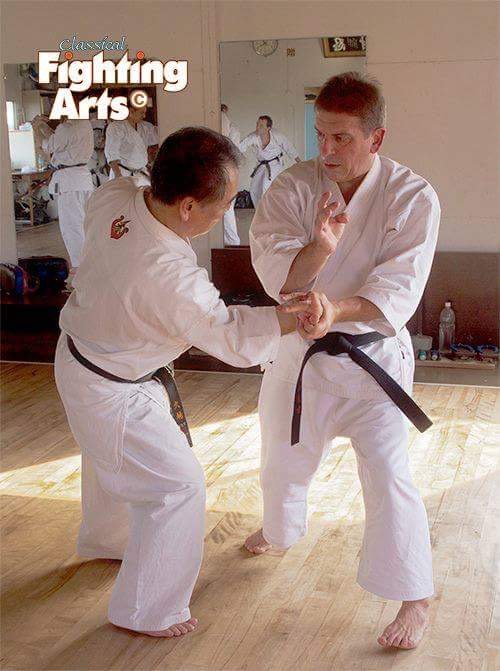
Martial arts stands out because it develops the whole child. A quality program teaches posture, eye contact, self-control, focus, and perseverance alongside physical skills. Children do not just hear positive messages. They practice them with their bodies and minds every class.
This matters because confidence is easier to build when it is tied to action. A child learns a stance, struggles with a technique, improves through repetition, and eventually succeeds. That process creates earned confidence, not borrowed confidence.
Traditional karate can be especially valuable because it is grounded in discipline and respect. Progress is structured. Expectations are clear. Students learn that being confident does not mean being careless or arrogant. It means becoming more capable, more responsible, and more composed.
For some children, martial arts is the first place where they feel strong without needing to be aggressive. For others, it is where they learn to manage big emotions, listen closely, and trust themselves. In a family-centered dojo, that growth is reinforced by mentorship and community, which makes the lessons stick.
2. Team sports can help, but the culture matters
Basketball, soccer, baseball, and similar sports can absolutely support confidence. They teach teamwork, effort, and resilience. They also help children become more comfortable with feedback and performance under pressure.
Still, this is one of those areas where it depends. Team sports are excellent for some kids and discouraging for others. A child who thrives in a fast-paced, competitive setting may gain a lot. A child who gets limited playing time or feels overshadowed may come away feeling less capable.
That does not mean team sports are a poor choice. It means parents should look carefully at the coaching culture. Is the emphasis on growth and character, or only on winning? Are children taught to encourage one another? Confidence grows best where effort and improvement are recognized consistently.
3. Performing arts teaches courage in visible ways
Theater, dance, and music lessons can be powerful confidence builders because they ask children to be seen. Performing in front of others takes courage. Learning how to handle nerves, practice faithfully, and keep going after mistakes can shape a child in meaningful ways.
These activities are especially helpful for children who need to develop self-expression. They can learn to use their voice, carry themselves with intention, and communicate with more ease.
The trade-off is that performance-based environments can sometimes create pressure if they are too centered on comparison. Children who are highly self-critical may need extra encouragement and a teacher who balances standards with patience.
4. Scouting and leadership programs build capable confidence
Programs centered on service, leadership, outdoor skills, and goal setting often do an excellent job of building grounded confidence. A child learns practical skills, takes on responsibility, and experiences the satisfaction of contribution.
This form of confidence is important because it moves beyond personal achievement. Kids begin to understand that they can help others, solve problems, and follow through on commitments. That creates maturity along with self-belief.
For families who want confidence tied closely to character, these programs can be a strong fit.
5. Art classes support confidence for reflective kids
Not every child builds confidence in a loud or high-energy environment. Some children need space to create, experiment, and express themselves more quietly. Drawing, painting, pottery, and other visual arts can help these kids feel capable without the social pressure of competition or performance.
Art also teaches persistence. Projects do not always go as planned. Children learn to adjust, keep working, and develop patience with the process. That is a confidence skill, even if it looks different from standing on a stage or scoring a goal.
If your child is thoughtful, sensitive, or easily overwhelmed, art may be one of the best after school confidence activities to consider.
6. Volunteer opportunities build purpose and empathy
Confidence grows when children see that they matter. Age-appropriate volunteer experiences can help them feel useful, responsible, and connected to something larger than themselves.
Helping at a community event, supporting a local cause, or participating in organized service can shift a child’s focus in a healthy way. Instead of worrying constantly about how they are being judged, they begin to see how they can contribute.
This kind of confidence tends to be steady and humble. It is less about attention and more about purpose.
7. Debate, public speaking, and academic clubs strengthen voice
Some children need help speaking up clearly and thinking under pressure. Debate teams, speech clubs, and academic groups can sharpen those skills in a lasting way. Students learn how to organize their thoughts, communicate respectfully, and handle disagreement without falling apart.
That said, these programs are often best for children who are ready for verbal challenge. A shy child may benefit, but only if the environment is supportive and not overly intimidating. Growth should feel stretching, not crushing.
8. Simple family routines can reinforce confidence daily
Not every confidence-building activity has to be formal. Family life after school can either strengthen what a child is learning or quietly weaken it. Small routines matter more than many parents realize.
A child who is expected to help set the table, finish homework with care, speak respectfully, and reflect on one thing they improved that day is learning confidence through responsibility. A child who only hears praise without standards may feel good in the moment but may struggle when real challenges appear.
The goal is not pressure. The goal is consistency. Confidence grows where children are loved deeply and also called to rise.
How to choose the right confidence activity for your child
The best choice depends on your child’s temperament, current struggles, and what kind of growth they need most. If your child lacks focus and self-control, a highly structured activity like martial arts may be a strong fit. If they need expression, the arts may help more. If they need belonging and teamwork, a healthy sports program could be the answer.
Watch for signs beyond excitement. Ask whether the activity teaches discipline, creates meaningful progress, and surrounds your child with the right influences. The strongest programs do not just keep kids busy. They ask them to grow.
Parents in Dalton, Varnell, and nearby North Georgia communities often tell us they are looking for more than an after-school option. They want an environment that helps their child become more confident, respectful, and resilient. That is the right standard to keep.
Confidence is built through repeated experiences of effort, correction, and success. It takes time. It takes structure. It takes caring adults who refuse to let a child settle for less than they are capable of becoming.
Choose an activity that does not just entertain your child for the afternoon. Choose one that teaches them to stand taller in their own life.


Comments