

Martial Arts for Focus in School Works
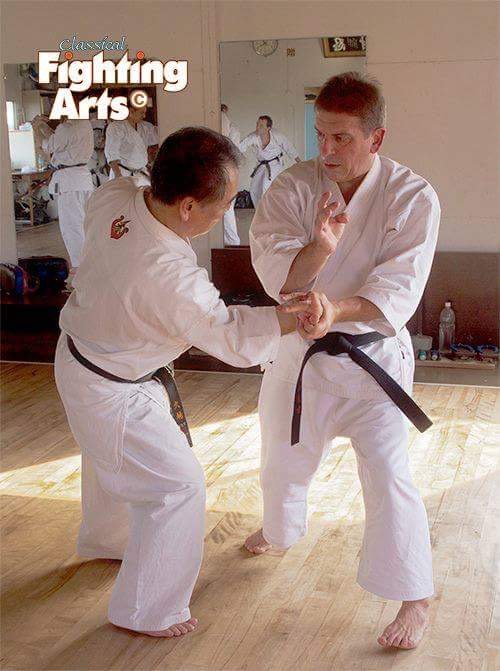
A child who can sit still at the kitchen table is not always a child who can stay organized in class, follow directions the first time, and recover calmly after frustration. Parents see that gap every day. That is why so many families start looking into martial arts for focus in school - not because they want another activity to fill the week, but because they want habits that carry into real life.
The right martial arts training does more than burn energy. It gives children and teens a structured way to practice attention, self-control, respect, and follow-through. Those qualities matter in a dojo, but they matter just as much when a student is listening to a teacher, working through homework, or trying to stay steady during a difficult day.
Why martial arts for focus in school can help
Focus is not just a personality trait. It is a skill that can be trained. Many students struggle in school not because they are unwilling, but because they have not yet developed the discipline to settle their bodies, direct their attention, and stay engaged when work becomes repetitive or challenging.
Traditional martial arts helps train those muscles in a very practical way. A student learns to stand with control, listen for instruction, repeat movements carefully, and correct mistakes without giving up. That process may look physical from the outside, but it builds mental habits at the same time.
When an instructor asks a child to watch closely, wait, respond with respect, and try again, the lesson is bigger than the technique. The student is learning how to pause before reacting. They are learning how to pay attention to details. They are learning that improvement comes from discipline, not impulse.
Those are school skills.
What focus really looks like in the classroom
Parents sometimes think of focus as simply being quiet, but school demands more than that. A focused student needs to transition between tasks, follow multi-step directions, manage frustration, and return attention after distractions. That is why some children can seem bright and motivated, yet still struggle with classroom performance.
Martial arts can support those challenges because training includes many of the same demands. Students must hear instruction, remember sequence, manage their bodies, and stay respectful in a group setting. Over time, they begin to understand that attention is active. It is not just sitting there. It is choosing what to do with your mind and body.
That choice matters. A child who practices self-control in training has more opportunity to use self-control at school. A teen who gets used to pushing through difficult drills may be more prepared to push through difficult assignments. Progress is never automatic, but the connection is real.
Martial arts for focus in school starts with structure
Not every activity teaches focus in the same way. Some are excellent for fitness or fun but offer less direct accountability. Traditional martial arts stands apart because structure is part of the method.
Class has expectations. Students bow, line up, listen, and respond. They learn that there is a right time to move, a right time to speak, and a right way to carry themselves. For some children, that level of structure is exactly what helps them settle. It creates a clear environment where they know what is expected.
That does not mean martial arts should feel cold or harsh. The best instruction combines discipline with encouragement. Students need correction, but they also need belief. When they experience both, they start to trust the process. They understand that focus is not punishment. It is a path to confidence.
This is one reason families are often drawn to authentic karate programs with a strong teaching lineage. The goal is not to entertain students from one minute to the next. The goal is to build better habits, stronger character, and steady growth over time.
The role of movement in mental concentration
Some students focus better after they move. That is not an excuse. It is often how their nervous system works. A child who struggles to sit through math may benefit from a disciplined physical outlet that teaches control instead of chaos.
Martial arts gives that outlet direction. Kicks, stances, blocks, and kata require balance and precision. The body is active, but the mind cannot wander far. Technique demands presence.
This is especially helpful for children who have energy to spare. In an unstructured setting, extra energy can spill into distraction. In a karate class, that same energy is guided into posture, breathing, timing, and repetition. Students begin to feel the difference between random movement and purposeful movement.
That matters at school. When children learn to regulate their bodies, they often have an easier time regulating attention.
Confidence and focus grow together
A student who is constantly corrected at school may begin to assume they are bad at paying attention. That belief can become part of their identity. Once that happens, focus problems become more than a habit. They become a confidence issue.
Martial arts can interrupt that pattern. Students are given challenges, but they are also given a clear path to improvement. They see themselves learn. They see that effort leads somewhere. They begin to understand that discipline is not a talent reserved for other people.
That shift is powerful. A child who feels capable is more likely to stay engaged. A teen who believes they can improve is more likely to keep trying after a setback. Confidence does not replace focus, but it supports it in a big way.
In a family-centered dojo environment, this growth is often even stronger. Students are not treated like numbers. They are known, guided, and held to a standard with care. That combination of belonging and responsibility can shape how they carry themselves far beyond class.
What parents should expect and what they should not
Martial arts is not a magic fix for every academic challenge. If a child is dealing with learning differences, emotional stress, or deeper attention concerns, karate should be seen as support, not a substitute for needed educational or medical guidance.
That said, many families notice meaningful changes. They may see better listening, improved posture, calmer transitions, or more willingness to complete tasks without constant reminders. These changes can happen gradually, and they often start at home before they show up clearly in school.
It also depends on the student and the school program. Some children respond quickly to structure. Others need time to adjust. Some love the challenge right away. Others build confidence slowly. Real growth usually comes from consistency, not instant results.
Parents should also look for the right teaching culture. If the environment is all noise and no discipline, the benefits for school focus may be limited. If the environment is strict without warmth, some students may shut down. The healthiest programs expect effort, teach respect, and support the individual behind the uniform.
How to recognize progress outside the dojo
You may not see dramatic changes overnight, but there are smaller signs that matter. A child may begin making eye contact when spoken to. They may start completing one task before jumping to the next. They may recover faster after frustration. They may show more patience with siblings or take correction with less resistance.
Those are meaningful wins because they point to internal change. Focus in school is often built from these daily behaviors. Better listening at home can support better listening in class. Stronger self-control during practice can support better self-control during group work and testing.
For teens, progress may look different. It might show up as more personal responsibility, steadier effort, or a better attitude toward hard things. That kind of maturity does not happen by accident. It is trained through repetition, accountability, and purposeful challenge.
A path worth choosing for families
Families who want more than a casual after-school activity often find that traditional martial arts offers something deeper. It creates a place where students are expected to grow, not just participate. It teaches that respect is practiced, discipline is learned, and focus can be strengthened one class at a time.
For parents in communities like Dalton and Varnell who are looking for a positive, structured environment, that matters. A strong dojo can become part of a child’s support system - not replacing school or family, but reinforcing the values both are trying to build.
At Ten Chi Jin Dojo, that mission is simple and serious: help students overcome obstacles, grow in character, and become stronger in body, mind, and spirit. When that kind of training is done well, the results do not stay on the mat.
If your child needs help paying attention, following through, or building steady confidence in the classroom, choose an activity that trains the whole person. Focus is not something children either have or do not have. With the right guidance, it can be built.

Martial arts changed everything for me. Trying to juggle homework used to feel like surviving Zombie Fight Night without any weapons—just endless chaos and zero concentration. Once I started hitting the dojo, my brain finally learned how to lock in. The secret is discipline. Sparring and forms teach you split-second focus, which translates directly to sitting down and tackling a tough essay or math problem. Instead of getting distracted every five minutes, I learned how to block out mental noise just like dodging an incoming strike. It gave me the mental endurance I needed for long study sessions. If your kid or student is struggling to focus, sign them up for training. It builds the mental stamina required to conquer…