
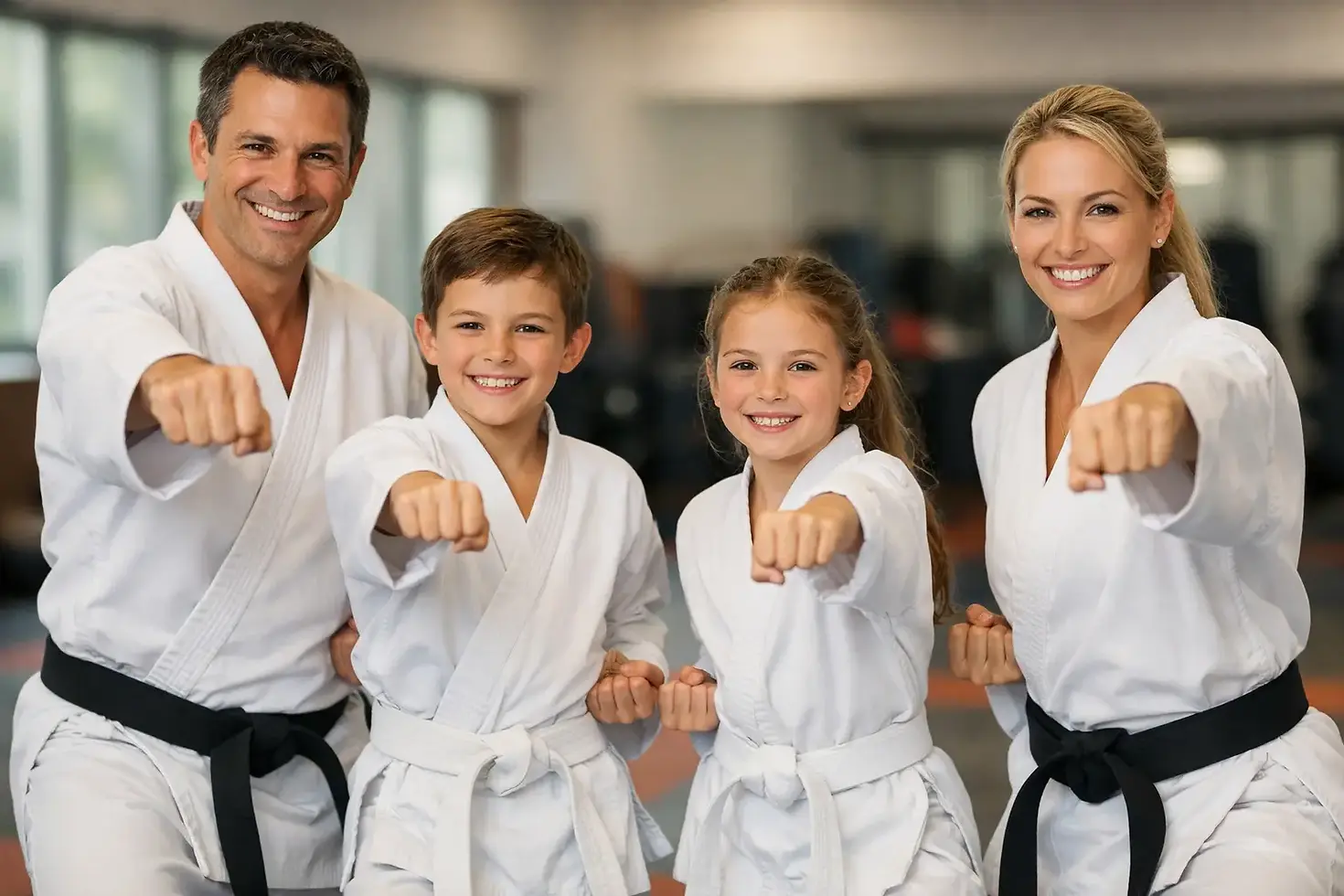
A Guide to Family Martial Arts Training
The best family activities are not always the easiest ones. A guide to family martial arts training should begin there, because real growth rarely comes from entertainment alone. Families grow stronger when they share a challenge, learn a common language of respect, and practice showing up for one another with consistency.
Martial arts can offer exactly that. It gives children structure, gives teens direction, and gives adults a meaningful way to keep developing instead of standing on the sidelines. When training is rooted in tradition and taught with care, it becomes more than an after-school activity. It becomes a place where families build confidence, self-control, resilience, and trust together.
Why family martial arts training works
Many parents begin looking at martial arts because they want their child to gain focus, discipline, or confidence. Those are good reasons. But family martial arts training often becomes even more valuable when parents or siblings participate in the journey too.
A child learns faster when the lessons taught in class are reinforced at home. If respect, patience, and steady effort are part of the training floor and the living room, the message carries more weight. The same is true for teens. When they see adults in their own family practicing humility, working through difficulty, and accepting correction, martial arts stops looking like a kids' program and starts looking like a life path.
There is also a practical benefit. Families are busy, and every added activity competes for time and energy. A shared training environment can simplify that pressure. Instead of one person dropping off and another waiting, martial arts can become a rhythm the family supports together.
A guide to family martial arts training starts with the right mindset
The first mistake some families make is treating martial arts like a short-term fix. They hope a few classes will solve focus issues, build confidence overnight, or immediately improve behavior. Good training does help with those things, but not like a switch being flipped.
Karate and other traditional martial arts work through repetition, structure, and accountability. Progress is earned. That is part of the value. A student learns that confidence grows from effort, not from praise alone. A parent learns that encouragement matters most when it is paired with consistency. A family learns that growth is not always dramatic, but it is real.
This mindset matters when children have hard days, when teens feel self-conscious, or when adults wonder if they are too late to begin. The right approach is not to ask, "Are we good at this yet?" It is to ask, "Are we becoming stronger, steadier, and more disciplined by staying with it?"
Choosing a program that serves the whole family
Not every martial arts school is built for families in the same way. Some focus heavily on competition. Some are fitness-centered. Some offer fast promotions but very little depth. None of those approaches are automatically wrong, but they may not match what a family actually needs.
If your goal is character development alongside physical skill, look for a program with clear structure, age-appropriate instruction, and a strong teaching lineage. Children need a class environment that develops listening skills, coordination, and self-control. Teens need challenge, accountability, and a healthy place to build identity. Adults need serious instruction that respects their time while pushing them to grow.
The teaching culture matters as much as the curriculum. Families do best in schools where discipline and warmth live side by side. In a healthy dojo, students are expected to work, listen, and improve. At the same time, they are guided with patience and treated as people with potential. That balance is where trust grows.
In North Georgia communities such as Dalton and Varnell, many families are not just looking for another activity to fill the calendar. They are looking for an environment that helps build better habits and better people. That is where traditional martial arts can stand apart.
What family members gain at different ages
One reason martial arts works so well for families is that the benefits are shared, even though they show up differently by age.
Young children often begin by learning how to stand still, follow directions, and manage their energy. These may sound like small steps, but they are foundational. A child who learns to listen under structure is also learning how to succeed in school, at home, and in future responsibilities.
Teens often need something more demanding. They benefit from goals, physical challenge, and a sense of earned progress. Martial arts gives them a constructive standard. It teaches that respect is not weakness, discipline is not punishment, and self-control is a form of strength.
Adults often come in for one reason and stay for another. They may begin for fitness, flexibility, or to support a child. Over time, many discover the deeper rewards of training: mental clarity, humility, perseverance, and the satisfaction of doing hard things well.
When a family trains in the same environment, each person develops differently, but no one develops alone.
How to make family martial arts training sustainable
The families who benefit most from martial arts are not always the families with the most natural talent. They are usually the families who build a sustainable routine.
That starts with realistic expectations. Not every family member will love every class. Not every week will feel smooth. Children get tired. Adults get busy. Teens have moments of resistance. The answer is not perfection. The answer is commitment.
A simple rhythm helps. Treat training like an important appointment, not an optional extra. Speak about it positively at home. Ask children what they learned, not just whether they had fun. Celebrate effort, improved attitude, and perseverance more than rank or outward achievement.
It also helps to let each family member have an individual journey inside the shared one. A younger child may need encouragement for focus. A teen may need room to take ownership. A parent may need permission to be a beginner. Family support works best when it is strong but not controlling.
What to expect in the early stages
The beginning matters because it often shapes whether a family keeps going. Early on, students are learning etiquette, basic movement, attention to instruction, and how to practice with care. This stage can feel slower than some families expect, especially if they imagined immediate action.
But fundamentals are where confidence begins. A student who learns how to stand correctly, move with purpose, and respond with respect is already changing. Those changes may first appear in posture, patience, or attitude before they appear in advanced technique.
Parents should expect growth to come in layers. One child may improve focus before coordination. Another may become more confident before becoming more disciplined. Adults may notice mental calm before major physical changes. Good instruction recognizes those differences without lowering standards.
The role of tradition in family training
Traditional martial arts offers something many families are missing - a framework bigger than mood, convenience, or instant results. Tradition gives meaning to the details. Bowing, standing with attention, repeating basics, and honoring instruction are not empty rituals. They teach students how to carry themselves with humility and purpose.
For families, this can be especially valuable. Children are shaped by what is repeated. Teens are shaped by what is respected. Adults are shaped by what they choose to commit to. A traditional dojo gives each of those groups a shared structure that supports long-term development.
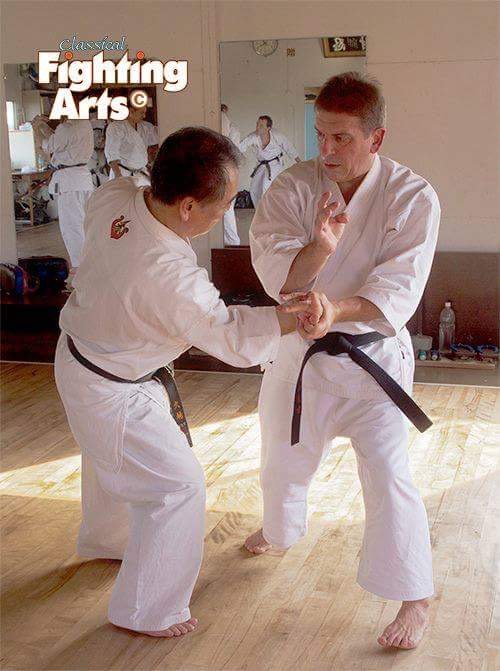
This is one reason families are often drawn to schools like Ten Chi Jin Dojo. Authentic instruction grounded in Okinawan karate tradition gives students more than movement. It gives them a path.
When family martial arts training may need adjustment
There are times when a family should pause and evaluate how training is working. If one child constantly compares themselves to a sibling, the focus may need to shift back to personal growth. If a parent becomes overly invested in quick results, that pressure can weaken the experience. If schedules become so packed that training adds stress instead of stability, the family may need a more manageable pace.
These are not signs of failure. They are reminders that growth requires wisdom as well as effort. The goal is not to force every family member through the exact same experience. The goal is to create a strong, supportive culture where each person can mature through training.
The right martial arts program will help families navigate those seasons without losing sight of the larger purpose.
A family that trains together is not just learning punches, blocks, or forms. It is practicing patience when progress is slow, courage when something feels unfamiliar, and discipline when easier options are available. Those lessons do not stay on the dojo floor. They show up at the dinner table, in schoolwork, in conflict, and in the quiet choices that shape who a family becomes.

Comments