

Parent Guide to Karate Etiquette
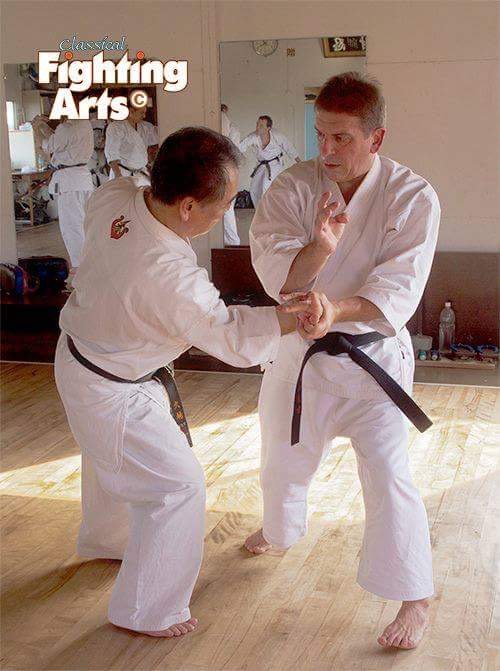
The first few minutes in a dojo can feel unfamiliar to a parent. Students line up, bow before stepping onto the floor, listen closely, and move with purpose. If you are new to martial arts, that structure may raise questions. This parent guide to karate etiquette is here to help you understand what those customs mean and why they matter for your child’s growth.
Karate etiquette is not about making children act formal for the sake of appearance. In a traditional dojo, etiquette teaches awareness, humility, self-control, and respect for others. Those lessons shape how a student trains, how they respond to correction, and how they carry themselves outside class as well. For many families, that is one of the greatest values of training.
Why etiquette matters in a karate dojo
A dojo is different from many after-school activities. Students are not simply there to burn energy or collect belts. They are learning how to discipline the body and the mind at the same time. Etiquette creates the environment that makes that possible.
When a child bows before entering the training floor, stands attentively during instruction, or thanks a partner after practice, they are learning more than routine. They are practicing respect in visible form. Over time, those repeated actions build habits. A student who learns to pause, pay attention, and respond respectfully in class is also building skills that support better behavior at home, at school, and in the community.
There is also a practical side to etiquette. A respectful dojo runs more safely. Students who listen quickly, wait their turn, and stay aware of others are less likely to create unnecessary risk. Structure protects everyone.
Parent guide to karate etiquette in the first weeks
Most parents do not need to memorize Japanese terms or know every detail before their child begins. What matters most is understanding the purpose behind the customs and helping your child approach training with the right attitude.
In the first weeks, your child may be learning how to bow, where to stand, when to speak, and how to respond to an instructor. That learning curve is normal. Young students, especially, may forget steps or feel awkward at first. The goal is not perfection on day one. The goal is steady improvement.
Parents can support that process by treating etiquette as part of training, not as an extra rule. If your child comes home talking about lining up properly or answering with a respectful "Yes, sir" or "Yes, ma'am," that is not empty formality. It is part of learning focus and self-command.
Common karate etiquette parents should expect
Some dojo customs are nearly universal in traditional karate, though exact details can vary by school and lineage. That is why it helps to stay observant and let the instructor’s standards lead.
Bowing is one of the first things families notice. Students often bow when entering or leaving the training area, at the start and end of class, and when working with a partner. A bow is a sign of respect, attention, and readiness to learn. It is not something mysterious. It simply marks a moment with intention.
Students are also expected to be on time and prepared. That usually means arriving early enough to settle in, wear the uniform correctly, and step into class ready to listen. Rushing in late changes a child’s mindset before training even begins. If lateness happens because life happens, the best response is simple courtesy and a calm return to focus.
Listening without interrupting is another major part of karate etiquette. In many dojos, students are expected to remain still while instructions are being given. That can be challenging for younger children, but it is one of the ways karate helps them grow. The expectation is not harshness. It is training in attention.
Cleanliness matters too. Uniforms should be neat, belts tied properly as taught, and hands and feet clean. This reflects respect for the dojo, for training partners, and for the art itself. It also supports hygiene in a shared training environment.
Partner respect is equally important. Students should never mock, show off, or treat drills like a chance to dominate someone else. Traditional karate develops strength, but it also teaches restraint. A good dojo helps students understand that control is part of real skill.
What parents should do at the dojo
Karate etiquette is not only for students. Parents help shape the training culture as well.
The first step is to honor the class environment. If your dojo has a viewing area, watch attentively and avoid becoming a sideline coach. It is natural to want to correct your child from across the room, especially if they seem distracted or nervous. But outside coaching usually creates more confusion. Let the instructor lead the class.
It also helps to respect the rhythm of the dojo. Keep conversations low before and after class, follow check-in procedures, and be mindful of younger siblings if they are present. A calm atmosphere helps students transition into a learning mindset.
If you have questions, ask them at the right time. Most instructors appreciate thoughtful parent communication, but not in the middle of teaching. Waiting until class ends or reaching out through the proper channel shows respect for the instructor’s role and for the students currently training.
Parents should also speak about instructors and class expectations with respect at home. Children notice quickly if a parent treats dojo rules as optional or overly strict. If the message at home is dismissive, the child’s effort in class usually weakens. If the message is supportive, the child is more likely to embrace the process.
Helping your child practice etiquette at home
Children learn faster when home and dojo expectations support each other. You do not need to turn your living room into a training hall. Small habits are enough.
Encourage your child to prepare their uniform the night before class. Help them arrive with a clean gi, water bottle, and a ready attitude. This teaches responsibility before they even step onto the floor.
You can also reinforce respectful responses in ordinary family life. Making eye contact, listening when spoken to, and answering promptly are simple habits that carry into karate. So does learning to receive correction without an argument. These are life skills, not just dojo skills.
If your child feels discouraged because they forgot a rule or were corrected in class, keep your response steady. Remind them that correction is part of learning. In a healthy dojo, discipline is not meant to shame. It is meant to guide. Children grow best when they understand that mistakes are opportunities to improve.
When etiquette feels unfamiliar or strict
Some parents are drawn to karate because they want more discipline for their child, while others feel unsure when they see a more structured environment. Both reactions are understandable.
Traditional etiquette can look strict from the outside, especially if your family is coming from activities with a more casual atmosphere. But structure and warmth are not opposites. In a strong dojo, students are held to clear standards while also being encouraged, supported, and taught with care.
It is also true that age matters. A five-year-old will not show etiquette in the same way as a teenager. Younger children may need repetition and patient reminders. Older students should gradually carry more responsibility and composure. Good instruction takes those differences seriously.
If something is unclear, ask. The right dojo will welcome sincere questions from parents who want to understand the culture and support their child well.
Choosing a dojo that teaches etiquette with purpose
Not every martial arts school teaches etiquette with the same depth. Some treat it as a quick ritual before the real lesson begins. In a traditional setting, etiquette is part of the lesson.
Look for a school where respect is consistent, not performative. Instructors should model self-control, students should be guided firmly but appropriately, and the atmosphere should feel orderly without feeling cold. Families should sense both standards and belonging.
That balance matters. A dojo should help children become more confident, not just more obedient. Real etiquette builds inner strength. It teaches students how to carry themselves with humility, courage, and consideration for others. That is one reason many families in communities like Dalton and Varnell choose traditional karate as a long-term path rather than a short-term activity.
A strong karate culture gives children something rare: clear expectations, meaningful challenge, and a place to grow into better habits one class at a time. As a parent, you do not need to know everything at the start. You just need a willingness to learn alongside your child, respect the process, and trust that the small acts of etiquette practiced in the dojo are building something much bigger over time.

Comments