
How to Choose a Karate Dojo Well
- brocksensei
- May 31
- 5 min read
A child who walks into the right dojo stands taller before the first class is even over. An adult who finds the right training home feels it too - not because the workout was flashy, but because the environment was clear, respectful, and purposeful. If you are wondering how to choose a karate dojo, the real question is not just where to train. It is where you or your child will be shaped.
Karate is not all the same. Some schools are built around fast promotion and entertainment. Others are built around tradition, discipline, and steady development. Neither website photos nor social media clips can tell you everything. You need to know what to look for when you step through the door.
How to Choose a Karate Dojo by Looking Past the Surface
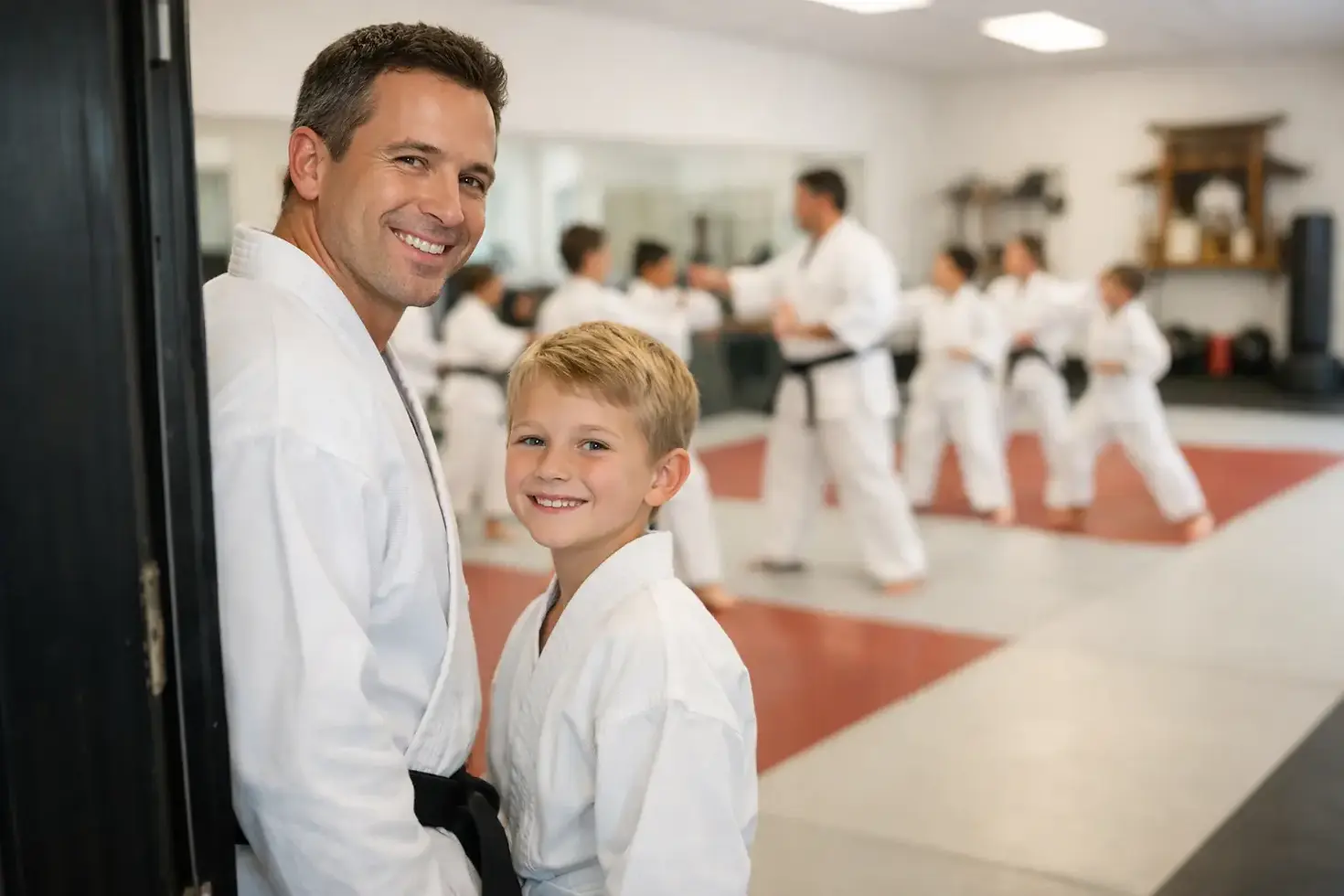
A good dojo should feel organized from the beginning. That does not mean cold or rigid. It means there is a standard. Students know how to enter, how to line up, how to listen, and how to treat one another. Instructors are attentive. Families are welcomed. The atmosphere has warmth, but it also has structure.
That balance matters, especially for parents. A school can be friendly and still lack discipline. It can be strict and still fail to build people well. The best dojo does both. It creates an environment where students feel supported and also called to grow.
When you visit, watch how students behave when they are not actively being corrected. That tells you more than a polished introduction ever will. If respect, focus, and self-control are part of the culture, you will see them in the small moments.
The instructor matters more than the décor
Many families start by comparing appearances. Clean mats, uniforms, lobby space, and convenient scheduling do matter. But the heart of a dojo is the instruction. A strong instructor teaches more than techniques. They teach standards, patience, effort, and responsibility.
Look for an instructor who can lead beginners without talking down to them. Children need guidance that is firm and encouraging. Teens need direction that respects their growing maturity. Adults need training that is challenging without being careless. Good instruction meets people where they are, then steadily moves them forward.
Lineage and credibility also matter. If a school claims to teach traditional karate, there should be a clear connection to that tradition. Authentic martial arts instruction has roots, not just branding. That does not mean every family needs to become an expert in Okinawan history before enrolling. It does mean you should ask where the curriculum comes from and what principles guide the training.
What a Good Karate Dojo Should Teach
A dojo should develop the whole student, not just physical skill. Punches, blocks, stances, and kata are part of the journey, but they are not the whole purpose. Real karate training should help a student grow in confidence, discipline, resilience, awareness, and self-control.
For children, that often shows up as better listening, more perseverance, and stronger emotional control. For teens, it may mean improved confidence, healthier identity, and a place to grow under good leadership. For adults, the benefit is often deeper than fitness. Training can become a way to rebuild focus, strengthen character, and move through stress with intention.
If a school talks only about winning, belts, or burning calories, it may be missing something essential. Physical progress is valuable, but karate should also shape the mind and spirit. The right dojo will speak clearly about what kind of person it is helping students become.
Age-appropriate structure is a good sign
Not every class should look the same. Young children need direction, repetition, and simple goals. Teens need challenge and accountability. Adults need technical depth, conditioning, and space to refine their understanding. A well-run dojo recognizes those differences.
That does not always require completely separate worlds for each age group, but it does require thoughtful structure. If everything feels one-size-fits-all, the training may not be serving students well. Ask how classes are organized and how instruction changes as students grow.
A family-centered dojo often does this especially well. It understands that parents are not just signing up for an activity. They are choosing an environment that will influence habits, attitudes, and identity over time.
How to Choose a Karate Dojo for Your Family
For families, the right dojo is not simply the closest one. It is the one that supports the values you want reinforced at home. Respect. Consistency. Accountability. Courage. These should not appear only in a mission statement. They should be visible in how instructors teach and how students respond.
Pay attention to whether the culture invites healthy involvement from families. A strong dojo does not treat parents as outsiders who drop off and disappear. It helps them understand the training path, the expectations, and the purpose behind the structure. That creates trust.
It is also worth asking yourself what your child or teen needs most right now. Some need confidence. Some need focus. Some need a place where effort is expected and encouraged. Some simply need to belong to something steady and honorable. The right dojo will not promise instant transformation, but it will offer a path.
Safety is about more than preventing injury
Most people think of safety in physical terms, and that is important. The facility should be clean. Supervision should be active. Instruction should be controlled and appropriate for skill level. Students should not be thrown into contact or complexity they are not ready for.
But emotional safety matters too. Students should be corrected with clarity, not humiliation. They should be challenged, not belittled. A dojo should build humility without tearing down confidence. Especially for children and teens, the tone of correction tells you a great deal about the school.
The right environment makes room for mistakes because mistakes are part of learning. Students should leave class feeling responsible for improvement, not ashamed of trying.
Questions to Ask Before You Join
When learning how to choose a karate dojo, a short conversation can reveal a great deal. Ask what the school believes karate is for. Ask how beginners are introduced. Ask what progress looks like beyond rank. Ask how they help students stay consistent when motivation fades.
You do not need a perfect sales pitch. In fact, a rehearsed answer is not always the most trustworthy one. Listen for sincerity and substance. A good dojo should be able to explain its purpose in plain language.
You can also ask to observe a class or participate in an introductory lesson. That firsthand experience often settles questions quickly. In communities like Dalton and Varnell, where families are looking for both strong instruction and a healthy culture, seeing the dojo in action matters more than any brochure ever could.
Watch for patience, not performance
Some schools are very good at first impressions. Loud energy, impressive demonstrations, and polished presentations can be exciting. But excitement is not the same as depth.
Watch how the instructor responds to the student who is struggling, distracted, or uncertain. That is where the real character of a dojo shows itself. Patience, clarity, and consistency build lasting students. Performance alone does not.
If you see instructors investing in beginners with care and high standards, that is a strong sign. The best dojos are not only skilled at producing advanced students. They are faithful in developing new ones.
A karate dojo should feel like a place where effort is honored, growth is expected, and character is being formed one class at a time. Choose the school that helps you or your child become stronger in ways that last long after practice ends.

Comments