

Traditional Karate Versus Sport Karate
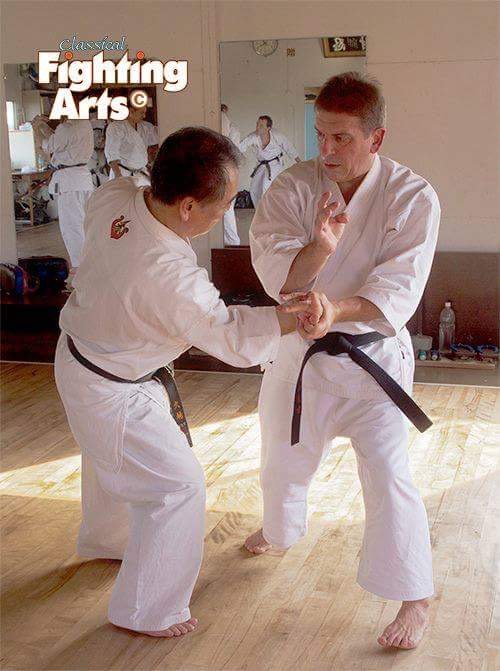
A lot of parents first ask this question after watching a fast-paced tournament clip online or visiting a martial arts school for the first time: what is the real difference between traditional karate versus sport karate? It is a fair question, because both use karate techniques, both require discipline, and both can help students grow. But they are not built around the same purpose, and that difference matters when you are choosing a path for your child, your teen, or yourself.
Karate can shape far more than athletic ability. The kind of training you choose will influence mindset, habits, confidence, and the way a student understands challenge. That is why this is not simply a debate about old versus new. It is about goals.
Traditional karate versus sport karate: the core difference
Traditional karate is rooted in self-development, self-defense, and the preservation of a martial system. Training usually includes basics, kata, partner work, body conditioning, breathing, posture, discipline, etiquette, and the steady formation of character. Progress is measured over years, not by how many medals a student can collect in a season.
Sport karate is organized around competition. The training is often shaped by tournament rules, scoring systems, judging standards, speed, timing, and strategy for winning matches. There is real athletic value in that. Students can develop sharp reflexes, confidence under pressure, and a strong competitive spirit. But the training emphasis naturally moves toward what performs well in competition.
Neither approach is automatically bad. The better question is what the training is trying to produce.
What traditional karate is trying to build
In a traditional dojo, students are usually taught that karate is not just something you do. It becomes part of how you carry yourself. Respect, self-control, humility, perseverance, and responsibility are not side lessons. They are part of the training itself.
That changes how classes feel. Students bow when they enter, pay attention to instruction, repeat fundamentals, and learn to manage frustration without quitting. For children, this can be especially valuable. They are not simply burning energy. They are learning how to listen, how to stay steady, and how to keep improving when something is difficult.
For teens and adults, traditional karate often provides something many people are missing - meaningful structure. Instead of chasing constant entertainment, students learn to trust repetition. Instead of looking for instant success, they build patience. Over time, that mindset reaches beyond the dojo into school, work, family life, and personal discipline.
The role of kata, basics, and discipline
People unfamiliar with traditional training sometimes see basics and kata as too repetitive. In reality, that repetition is where the deeper work happens. Proper stance, posture, breathing, alignment, focus, and body mechanics are not glamorous, but they create a strong foundation.
Kata is also often misunderstood. It is not just a memorized performance. In traditional karate, kata preserves principles of movement, timing, power generation, and combative understanding. It teaches students how to coordinate the body and mind under structure. Done correctly, it builds presence as much as technique.
This is one reason traditional karate tends to look less flashy to casual observers. The emphasis is not on what gets the quickest applause. It is on what develops the student completely.
What sport karate does well
Sport karate deserves respect for what it asks of athletes. Competitors must manage nerves, perform under pressure, sharpen reaction speed, and make fast decisions. Tournament experience can build courage and resilience. For some students, competition also provides motivation that helps them stay engaged.
There is a healthy side to testing yourself in front of others. A student who struggles with confidence may benefit from stepping onto a mat, facing an opponent, and learning to stay composed. Sport karate can also create excitement and clear short-term goals, which some personalities respond to very well.
The key is understanding that success in sport karate often depends on the rules of the event. Techniques may be selected, adapted, or emphasized because they score well, look crisp to judges, or fit within safety and timing requirements. That is logical for competition. It is just different from training primarily for lifelong martial development.
Where sport karate can become limited
A sport setting always has boundaries. There are permitted targets, prohibited actions, point systems, time limits, protective equipment, and referee oversight. That structure is necessary for fair competition. But real self-defense and traditional martial understanding do not happen inside those same limits.
This does not mean sport athletes are not skilled. Many are extremely talented. It simply means tournament success and martial depth are not always the same thing. A student can become excellent at scoring points without fully developing the broader qualities that traditional karate is designed to cultivate.
That trade-off matters if a parent is looking for character formation first, or if an adult wants a lifelong practice rather than a competition cycle.
Traditional karate versus sport karate for children and families
For families, the biggest difference often shows up in the culture around training. In a traditional environment, children are usually expected to grow in conduct as well as technique. Respect for instructors, steady effort, patience, and accountability are reinforced every class. The goal is not just to create a good athlete. It is to help build a strong young person.
That can be a better fit for parents who want more than after-school activity. Many families are not searching for another busy schedule item. They are searching for a place where their child can learn confidence without arrogance, discipline without harshness, and strength with self-control.
Sport karate can still offer positive lessons, especially for children who enjoy competition. But if tournaments become the center of the experience, some students begin to measure their value by wins and losses. Traditional karate usually keeps a wider view. A student who struggles but keeps showing up, works hard, and grows in character is still succeeding.
That perspective can be deeply healthy, especially during the years when identity is still forming.
Which path is better for self-defense?
If the question is strictly about self-defense, traditional karate generally has the stronger foundation. That is because it is usually taught as a martial art first, not a scoring system first. Training often emphasizes balance, distance, posture, body conditioning, awareness, control, and practical application of technique.
Of course, not every traditional school teaches self-defense equally well, and not every sport-based program ignores it. Quality instruction always matters. But in principle, traditional karate remains closer to the original purpose of karate as a method of protection, discipline, and personal refinement.
A student who only learns to react within tournament timing may need significant adjustment when dealing with the unpredictability of real conflict. Traditional training, when taught with integrity, aims to prepare the person more broadly.
The mindset question matters most
When families compare traditional karate versus sport karate, the most helpful question is not which one looks more exciting. It is this: who will this training help me become?
If the answer is a faster competitor, sport karate may be a strong fit. If the answer is a steadier, more disciplined, more grounded person, traditional karate usually offers a deeper road.
That does not mean traditional students cannot compete or that competitive students cannot learn discipline. There is overlap. But the center of gravity is different. One path is usually organized around performance. The other is organized around formation.
That distinction becomes clearer over time. Years down the road, students often remember less about trophies than about the habits they built, the mentors who guided them, and the confidence that came from overcoming difficult things the right way.
How to choose wisely
The best school for your family should match your values, not just your schedule. Watch how instructors correct students. Notice whether discipline is calm and purposeful or loud and performative. Ask what the school believes karate is for. Pay attention to whether students are only being prepared for the next event or being shaped for life.
A good dojo should challenge students while also caring for them. It should have standards, but also patience. It should help beginners feel welcome without lowering the meaning of the art. In communities like Dalton and Varnell, many families are not just looking for activity. They are looking for guidance, belonging, and a place where growth is taken seriously.
That is where authentic traditional karate stands apart. It does not promise quick rewards. It offers something better - a path that asks for effort, builds character, and gives students a stronger way to move through life.
Choose the training that aligns with the person you want to become, because the lessons practiced on the dojo floor rarely stay there.

Comments