

Adult Beginner Karate Classes That Fit Real Life
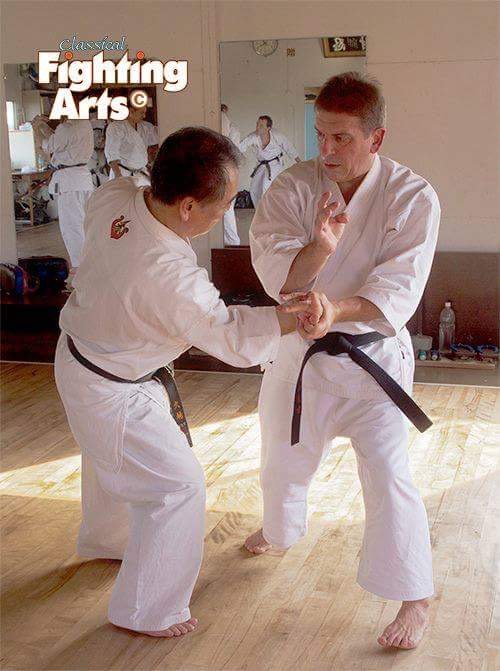
Most adults do not walk into a dojo because life feels easy. They come because they want to feel stronger, steadier, and more in control of themselves. Some are looking for a better way to get healthy. Some want a disciplined outlet after long workdays. Some simply want to begin something meaningful instead of watching another year go by.
That is why adult beginner karate classes matter. They are not only for people who already feel athletic or confident. They are for adults who are ready to choose growth on purpose, even if they feel unsure on day one. A good class meets you where you are, then asks you to move forward with consistency, humility, and effort.
Why adults start karate later in life
Adults usually begin karate for more than one reason. Fitness may bring them through the door, but it is rarely the whole story. Many people want structure. They want training that sharpens the body and also settles the mind. They want to build discipline in a world that constantly pulls their attention in ten different directions.
Karate offers that structure in a clear and honest way. You bow in, you train, you listen, you practice, and you improve. Progress does not come from shortcuts. It comes from repetition, patience, and learning how to stay present even when something feels awkward or difficult.
That matters for adults because adult life can be scattered. Work, family responsibilities, stress, and screen time can leave people feeling disconnected from their own strength. Karate gives that strength a place to return. It helps students reconnect with posture, breathing, balance, and self-control. Over time, that carries beyond class.
What adult beginner karate classes should feel like
A beginner class should feel structured, respectful, and encouraging. It should not feel chaotic, intimidating, or designed only for advanced students. Adults learn best when expectations are clear and instruction is patient but firm.
In strong adult beginner karate classes, instructors understand that new students may arrive with very different starting points. One person may have a sports background. Another may be returning to exercise after years away. Someone else may be managing stiffness, extra weight, or low confidence. Good teaching does not flatten those differences. It guides each student with the same standard of respect while helping them build skill at a steady pace.
You should expect fundamentals. That includes stance work, basic strikes, blocks, footwork, breathing, and body mechanics. At first, these basics can feel simple on the surface and surprisingly challenging in practice. That is normal. Traditional karate values precision because the basics shape everything that comes later.
You should also expect correction. In a healthy dojo, correction is not criticism. It is part of care. It means the instructor sees your potential and wants to help you move safely and correctly. Adults often appreciate this more than they expect, especially if they are tired of environments where nobody really teaches.
What to expect in your first few weeks
The first few weeks are usually a mix of excitement and humility. You will likely learn unfamiliar movements. You may feel coordination gaps you did not know were there. You may also leave class feeling more awake, more grounded, and more capable than you have in a long time.
At the beginning, focus less on looking polished and more on learning the rhythm of training. Listen carefully. Practice with intent. Ask questions when appropriate. Give yourself permission to be a beginner without apologizing for it.
Physical adaptation happens gradually. You may notice soreness, especially in the legs, hips, and core, because stances and controlled movement ask your body to work in new ways. That soreness is often part of waking the body back up. It should be managed with common sense, rest, hydration, and consistency, not ego.
Mental adaptation matters just as much. Karate requires attention. You cannot drift through it the way people often drift through a workout. That focused effort can feel demanding at first, but it becomes one of the greatest benefits. Many adults find that class becomes the one hour of the week when they are fully present.
The benefits go beyond fitness
Karate can absolutely improve strength, mobility, coordination, and endurance. It can help adults move better and feel better in their bodies. But if fitness is the only lens, you miss much of what makes training worthwhile.
Traditional karate also shapes habits. It teaches students to stay composed under pressure, to respond rather than react, and to respect process instead of chasing instant results. Those lessons matter at home, at work, and in every relationship where patience and self-control are required.
Confidence is another major benefit, but not the shallow kind. Real confidence is built through effort. It grows when you keep showing up, when you improve a technique that once felt impossible, and when you realize you can do hard things without needing praise every step of the way.
For some adults, training also meets a deeper need for purpose. In a supportive traditional school, karate is not just a physical activity. It becomes a path of self-refinement. You learn how to carry yourself with more discipline, more awareness, and more responsibility.
How to know if a dojo is right for beginners
Not every school is the right fit for every adult. That does not always mean one dojo is bad and another is good. Sometimes it simply means the culture and goals are different. Still, there are signs that a dojo takes adult beginners seriously.
Look for instruction that is organized and rooted in clear tradition. Adults benefit from a method, not random drills thrown together for entertainment. A school with authentic lineage and disciplined teaching usually offers a more grounded path for long-term growth.
Pay attention to the atmosphere. Is it respectful? Are students attentive? Do instructors lead with both authority and patience? A family-centered dojo often creates a strong environment for adults because it values character, consistency, and belonging rather than ego.
It also helps to notice what the school seems to prioritize. If every message is only about intensity, fast results, or image, that may not serve a true beginner well. If the emphasis is on learning, personal development, and steady progress, you are more likely to find a place where adults can grow with confidence.
In North Georgia, many families and adults are looking for more than an activity. They want a community with standards, encouragement, and real mentorship. That is where a traditional school like Ten Chi Jin Dojo stands apart. The goal is not just to teach movement. The goal is to help people build better lives through disciplined training.
Common concerns adults have before starting
One of the biggest worries is, "Am I too old to start?" In most cases, no. Adults begin karate at many different ages. What matters more than age is willingness. If you are coachable, consistent, and prepared to work within your current ability, you can make meaningful progress.
Another concern is flexibility. Many beginners believe they need to get in shape before joining. Usually, the better answer is to let training help you get there. You do not need to arrive already transformed. You need to arrive ready to learn.
Some adults also worry about embarrassment. That concern is understandable, especially for people who have not tried something new in a long time. But serious training environments tend to reduce that fear quickly. When everyone is focused on improving, there is less room for comparison and more room for growth.
There are trade-offs, of course. Karate takes commitment. Progress can be slower than people expect, especially if they are used to quick reward systems. It also asks for humility. You may be highly capable in your career and still feel clumsy in class at first. That experience can be uncomfortable, but it is often exactly what makes the journey worthwhile.
How to start well and stay with it
The best way to begin is simply to begin with the right mindset. Do not measure your success by whether you feel advanced quickly. Measure it by whether you are becoming more disciplined, more focused, and more willing to learn.
Consistency matters more than intensity. A student who trains steadily will usually go farther than one who starts with enthusiasm and disappears when progress feels slow. Small improvements, repeated over time, lead to major change.
It also helps to stay teachable. Receive correction with gratitude. Practice the basics seriously. Respect the culture of the dojo. Adults who do well in karate are often the ones who stop trying to prove themselves and start trying to build themselves.
If you are considering adult beginner karate classes, you do not need a perfect body, a perfect schedule, or perfect confidence. You need a place that will challenge you with purpose and support you with integrity. Then you need the courage to take the first step and keep taking the next one.
A meaningful path rarely begins when you feel fully ready. It begins when you decide that growth is worth the effort.

Comments