
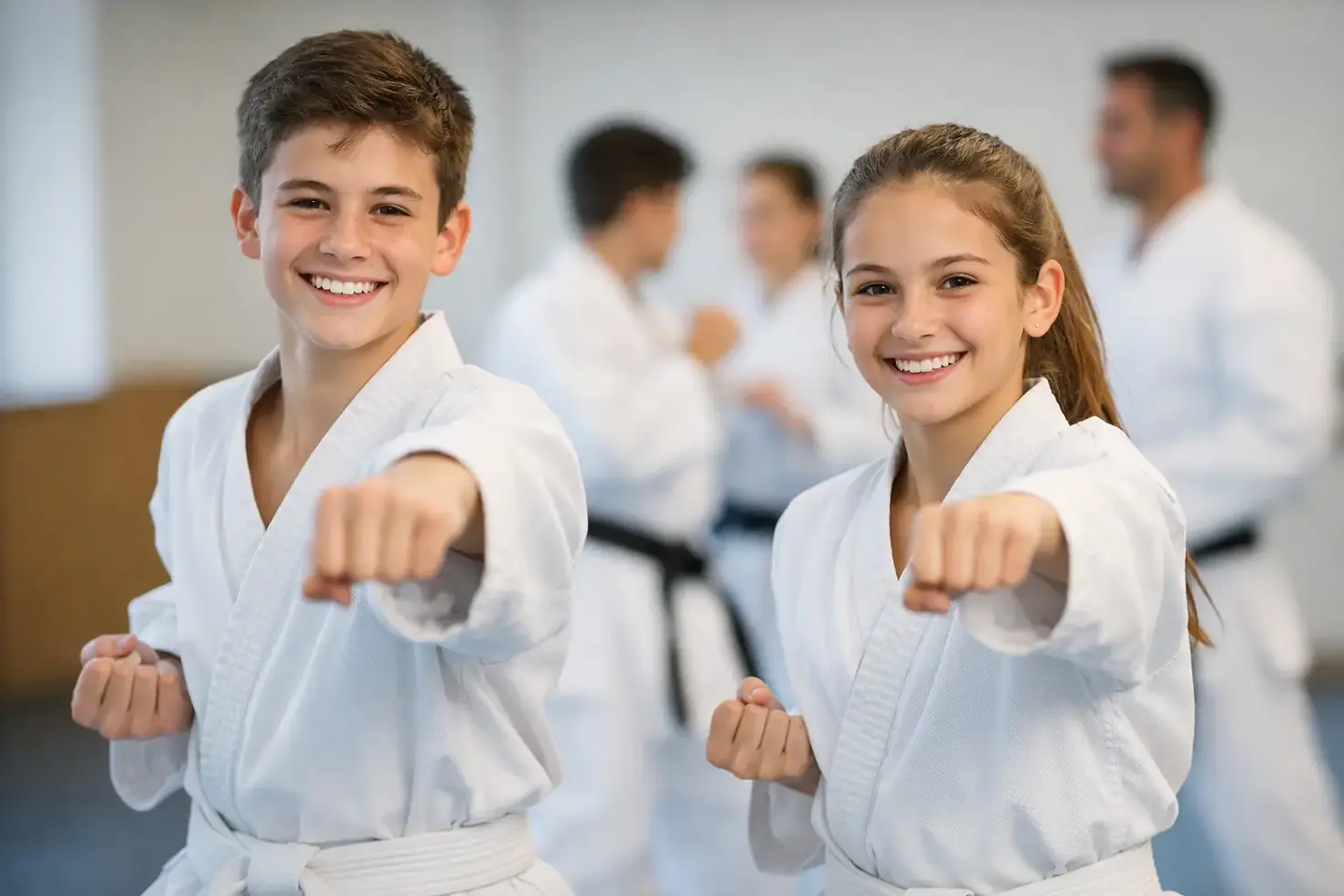
A Guide to Karate Training for Teens
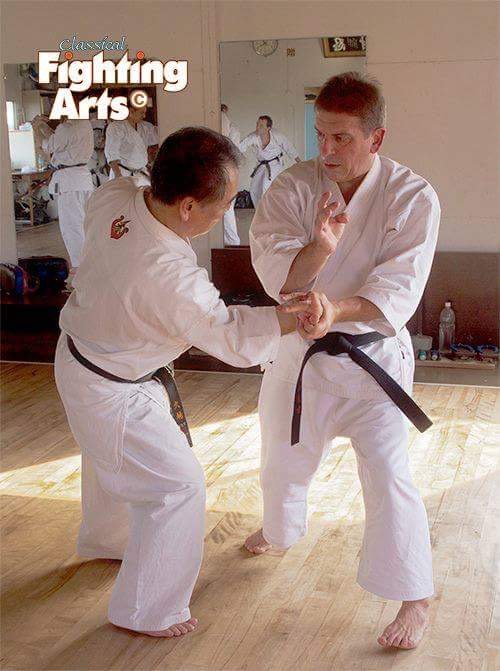
Teen years can feel like being pulled in ten directions at once. School gets harder, social pressure gets louder, and confidence can rise or fall on a single bad day. A good guide to karate training for teens should start there - not with flashy kicks, but with what young people actually need: structure, challenge, belonging, and a clear way to grow.
Karate can meet that need when it is taught with purpose. For teens, training is not just about learning to punch, kick, or block. It is about learning how to stand with composure, listen with humility, push through discomfort, and carry responsibility well. In a traditional dojo, progress is earned step by step, and that process matters as much as any technique.
Why karate training matters during the teen years
Adolescence is a season of rapid change. Bodies grow quickly, emotions can be intense, and identity is still taking shape. That is one reason karate fits this age group so well. It gives teens a stable framework when other parts of life may feel uncertain.
The physical benefits are easy to recognize. Karate improves coordination, balance, flexibility, stamina, and body awareness. But parents often notice the deeper changes first. Teens who train consistently tend to become more attentive, more respectful, and more comfortable with effort. They learn that discipline is not punishment. It is a path toward self-control.
That said, not every karate program serves teens in the same way. Some students thrive in a highly competitive environment, while others need a setting that emphasizes personal development over trophies. Neither approach is automatically wrong. It depends on the student’s temperament, goals, and readiness. For many families, traditional training offers a healthy middle ground - challenging, demanding, and deeply supportive.
What a strong guide to karate training for teens should include
A teen program should do more than keep students busy after school. It should build the whole person. That begins with clear expectations. Teens respond well when instructors are consistent, respectful, and unwilling to lower the standard just because something is hard.
A strong program teaches fundamentals with patience and precision. Stances, strikes, blocks, movement, breathing, and posture may not look exciting at first, but they build the base for everything else. When teens skip fundamentals, they often become frustrated later. When they learn them well, confidence grows because their progress is real.
Training should also include physical conditioning that matches the student’s stage of development. Teens need to be challenged, but smart instruction matters. Good karate training builds strength, endurance, and mobility without treating every student like an adult athlete. Some teens come in already active from sports. Others are starting from scratch. A wise instructor can meet both where they are.
Just as important is character education. Respect, perseverance, self-control, and humility should not be side notes. They should be part of the culture of the dojo. When a teen bows in, pays attention, corrects mistakes, and keeps going after a difficult class, character is being trained along with skill.
The role of tradition in teen development
Traditional karate offers something many teens are missing - a meaningful standard outside of trends, peer approval, and constant digital distraction. Rituals such as bowing, lining up properly, and responding with attention are not empty formalities. They teach awareness and respect.
For some families, this is the difference between a class that entertains and a training path that shapes a young person. Authentic Okinawan karate, taught with integrity, connects students to a lineage bigger than themselves. That can be grounding for a teen who is still figuring out who they want to become.
What teens actually learn in class
Parents sometimes ask what happens beyond basic self-defense. The answer is quite a lot. In a well-run class, teens learn how to move with control, generate power correctly, and stay calm under instruction. They practice combinations, partner drills, kata, conditioning, and application work in a structured environment.
Kata is especially valuable for teens. It develops memory, concentration, timing, and precision. Some students love the athletic side of karate first, while others connect more deeply through the discipline of repetition. Both paths can lead to growth. What matters is consistent practice.
Partner work adds another dimension. Teens learn distance, timing, trust, and restraint. They discover that martial arts is not about losing control. It is about gaining control. A student who can move with power while staying respectful is developing maturity.
How often teens should train
More is not always better, especially at the beginning. Two to three classes a week is often a strong starting point for teens. That schedule gives them enough repetition to improve without overwhelming school, family life, or other responsibilities.
As commitment grows, some students benefit from adding extra practice. The key is consistency. A teen who trains steadily over time will usually outperform one who trains intensely for a month and then disappears. Karate rewards patience. That lesson alone can change how a young person approaches life.
How parents can support the journey
Parents do not need martial arts experience to help their teen succeed. They simply need to value the process. Encourage your child to show up on time, wear the uniform correctly, and stay committed even when motivation dips. Progress in karate is rarely dramatic week to week. It becomes obvious over months and years.
It also helps to avoid making every class about belt promotion or performance. Those milestones matter, but they are not the whole purpose. If a teen starts chasing only the next rank, they may miss the deeper reward of training. Praise effort, attitude, consistency, and growth in character as much as visible skill.
Parents should also pay attention to fit. A teen may need firm instruction, but they also need to feel seen and guided. The best dojo culture is structured without being harsh. It challenges students while reminding them that they belong. That balance helps teens stay engaged, especially during difficult seasons.
Choosing the right dojo for teen karate training
If you are evaluating programs, watch how instructors interact with students. Do they command respect without humiliating anyone? Do they correct with clarity? Do teens seem focused and encouraged? Those details reveal a great deal.
Ask whether the program is rooted in a clear tradition and whether character development is treated as central, not optional. A teen class should feel purposeful from beginning to end. There should be discipline, but also warmth. Students should be expected to work hard, yet still know they are part of something that wants the best for them.
For families in North Georgia, this matters because extracurricular choices shape more than schedules. They shape habits, peer influences, and identity. A school such as Ten Chi Jin Dojo stands out when it treats karate as a way to build better people, not just busier students.
Common challenges teens face in karate
Almost every teen hits a point where training feels hard in a new way. Some struggle with comparison. Others get frustrated when progress slows. Some become self-conscious about making mistakes in front of peers. These moments are normal.
Karate helps teens face those challenges directly. They learn that being corrected is not failure. Repeating a technique a hundred times is not a sign they are behind. It is how skill is built. That mindset can carry into school, relationships, and future work.
There are also practical challenges. Busy schedules, homework, sports, and fatigue can all compete with training. Sometimes a teen needs help protecting their commitment. Not by forcing every class at all costs, but by teaching them to honor what they started. That kind of follow-through becomes part of who they are.
When karate is a good fit - and when it depends
Karate is an excellent fit for many teens, especially those who need confidence, structure, physical activity, or stronger self-discipline. It can also be a healthy path for students who do not connect with team sports but still want challenge and community.
At the same time, every student is different. Some teens need time to warm up before they fully engage. Some need extra encouragement. Others are ready for high accountability from day one. Good instruction recognizes those differences without lowering expectations. The goal is not to make training easy. The goal is to make growth possible.
A teen who begins karate today may not become confident overnight. They may still have awkward days, hard classes, and moments of doubt. But if they keep showing up, keep listening, and keep practicing, something steady begins to form. Posture improves. Focus sharpens. Character deepens.
That is the real value of karate for teens. It gives young people a place to be challenged, guided, and strengthened in ways that last well beyond the dojo. Choose a training path that calls them higher, and give that growth time to take root.

Comments