

7 Best Extracurriculars for Self Discipline
Parents usually notice the same pattern first. A child has talent, energy, and good intentions, but struggles to follow through when something gets hard. A teen wants more confidence but avoids structure. An adult feels scattered and knows that motivation alone is not enough. That is why the search for the best extracurriculars for self discipline matters so much. The right activity does more than fill an afternoon. It teaches a person how to keep going, stay respectful, and grow stronger under guidance.
Self-discipline is not the same as being naturally obedient or quiet. It is the ability to do what needs to be done, even when comfort pulls in another direction. Good extracurriculars build that ability over time through repetition, accountability, and meaningful challenge. The best ones also help students connect discipline to purpose, not just rules.
What makes the best extracurriculars for self discipline?
Not every structured activity builds discipline in the same way. Some are excellent for social development but offer little personal accountability. Others create pressure without teaching maturity. If your goal is real self-discipline, look for an environment with clear expectations, consistent practice, measurable progress, and respectful leadership.
That combination matters because discipline grows through habits. A student learns to arrive prepared, listen carefully, practice specific skills, accept correction, and try again. Activities that skip those steps may still be enjoyable, but they often build excitement more than character.
It also helps to choose something that gives steady feedback. A child or adult needs to see the connection between effort and improvement. When that relationship is clear, discipline starts to feel rewarding instead of restrictive.
1. Traditional martial arts
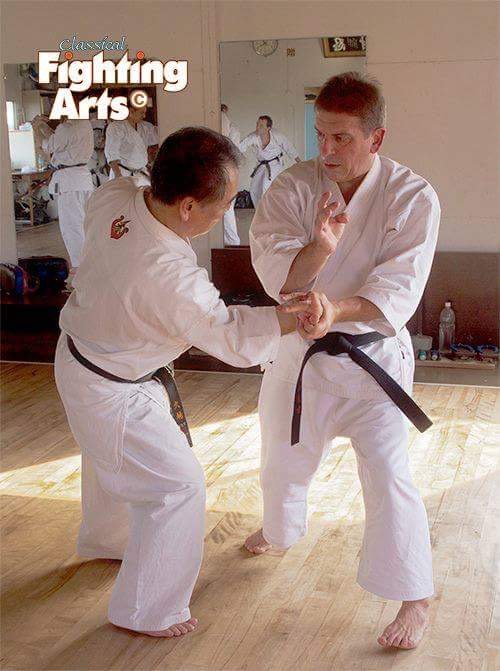
If the goal is self-discipline in the fullest sense - physical, mental, and emotional - traditional martial arts belongs near the top of the list. A well-run dojo teaches students how to stand with attention, control their bodies, listen with humility, and practice with intention. Progress is earned, not handed out, and that process shapes character.
What makes martial arts especially effective is that discipline is built into every part of training. Students bow, line up, follow instruction, repeat basics, and learn that small details matter. They also face natural resistance. Some techniques are difficult. Some days they feel tired. Improvement takes time. That is exactly where discipline is formed.
For children, this structure often improves focus and self-control outside class as well. For teens, it can provide a healthy place to channel emotion and build confidence without arrogance. For adults, it offers a path back to consistency, resilience, and personal responsibility.
That said, not all martial arts programs are equal. A school centered only on entertainment or rapid rewards may keep students busy without asking much of them. Traditional instruction, rooted in respect and steady standards, usually does a better job of forming lasting habits.
2. Music lessons and ensemble performance
Learning an instrument is one of the clearest examples of delayed gratification. Progress is slow enough to be humbling and visible enough to be motivating. A student must practice scales, correct mistakes, and repeat passages long before a polished performance appears.
That process develops patience and attention to detail. It also teaches students how to receive correction without taking it personally. In ensemble settings like band or orchestra, discipline becomes social as well. Each person must prepare, count, listen, and contribute to the whole group.
Music is especially strong for students who respond well to quiet concentration. It may be less effective for children who need more physical movement to stay engaged. In those cases, discipline can still grow, but the fit matters.
3. Competitive swimming
Swimming has a reputation for producing disciplined athletes for a reason. Practice starts early, effort is measurable, and excuses are difficult to hide in the water. Improvement comes from repetition, conditioning, and technical refinement over a long period of time.
This can be powerful for students who need to learn consistency. Showing up matters. Following the workout matters. Managing discomfort matters. The structure is simple, but the lesson runs deep.
The trade-off is that swimming can feel repetitive, especially for someone who needs more interpersonal interaction or creative variety. Some students thrive in that rhythm. Others burn out. Discipline grows best when challenge is paired with enough meaning to sustain effort.
4. Dance
Dance combines physical control, timing, memory, and presentation. Students learn posture, body awareness, and the discipline of practicing until movements become precise. They also learn how to perform under pressure while staying composed.
One of dance’s strengths is that it teaches discipline through refinement. Small corrections matter. Timing matters. Commitment matters. Students cannot move halfway and expect strong results.
For many children and teens, dance also develops confidence through repetition and public performance. The caution is that the culture of a program makes a big difference. A healthy studio can build poise and resilience. An unhealthy one can create comparison without character. Parents should pay attention to the leadership, not just the schedule.
5. Team sports with strong coaching
Sports like soccer, basketball, baseball, and volleyball can absolutely build self-discipline, but the coaching culture matters more than the sport itself. In a strong program, athletes learn punctuality, role acceptance, steady practice, and how to put the team ahead of personal comfort.
Team sports also teach an important version of discipline: doing your job even when you are not the center of attention. That lesson serves people for life. It builds maturity, humility, and reliability.
Still, team sports are not always the best fit for every student seeking discipline. Some athletes can hide in the group. A naturally talented player may rely on ability instead of effort for too long. If self-discipline is the main goal, look for coaches who emphasize accountability, not just winning.
6. Theater and performing arts
At first glance, theater may not seem like one of the best extracurriculars for self discipline, but in the right setting, it can be remarkably effective. Students must memorize lines, manage cues, rehearse consistently, and show up prepared for the good of the cast.
Theater asks students to be responsible in public. They learn that if they neglect preparation, it affects everyone. That creates a healthy kind of pressure that often helps shy or inconsistent students mature.
This path is particularly valuable for students who need discipline tied to expression and confidence. It may not offer the same physical conditioning as martial arts or swimming, but it can build commitment, emotional control, and follow-through.
7. Academic clubs with real standards
Debate, robotics, chess, and similar clubs can build discipline when they are organized around preparation rather than casual participation. Students learn how to study, think strategically, manage setbacks, and improve through practice.
These activities are useful for children and teens who are intellectually driven and want challenge beyond the classroom. They can also help students who resist physical activities but still need structure.
The key phrase is real standards. A club that meets occasionally without expectations may be enjoyable, but it will not shape habits very deeply. Discipline requires commitment.
How to choose the right fit for your child or yourself
The best choice depends on what kind of discipline needs to be developed. If someone needs better self-control, respect, and consistency, traditional martial arts often provides the most complete framework. If the main challenge is patience and steady solo practice, music may be ideal. If endurance and work ethic are the priority, swimming can be excellent.
Age matters too. Younger children often grow best in environments where discipline is visible, simple, and reinforced every class. Teens usually need both accountability and ownership. Adults need an activity that respects their responsibilities while still challenging them to change habits.
It is also wise to watch for signs of the right culture. Does the instructor correct with clarity and respect? Are expectations steady? Do students seem engaged, not just entertained? The best extracurriculars for self discipline are not necessarily the loudest or most popular. They are the ones that teach people how to govern themselves when no one is watching.
At Ten Chi Jin Dojo, that belief shapes everything we value about training. Discipline is not punishment. It is a way of building better people - one class, one correction, and one honest effort at a time.
A strong extracurricular should leave a person better than it found them. Not just busier. Not just tired. Better. If you choose an activity that teaches patience, responsibility, and steady effort, the results will reach far beyond the practice floor or after-school schedule.

Comments