

Does Karate Help Discipline? Yes - Here’s How
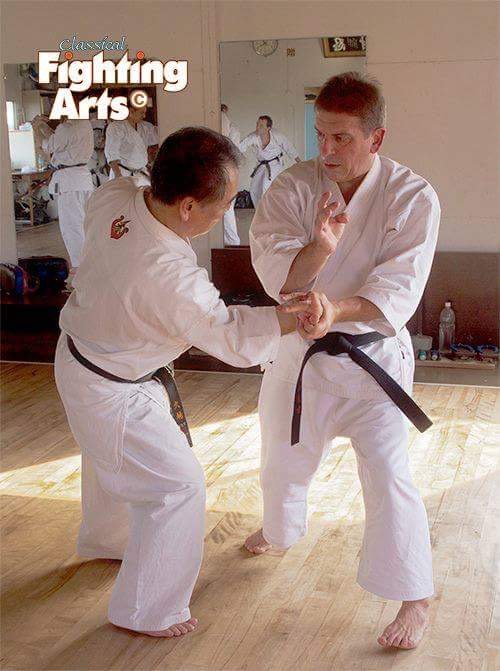
A child bows at the edge of the mat, waits for instruction, and holds still even when energy is spilling out in every direction. That moment answers the question many parents ask: does karate help discipline? Yes, it can - but not by demanding perfection. It helps discipline by teaching students how to listen, follow through, manage frustration, and keep showing up with respect.
Real discipline is not about being harsh. It is about learning self-control when something is hard, boring, frustrating, or uncomfortable. In a good karate program, students practice that every class. They stand with attention, respond to direction, repeat technique with care, and learn that effort matters even before mastery arrives.
Why does karate help discipline in a real, lasting way?
Karate works because discipline is built through repeated action, not speeches. A student may hear that focus matters, but hearing it once rarely changes behavior. Training gives that lesson a physical form. You line up properly. You wait your turn. You control your body. You treat training partners with respect. Then you do it again next class.
Over time, those habits stop being something a student performs only in the dojo. They start becoming part of how that student handles school, chores, friendships, and setbacks. That is one reason traditional karate has such a strong reputation for character development. The structure is not there for appearance alone. It creates a framework where self-discipline can actually grow.
This matters for adults too. Many adults come to karate for fitness or stress relief and find something deeper. They learn to stay calm under pressure, commit to consistent practice, and push past the urge to quit when progress feels slow. Discipline in adulthood often looks less like obedience and more like steady responsibility. Karate supports that form of growth as well.
Discipline in karate is taught through structure
A strong karate class does not feel chaotic. It has rhythm, expectations, and order. Students know when to bow, where to stand, how to address instructors, and what it means to give their full attention. That structure gives children and teens something many of them need more of, not less of.
For some families, that is a major reason karate feels different from other activities. There is a beginning, a middle, and an end to class. There are clear standards. Students are corrected when needed, but in a way that is meant to build them, not shame them. They learn that boundaries are not punishment. Boundaries help them grow.
This kind of environment is especially helpful for students who are bright and energetic but struggle with impulse control. Karate gives them a place to practice channeling that energy instead of just being told to suppress it. That distinction matters. Discipline grows faster when students feel guided, not crushed.
Repetition teaches follow-through
Karate includes a lot of repetition, and that is not a flaw in the process. It is one of the reasons the process works. A punch practiced once is just a movement. A punch practiced carefully over time becomes a lesson in patience, effort, and attention to detail.
Repetition teaches students that improvement is earned. They do not get rewarded simply for wanting a new belt, a stronger kick, or better balance. They learn to keep working until their actions match the standard. That is a powerful lesson for children who are used to quick entertainment and instant feedback.
Adults benefit from this too. Repetition slows the mind down. It asks for presence. It teaches that meaningful progress usually looks ordinary before it looks impressive.
Respect and self-control go together
When people hear the word discipline, they sometimes think only of strictness. In karate, discipline is closely tied to respect. Students learn to respect instructors, training partners, and the space where they practice. Just as important, they begin to respect their own potential and their own responsibility.
That changes behavior. A student who learns respect in a meaningful way is less likely to interrupt, act carelessly, or give up the moment something feels difficult. Respect creates a reason to control impulses. It teaches students that their choices affect other people.
This is one of the biggest differences between true martial arts training and simple activity-based exercise. Karate is not just movement. It is guided formation of habits, attitudes, and responses.
Does karate help discipline at home and school?
It can, but transfer is not automatic. That is an important truth. A student may behave well in class and still need reminders at home. Growth often happens in stages.
What karate does provide is a consistent training ground. Students repeatedly practice listening, posture, effort, courtesy, and emotional control. When parents and instructors reinforce the same values, those habits are much more likely to carry into homework, chores, and classroom behavior.
This is why the best results often come when families see karate as part of a larger character-building process. The dojo can teach standards and accountability. Home can reinforce them. Together, those influences are strong.
What kind of karate helps discipline most?
Not every program approaches discipline the same way. If the goal is character development, the teaching culture matters as much as the techniques. A class can be energetic and encouraging while still holding students to a high standard. In fact, that balance is usually where the best growth happens.
A traditional karate environment often helps because it values etiquette, consistency, and responsibility as part of training, not as side topics. Students are expected to develop as people, not just perform moves. That deeper purpose gives discipline roots.
At Ten Chi Jin Dojo, that traditional approach is central to the journey. Students are trained with structure and care, in a family-centered environment that treats martial arts as a path to becoming stronger in character as well as stronger in body. For many families, that is exactly what they are looking for.
Why some students respond especially well to karate
Karate tends to help students who need clear expectations. Some children do not respond well to constant negotiation. They feel more secure when adults are calm, consistent, and firm. Karate provides that without removing warmth.
It also helps students who need to build confidence. Discipline is easier when a student starts believing, "I can do hard things." Karate creates small wins over time. A student learns a kata, improves stance, earns a rank, or stays focused for a full class when that used to be difficult. Those moments matter.
For teens, karate can become a rare place where discipline is framed positively. It is not just about avoiding mistakes. It is about becoming trustworthy, capable, and mentally strong. That message can land deeply during the teenage years.
Adults often respond to karate for a different reason. Life gets noisy. Training offers a place to reset, commit, and sharpen the mind. The discipline developed there often shows up in better routines, better stress management, and more follow-through outside class.
The trade-off parents should understand
Karate helps discipline, but it is not magic. A child will not become focused, respectful, and self-controlled overnight simply by attending a few classes. Growth takes time, and some seasons are slower than others.
There may be resistance at first. A student may struggle with correction or feel frustrated by repetition. That does not mean karate is failing. It often means the training is touching exactly the area where growth is needed. Good instruction helps students move through that process with support and accountability.
Parents should also know that discipline built the right way is internal. It is not just a child acting right because someone is watching. The goal is for the student to begin making better choices because those choices become part of who they are.
So, does karate help discipline?
Yes - when it is taught with structure, purpose, and genuine care, karate can be one of the clearest paths to discipline a child, teen, or adult can follow. It teaches students to control their bodies, steady their minds, respect others, and keep working when progress is slow.
That kind of discipline does more than improve behavior in class. It helps shape how a person responds to challenge, responsibility, and everyday life. If you are looking for an activity that builds more than physical skill, karate offers something lasting: the chance to choose growth, one practice at a time.

Comments