

How Dojo Routines Build Respect
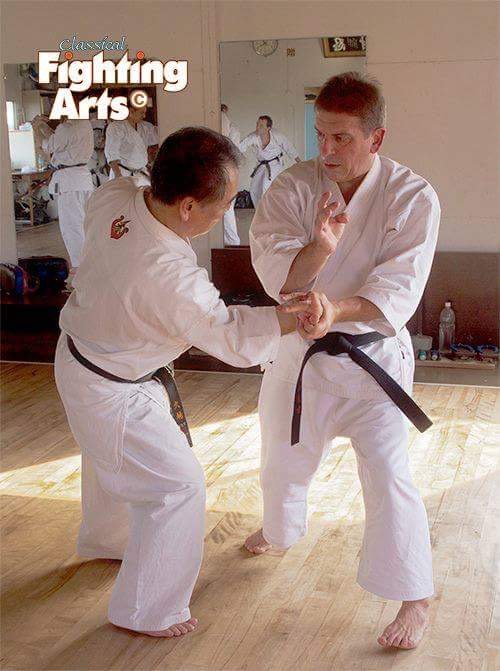
A student steps onto the mat, straightens their uniform, bows, and waits for instruction. To an outsider, those moments may look small. In a traditional karate dojo, they are anything but small. They are the beginning of learning how dojo routines build respect, not as a slogan, but as a habit that takes root through daily action.
Respect is often talked about as if it were simply good manners. In martial arts, respect goes deeper. It is a way of carrying yourself, listening well, honoring effort, and understanding that growth happens when ego becomes smaller than purpose. That is why routines matter so much. They give students a clear way to practice discipline even before a punch or block begins.
Why dojo routines matter more than they seem
Children, teens, and adults all benefit from structure, but they respond to it differently. A child may need routines to feel safe and steady. A teenager may need them to understand boundaries and accountability. An adult may need them to slow down, focus, and train with intention. The outward routine can be the same, yet the inner lesson changes with the student.
This is one reason traditional karate remains so powerful. It does not rely on constant entertainment to hold attention. It asks students to show up, pay attention, and repeat worthwhile actions until those actions begin to shape character. The routine is not there to make class feel strict for the sake of being strict. It is there to teach that respect is something you practice, especially on the days when it does not come naturally.
How dojo routines build respect in real life
Respect in the dojo starts with visible actions, but it should never stop there. Bowing, standing in line, responding promptly, and waiting your turn are not empty traditions when they are taught well. They train students to recognize that they are part of something bigger than themselves.
Entering class with intention
The routine often begins before class officially starts. Students arrive, prepare themselves, and shift mentally from the distractions of the day into a learning mindset. That transition matters. It teaches that the training space deserves attention and care.
For younger students, this can be the first step toward self-control. Instead of rushing in with scattered energy, they learn to pause and reset. For adults, it can be a rare moment of deliberate focus. In both cases, the message is the same: respect begins with how you enter the room.
Listening before acting
In a healthy dojo, students learn that listening is not passive. It is active discipline. When an instructor gives direction, students are expected to give their attention fully, follow the sequence, and make corrections without argument or distraction.
This kind of listening builds respect in two directions. Students learn to respect the teacher's experience, and they also learn to respect the learning process itself. They begin to see that progress comes faster when they are teachable. That lesson carries into school, work, and family life, where listening well is often the difference between conflict and growth.
Repetition teaches patience
Many people want confidence, but fewer people want repetition. Yet repetition is where humility grows. A student may practice the same stance, strike, or kata section many times before it feels natural. That can be frustrating, especially for someone who wants quick results.
This is where routine does important character work. It teaches students to stay with the process. They learn respect for the details, respect for the time improvement takes, and respect for others who are on the same path. Over time, that patience changes how they respond to challenge. Instead of resisting correction, they start to welcome it.
Order creates consideration for others
Standing in rank, taking turns, and moving together in class are practical routines, but they also teach social awareness. Students learn that their actions affect the group. If one person is careless, distracted, or disruptive, everyone feels it.
That awareness can be especially valuable for children. They begin to understand that respect is not only about how they speak to authority. It is also about how they treat peers. Giving others room to learn, holding equipment properly, partnering safely, and staying attentive are all forms of respect.
Respect is not fear
Some people misunderstand traditional structure and assume respect is built through intimidation. That is not the goal of a well-led dojo. Fear may produce short-term compliance, but it does not produce strong character. Real respect grows when expectations are clear, consistent, and meaningful.
Students should feel challenged, not diminished. They should know that correction is part of growth, not a sign of rejection. This distinction matters for families choosing martial arts training. A good dojo does not break students down to gain control. It builds them up through disciplined guidance, helping them become more responsible, more confident, and more aware of how they carry themselves.
The role of the instructor
An instructor sets the tone for whether routines become transformational or mechanical. If routines are enforced without explanation or care, students may follow them outwardly while missing their deeper purpose. But when a teacher models calm authority, consistency, and compassion, the routine starts to make sense.
Students notice more than adults sometimes realize. They notice whether correction is fair. They notice whether respect flows only upward or in every direction. In a strong dojo culture, instructors expect respectful behavior and demonstrate it themselves. That example teaches as much as the curriculum.
Why this matters for children and families
Parents are often looking for more than an after-school activity. They want an environment that helps children grow into steady, capable people. This is where traditional dojo routines can be especially valuable. They create a framework where respect is reinforced every class, every week, over time.
A child who learns to bow before stepping onto the floor is learning more than ceremony. That child is learning to mark the difference between play and practice. A child who answers clearly, waits attentively, and completes a drill with care is learning responsibility. These habits may seem simple, but simple habits repeated over time shape identity.
For teens, routines can offer something equally important: stability. Adolescence often brings emotional swings, social pressure, and a strong desire for independence. A dojo gives teens a place where expectations are steady and progress is earned. Respect becomes less about being told what to do and more about choosing how to conduct themselves.
Adults benefit too. Many adults come to karate because they want fitness, flexibility, or stress relief. They stay because the training asks something deeper of them. The routines invite adults to train with humility, to let go of distraction, and to sharpen their focus. Respect becomes a daily practice of presence and discipline.
The balance between tradition and meaning
Not every routine will connect with every student right away. Some children need time before the structure feels natural. Some adults may initially wonder why formality matters so much. That is normal. Respect that is forced too quickly can stay superficial.
This is why explanation matters alongside discipline. When students understand why they line up a certain way, why they bow, and why class follows a clear order, they are more likely to embrace the routine rather than just endure it. Tradition has lasting value, but it should be taught with purpose, not treated as decoration.
In a family-centered dojo such as Ten Chi Jin Dojo, that balance matters. The goal is not to preserve ritual for appearance. The goal is to use time-tested practices to help students become more grounded, respectful, and capable in everyday life.
How respect leaves the dojo
The clearest sign that routines are working is not what happens during class. It is what begins to happen outside of it. A child starts listening more carefully at home. A teen handles frustration without immediate anger. An adult becomes more patient under pressure. These changes rarely happen overnight, but they are often built in the quiet repetition of dojo life.
That is the hidden strength of routine. It turns values into actions and actions into habits. Over time, students begin to carry themselves differently. They become more aware of their words, their posture, their effort, and their responsibility to others.
Respect, then, is not a performance. It is a practice. And the dojo gives students a place to practice it with consistency, guidance, and purpose.
When a school takes that responsibility seriously, every bow, every line-up, and every correction becomes part of building better people. That is worth far more than a good class. It is the kind of training that stays with a person long after they leave the mat.

Comments