
How to Build the Best Beginner Mindset for Karate
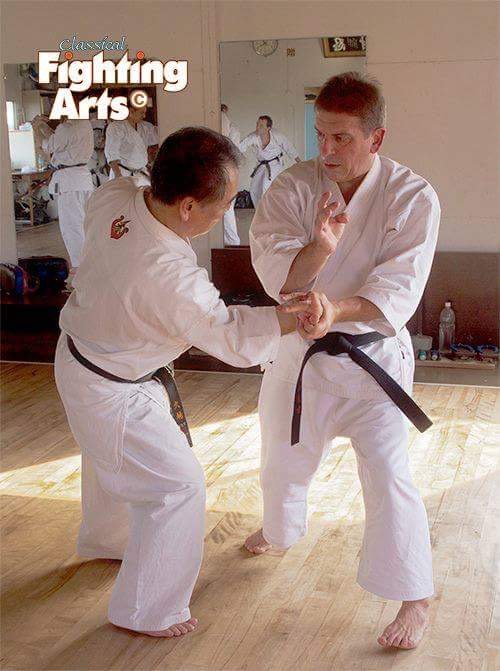
The first time a student steps onto the dojo floor, the belt may feel unfamiliar, the Japanese terms may sound fast, and everyone else may seem more confident. That moment is exactly where the best beginner mindset for karate begins: not with proving yourself, but with choosing to learn. A beginner does not need to arrive strong, flexible, or fearless. They need to arrive willing.
Karate is a path of steady development. At Ten Chi Jin Dojo, students are invited to take control of their journey through disciplined practice, respect for others, and an honest effort to improve one class at a time. Whether you are a parent watching your child begin, a teen looking for direction, or an adult returning to personal goals, the right mindset turns those first uncertain steps into meaningful progress.
The Best Beginner Mindset for Karate Starts With Humility
Humility is not thinking less of yourself. It is being honest enough to recognize that there is something worth learning. In karate, this means accepting correction without embarrassment, asking questions when you are unsure, and understanding that every experienced student once had to learn how to stand, bow, and make a fist.
A new student may be tempted to compare their kick with someone who has trained for years. That comparison does not help. The more useful question is simple: Did I give my best attention and effort today? Karate rewards students who keep showing up with an open mind far more than students who want to look advanced before they have built the foundation.
For parents, this is an especially valuable lesson to reinforce at home. Praise your child for listening, trying again, and staying respectful when a movement is difficult. Those habits matter beyond the dojo. They teach children that growth comes from effort, not instant perfection.
Listen Before You Try to Lead
Traditional karate has structure for a reason. Students learn how to enter the training space, how to bow, where to stand, when to speak, and how to work safely with training partners. These practices are not empty rules. They create an environment where every person can learn with focus and mutual respect.
The beginner who listens closely often progresses faster than the beginner who rushes ahead. Pay attention to stance width, hand position, breathing, and timing. Small details can feel repetitive at first, but they are the building blocks of balance, power, control, and confidence.
Listening also means receiving feedback calmly. An instructor correcting a student is investing in that student. A correction is not a sign of failure. It is guidance toward a stronger technique and a more disciplined character. Instead of becoming discouraged, beginners can learn to respond with a respectful nod, a focused repetition, and a willingness to improve.
Parents Can Model a Learning Attitude
Children often follow the emotional example set by the adults around them. When a child has a frustrating class, avoid treating that frustration as proof that karate is not for them. Encourage them to return, practice what they remember, and give themselves time.
At the same time, do not pressure a child to be perfect. The goal is not to create anxiety around achievement. The goal is to help them build resilience. A child who learns to work through a difficult stance or a forgotten sequence is learning how to meet challenges in school, at home, and in future responsibilities.
Trade Quick Results for Consistent Practice
Many people begin karate because they want confidence, fitness, focus, or practical self-defense skills. Those are worthwhile goals. But karate develops them through repetition, not shortcuts.
A single class can be encouraging, but it cannot replace regular training. Muscles need time to adapt. Coordination needs repetition. Confidence needs real evidence that you can stay committed even when progress feels slow. The student who practices basic movements carefully over several months will usually develop more lasting skill than the student who only chases the next belt or the most dramatic technique.
This does not mean every student must progress at the same speed. A young child may need extra time to develop attention and body awareness. A busy adult may need to balance training with family and work. An athlete from another sport may learn physical movements quickly but still need time to absorb karate etiquette and control. The right pace depends on the person, but consistency benefits everyone.
A helpful beginner goal is to focus on attendance, attention, and effort. Show up as regularly as your schedule allows. Stay mentally present during class. Give an honest effort, even when the movements are new. These simple choices create momentum.
Be Comfortable Being a Beginner
There is courage in not knowing yet. Karate asks students to make unfamiliar movements in front of others, speak new words, coordinate their bodies, and sometimes make mistakes in plain view. That can feel uncomfortable, especially for teens and adults who are used to staying within areas where they already feel capable.
Instead of avoiding that discomfort, let it become part of your training. Feeling challenged is often evidence that you are developing. A missed step in a kata, a stance that tires your legs, or a technique that needs several attempts is not a reason to quit. It is a clear place to practice.
For children, karate can provide a healthy place to make mistakes and recover. They learn that a wrong answer is not the end of the lesson. They can reset their focus, listen again, and try with better control. That experience helps build self-confidence that is grounded in perseverance rather than praise alone.
Confidence Is Earned Quietly
Real confidence in karate is not loud. It grows when students recognize that they can do hard things with patience and discipline. It appears when a shy child speaks clearly during class, when a teen stays composed under pressure, or when an adult completes a workout they once thought was beyond them.
Beginners should not wait to feel confident before they participate. Participation is how confidence is built. Take your place in line. Practice the movement. Ask for help. Return for the next class. Each small act of commitment becomes evidence that you are capable of more.
Respect Is a Skill You Practice
Respect is often one of the first values families notice in a traditional karate setting. Students bow, address instructors properly, wait their turn, and train with awareness of others. Yet respect is more than formality. It is the decision to treat people, instruction, and your own potential with care.
Respect for training partners means controlling your movements and following safety instructions. It means understanding that the purpose of practice is not to overpower someone else, but to improve together. Respect for instructors means giving full attention and applying correction. Respect for yourself means arriving prepared, maintaining good effort, and refusing to let one difficult day define your progress.
This value becomes especially meaningful in a family-centered dojo. Younger students see examples from older students. Teens learn that leadership includes patience. Adults have an opportunity to train with purpose while encouraging the next generation. The dojo becomes a community where everyone has a role in building better people.
Set Goals That Reach Beyond a Belt
Belts can be meaningful markers of progress. They recognize time, effort, technical development, and growing responsibility. Still, a beginner should avoid making a belt the only reason to train. If advancement is the only goal, students can become frustrated when a skill takes longer than expected.
Set a few goals that you can practice every week. A child might work on standing still during instruction, remembering to bow without reminders, or using a strong voice. A teen may focus on consistency, emotional control, or helping a newer student. An adult might aim to improve mobility, manage stress, or rebuild physical confidence.
These goals connect karate training to everyday life. They remind students that the discipline developed on the dojo floor belongs to them everywhere: at school, at work, in relationships, and during difficult moments.
Choose the Long View
The best beginner mindset for karate is patient, respectful, and ready to work. It does not demand immediate results. It understands that every class is a chance to strengthen the body, sharpen the mind, and develop the character to face obstacles with greater control.
Start where you are. Let yourself learn. Keep returning to the basics with attention and purpose. Over time, the unfamiliar belt, movements, and routines will become part of a journey that reaches far beyond karate class.

Comments