

A Guide to Traditional Dojo Etiquette
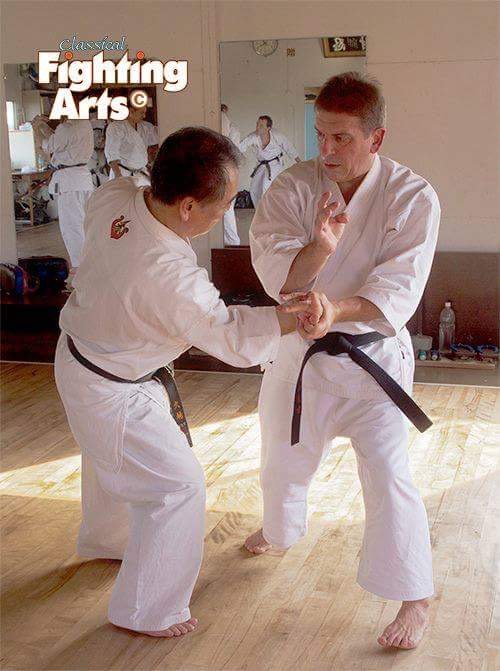
The first few minutes in a dojo tell you a lot. Before anyone throws a punch or practices a stance, you notice the bow at the door, the quiet attention, the way students line up, and how instructors are greeted. That atmosphere is not decoration. A guide to traditional dojo etiquette helps families and students understand that these customs are part of the training itself.
In a traditional karate school, etiquette is not about making the environment stiff or intimidating. It is about building respect, awareness, humility, and self-control. Those qualities matter for children learning confidence, for teens learning discipline, and for adults choosing a more meaningful path than a casual workout. Good etiquette teaches students how to carry themselves with purpose, even before technique becomes strong.
Why traditional dojo etiquette matters
Many people new to martial arts assume etiquette is mainly ceremonial. In reality, it has practical value. A respectful dojo runs more safely, students listen more carefully, and everyone understands that training is shared work, not individual performance. When students learn to stand attentively, follow directions promptly, and treat partners with care, the entire class improves.
Etiquette also shapes character in ways that reach beyond class. A child who learns not to interrupt instruction, to take correction calmly, and to show respect to training partners is practicing life skills, not just karate skills. An adult who enters class ready to listen and work with humility is building discipline that can strengthen other areas of life too.
There is also a deeper layer. Traditional karate comes from a lineage, not a trend. Etiquette honors the art, the teachers who passed it down, and the responsibility of learning it properly. That does not mean every dojo handles every custom in exactly the same way. It does mean students should approach the dojo with a willingness to learn the culture, not just the physical techniques.
A guide to traditional dojo etiquette for new students
If you are new, the good news is simple: no one expects perfection on day one. Instructors understand that students and parents are learning the culture along with the curriculum. What matters most is a respectful attitude and a willingness to improve.
When entering the dojo, many schools teach students to bow. This small gesture acknowledges that they are stepping into a place of learning. It helps create a mental shift. Outside distractions stay outside. Inside the dojo, attention and effort come first.
Students are also usually expected to arrive on time, dressed properly, and ready to train. That readiness is a form of respect. It shows consideration for the class, the instructor, and the students already on the floor. Arriving late once in a while may happen, especially for busy families, but making punctuality a habit helps students develop responsibility.
The way students stand and respond during instruction also matters. A traditional dojo often asks students to line up neatly, remain attentive, and answer clearly when acknowledged. This is not about blind obedience. It is about learning focus, composure, and how to receive correction without defensiveness.
Respect is shown in small actions
Some of the most important etiquette is quiet and easy to miss if you are only looking for formal rituals. Students should avoid talking over instruction, wandering during drills, or treating the training floor casually. A dojo is not a playground, even when classes are encouraging and family-friendly.
Training partners deserve respect as well. That means listening during partner work, controlling techniques, and helping one another improve instead of trying to dominate the drill. In traditional karate, a strong student is not the one who uses the most force. A strong student is the one who shows control.
For children, this lesson is especially valuable. Respecting partners teaches empathy and accountability. For teens and adults, it reinforces maturity. Everyone in the room is there to grow, and that growth depends on trust.
Uniform care is another part of etiquette. A clean gi, tidy appearance, and correct belt show that a student takes training seriously. This is not about perfection or expense. It is about presenting yourself with discipline. Even young students can learn that how they prepare for class reflects how they value the opportunity to train.
How parents can support dojo etiquette
Parents play an important role, especially when children are just beginning. The best support is usually simple and steady. Help your child arrive on time, make sure their uniform is ready, and reinforce that listening to the instructor is part of their responsibility.
It also helps when parents view etiquette as part of the benefit, not just part of the rules. A structured dojo may feel different from a casual activity, but that structure is often why families choose traditional martial arts in the first place. The bowing, attentive posture, and respectful responses are teaching habits that can strengthen confidence and self-control over time.
If a parent is unsure about a custom, it is fine to ask. In fact, asking respectfully is part of good dojo culture. Every traditional school has its own expectations, and learning them shows maturity. At Ten Chi Jin Dojo, that kind of learning is part of building better people, not just better students.
Common etiquette expectations in a traditional dojo
Some customs vary by school and lineage, but a few expectations are common in many traditional settings. Students usually bow when entering or leaving the training floor. They listen without interrupting. They address instructors respectfully. They wait for guidance instead of assuming they can do things their own way.
During class, students are expected to give full effort. That does not mean everyone moves at the same pace. A younger child, a beginner, and an experienced adult will all show effort differently. Good etiquette is not about pretending to be advanced. It is about being sincere, coachable, and present.
There can also be moments that feel unfamiliar to new families, such as formal lining up, kneeling at the beginning or end of class, or reciting dojo principles if that is part of the school’s tradition. These practices are not there to impress anyone. They reinforce unity, gratitude, and the mindset needed for serious training.
What dojo etiquette is not
It helps to clear up a few misunderstandings. Traditional etiquette is not meant to shame beginners. A healthy dojo corrects students firmly but constructively. The goal is growth, not embarrassment.
It is also not about creating distance between instructors and students. In a strong traditional school, respect and warmth can exist together. Students should feel guided, challenged, and supported. Parents should feel that their children are in an environment with clear standards and genuine care.
And etiquette is not frozen in time. Some practices remain very traditional, while others may be explained in more modern, accessible language so families understand their purpose. The form may differ slightly from one school to another, but the values underneath remain consistent: respect, humility, discipline, gratitude, and self-control.
Learning the culture takes time
No student gets every detail right immediately. Children forget to bow. Adults sometimes feel awkward about formal customs at first. Teens may need reminders about posture, attention, or how to respond during instruction. That is normal.
The key is to treat etiquette the same way you treat technique. You practice it. You get corrected. You improve. Over time, what once felt unfamiliar starts to feel natural. Students begin to carry themselves differently, not because someone forced a performance, but because discipline has become part of their character.
That is one of the quiet strengths of traditional karate. The habits learned on the dojo floor do not stay there. A student who learns to enter the dojo with respect, train with focus, and respond to correction with humility is building something much bigger than skill.
If you are beginning your martial arts journey, let etiquette be part of what you choose to value. It may look simple from the outside, but inside the dojo, those small acts of respect often become the foundation for confidence, self-mastery, and a better way of living.

Comments