
Traditional Dojo vs Cardio Kickboxing Compared
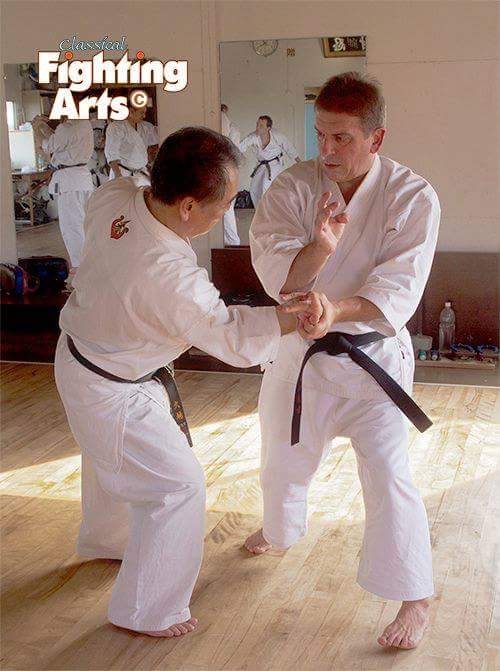
A parent watches a child walk into a martial arts class with slumped shoulders and walk out standing taller. An adult finishes a demanding workout feeling clear-headed instead of drained. Both experiences can be valuable, but traditional dojo vs cardio kickboxing is not simply a choice between two ways to sweat. The difference is the purpose behind the training, the kind of instruction students receive, and what they carry with them after class ends.
Cardio kickboxing can be a strong fitness option for someone who wants energetic movement, stress relief, and a challenging workout. Traditional karate offers physical conditioning too, but it asks for more: attention, patience, respect, responsibility, and a willingness to grow through consistent practice. The right choice depends on what you or your child need at this point in the journey.
Traditional Dojo vs Cardio Kickboxing: The Central Difference
The clearest difference is that cardio kickboxing is generally built around exercise, while a traditional dojo is built around martial arts education. In a cardio kickboxing class, participants may punch, kick, move through combinations, and work up a serious sweat to music or timed intervals. The goal is often to elevate the heart rate, build endurance, and make fitness enjoyable.
In a traditional Okinawan karate dojo, conditioning is part of the work, but it serves a larger discipline. Students learn stances, strikes, blocks, footwork, breathing, forms, partner drills, and the principles that connect them. They are not merely copying a sequence of movements to finish a round. They are learning why the body moves in a certain way, how to control force, and how to respond with awareness.
That distinction matters for families. A child who needs a positive outlet after school may enjoy the action of either class. But a child who also needs help with focus, listening, self-control, perseverance, or confidence may benefit from the structured expectations of a traditional dojo.
What a Traditional Dojo Builds Beyond Fitness
A good dojo does not promise instant transformation. It provides a clear environment where transformation can happen through repetition, coaching, and personal accountability. Students bow into class, follow instruction, practice carefully, encourage training partners, and learn that progress comes from showing up even when a skill feels difficult.
For younger students, these routines create a meaningful connection between effort and confidence. Earning a new skill or belt is not about being better than someone else. It is evidence that the student can listen, practice, recover from mistakes, and keep going. Those are lessons that can support school, friendships, family life, and future responsibilities.
Teens often need a place where standards are clear and encouragement is genuine. Traditional training gives them room to work hard without needing to perform for an audience. They can develop physical capability while learning humility, respect, and the calm confidence that comes from knowing they have earned their progress.
Adults may come to karate for fitness, flexibility, or stress management, then discover something deeper. Training creates time away from constant demands. It asks you to be present in your stance, your breath, and your next movement. For many adults, that disciplined focus becomes a practical way to take control of their health and mindset.
Technique Is Taught, Not Just Repeated
Cardio kickboxing often uses simplified striking combinations because the class needs to keep moving. That approach can be effective for exercise, especially for beginners who want an accessible, fast-paced format. It is not necessarily designed to develop precise martial skill over years of training.
Traditional karate slows certain moments down on purpose. An instructor corrects posture, balance, distance, chambering, alignment, and timing. Students repeat fundamentals because small details affect safety, power, and control. A punch is not just a punch when students understand how the feet, hips, core, shoulders, and focus work together.
This can feel less flashy at first. A new student may spend time on basic stances and simple movements before advancing to more complex material. Yet fundamentals are not a delay in the journey. They are the foundation that makes later skills stronger, safer, and more meaningful.
Discipline Should Feel Supportive, Not Harsh
Some families hear the word discipline and imagine a rigid environment with little warmth. Healthy traditional training is structured, but structure and care belong together. Students need boundaries, expectations, and correction. They also need mentors who notice effort, celebrate improvement, and help them regroup after a hard day.
At Ten Chi Jin Dojo, the aim is to build better people as well as capable martial artists. That means instruction should challenge students while reminding them that they belong. A student does not need to arrive confident, flexible, coordinated, or fearless. They need a willingness to begin and a community that will help them continue.
When Cardio Kickboxing May Be the Better Fit
Cardio kickboxing has real benefits. Someone who wants a straightforward workout with high energy may find it motivating. It can offer a welcome break from treadmills and repetitive gym routines, while improving cardiovascular endurance, coordination, and general conditioning.
It may also be a good fit for an adult with a narrow goal: exercise several times a week, release stress, and enjoy striking-style movement without seeking a martial arts curriculum. There is nothing lesser about choosing a class that matches a specific fitness goal. The best program is one a person can attend consistently and enjoy.
The trade-off is depth. If you want detailed self-defense instruction, a progression of traditional skills, personal mentorship, or a long-term community for your family, a fitness-first class may not provide the full path you are looking for. Ask what the class is designed to teach, not only how difficult the workout appears.
Questions Families Should Ask Before Choosing
The environment matters as much as the activity. Before enrolling, watch a class if possible. Notice whether instructors know students by name, explain expectations clearly, and correct technique with patience. Look at how students treat one another when the instructor is not standing directly beside them.
Ask whether the program has an age-appropriate curriculum and how it handles new students. Children do not need the same training approach as teens, and adults should have room to work at a sustainable level. A thoughtful school can challenge students without making them feel overwhelmed or overlooked.
It also helps to ask what success means in that program. Is success measured only by calories burned, rounds completed, or how hard someone can hit? Or does the school also value focus, courtesy, resilience, and growth? Fitness goals matter, but families often choose martial arts because they want those qualities reinforced week after week.
Finally, consider whether the class invites a lasting commitment. A meaningful martial arts path gives students milestones to pursue, mentors to learn from, and a role in a community that grows with them. For a child, this can be especially powerful. They are not just attending an activity. They are becoming part of a place where effort has purpose.
Fitness Is Part of Karate, Not an Afterthought
Traditional karate can be physically demanding. Students develop balance, mobility, strength, coordination, endurance, and body awareness through regular practice. Classes may include conditioning, dynamic drills, pad work, forms, and partner training, depending on experience and age.
The difference is that the physical work has context. Better leg strength supports stable stances. Better mobility improves kicking and movement. Greater endurance helps students maintain focus and technique when they are tired. Fitness is not separate from the art. It is one of the tools that helps a student practice the art well.
For parents, this means karate can meet more than one need. It gives children a healthy way to move, but it also gives that movement direction. Rather than simply burning off energy, students learn to manage their energy. They practice calm attention, controlled power, and respect for themselves and others.
Choose the Journey That Matches Your Goal
If your goal is a lively workout and a fun way to break a sweat, cardio kickboxing may serve you well. If you want fitness joined with authentic instruction, character development, and a family-centered community, traditional karate may be the stronger choice.
The decision does not have to be about which activity is tougher or more impressive. It is about what will serve the person stepping onto the floor. Choose a place where your child can be challenged and known, where your teen can build confidence with responsibility, or where you can train with purpose. The right training environment can become more than a class on the calendar. It can become a steady practice of becoming stronger in body, mind, and character.

Comments