
12 Best Activities for Disciplined Children
A child who follows directions, finishes homework, and tries to do the right thing still needs a place to grow. In fact, the best activities for disciplined children are not simply more ways to keep them busy. They are purposeful challenges that give a responsible child room to lead, struggle, improve, and discover who they can become.
Disciplined children often respond well to clear expectations, but they should not carry the pressure of always being the "good kid." The right activity gives them a healthy outlet for energy, a chance to make mistakes safely, and adults who recognize effort as much as achievement. It turns discipline from something a child is expected to have into a strength they learn to own.
What Disciplined Children Need From an Activity
A well-behaved child may look self-sufficient, yet they still need guidance that is steady, encouraging, and meaningful. Look for activities with a clear rhythm: instruction, practice, feedback, and progress over time. This structure helps children see that growth is earned through consistent work, not handed to them because they are already responsible.
The best fit also leaves room for joy. A child does not need every afternoon filled with another performance standard. They need movement, friendships, creative expression, and moments when they can be a beginner. The goal is not to create a perfect schedule. It is to choose experiences that strengthen focus while protecting their confidence and curiosity.
Traditional Karate Builds Discipline Into Daily Action
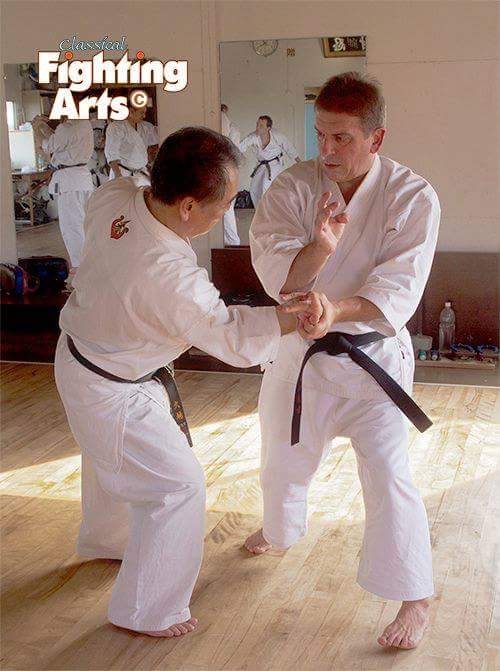
For many families, traditional karate is one of the strongest activities for a disciplined child because it connects physical training to personal character. Students learn that respect is shown through action: arriving prepared, listening carefully, practicing with control, and treating training partners well.
Karate also gives children visible evidence of progress. A stance becomes stronger. A technique becomes more precise. A student who once felt nervous speaking up learns to respond with a clear voice. Those gains do not happen overnight, and that is part of the lesson. Children learn to keep working when something feels difficult rather than walking away from the challenge.
At Ten Chi Jin Dojo, traditional Okinawan karate is taught as a path for building better people, not simply better athletes. A child can develop coordination and fitness while also learning self-control, humility, perseverance, and responsibility. For a disciplined child, this is especially valuable because it provides a place where high standards are paired with patient mentorship.
Karate is not the right choice for every child in every season. Some children need more unstructured play, while others may need time to adjust before joining a group class. But for families seeking a healthy balance of structure, movement, and character development, it offers a meaningful long-term path.
Team Sports Teach Responsibility Beyond the Self
A team sport can be a good next step for a child who enjoys movement and wants to practice cooperation under pressure. Soccer, baseball, basketball, volleyball, and similar activities teach children that preparation affects more than their own outcome. Showing up, paying attention, and encouraging teammates become part of being dependable.
The trade-off is that some team environments can become overly focused on winning, travel demands, or constant competition. Parents should pay attention to the culture around the team. Does the coach correct with respect? Do players learn to recover from mistakes? Is every child expected to contribute to the group? A positive team experience should develop resilience, not make a child afraid of letting others down.
For children who are naturally quiet or cautious, a team sport can also create gentle opportunities to communicate, take initiative, and handle the unpredictable moments that come with group play. Their discipline becomes more flexible as they learn to adapt to others.
Music and Performing Arts Build Patient Confidence
Music lessons, choir, theater, and dance offer a different kind of discipline. Progress is often slow at first. A child may repeat the same scale, scene, rhythm, or movement many times before it feels natural. That repetition builds patience, attention to detail, and the ability to accept coaching without losing heart.
These activities can be especially helpful for children who work hard but do not always know how to express themselves. Performing arts allow them to use their voice, body, and imagination. A child who is reserved in a classroom may become surprisingly confident when given a role, an instrument, or a piece of music to master.
Parents can keep the experience healthy by praising preparation rather than placing all the attention on the recital or performance. Ask what felt challenging, what improved, and what they want to practice next. This keeps achievement connected to growth rather than approval.
Service Activities Turn Discipline Into Leadership
Children with strong habits are often ready for opportunities to serve. Helping at a community event, participating in a neighborhood cleanup, assisting with a food drive, or caring for animals can show them that responsibility has a purpose beyond personal success.
Service is powerful because the results are real. Someone receives help. A shared space becomes cleaner. A younger child feels included. These experiences teach that leadership is not about being in charge. It is about noticing what needs to be done and choosing to contribute.
Start small and choose something your child can understand. A long project with vague results may feel discouraging, especially for younger children. A short, hands-on service activity followed by a family conversation can make the lesson more personal. Ask, "What did you notice?" and "How did your effort help?" Those questions build gratitude and awareness without turning service into another checkbox.
Outdoor Challenges Strengthen Independence
Hiking, gardening, fishing, climbing, nature clubs, and family camping can give disciplined children a valuable break from tightly managed routines. Outdoors, they encounter problems that cannot always be solved with a quick answer: changing weather, uneven trails, a plant that needs ongoing care, or a route that requires patience.
These activities develop practical judgment. Children can pack their own water, help plan a trail, learn basic safety habits, or take responsibility for part of a garden. The key is to give them a real role rather than doing every task for them. A child grows when adults provide boundaries and then step back enough for them to practice good decisions.
Outdoor activities also remind families that rest has value. Not every hour must produce a measurable accomplishment. Quiet time in nature can help a child reset, reflect, and return to school or training with better focus.
How to Choose the Best Activities for Disciplined Children
Begin with your child, not the activity's reputation. A child who loves movement may thrive in karate or a sport. A child who notices patterns may enjoy music, robotics, chess, or art. A child who cares deeply about people may find purpose in service. The best choice is one that asks them to grow while still allowing them to feel capable and welcome.
Consider the adult leadership, too. Children absorb the culture around them. Seek instructors and coaches who hold standards without shaming mistakes, who correct behavior with clarity, and who make room for every student to improve. Discipline grows strongest when children feel both accountable and supported.
Finally, protect margin in the family schedule. One or two meaningful commitments often serve a child better than a calendar filled with activities. Leave space for homework, sleep, family meals, free play, and simple conversation. These quiet parts of life are where children process what they are learning.
A disciplined child does not need to be pushed harder at every turn. They need a worthy path, caring guidance, and the chance to see that their choices matter. Choose activities that challenge their body, strengthen their mind, and call them toward service. Over time, they will learn that discipline is not a burden to carry. It is a foundation they can build on for the rest of their lives.

Comments