

10 benefits of traditional karate
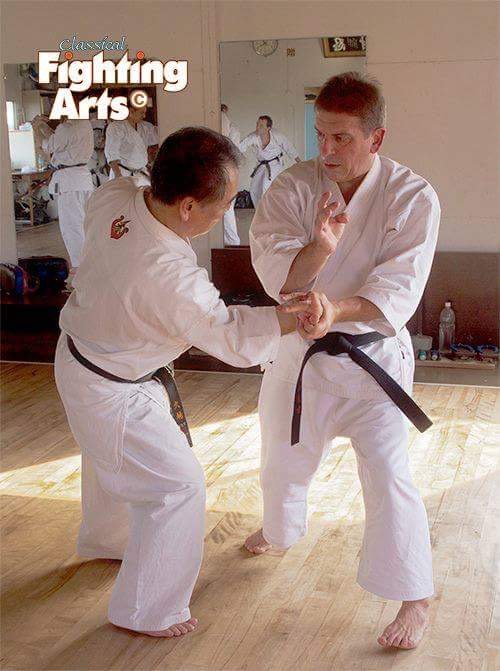
A child who struggles to focus in school, a teen who needs confidence, an adult who feels stuck in a routine - these are often the people who begin to see the real benefits of traditional karate first. While many activities help with fitness or coordination, traditional karate offers something deeper. It trains the body, sharpens the mind, and shapes character through steady practice, clear standards, and respectful community.
That difference matters. Traditional karate is not built around quick rewards or constant entertainment. It is built around meaningful progress. Students learn how to show up, listen well, practice with intention, and keep going when something is difficult. Over time, those habits begin to carry into daily life.
What makes traditional karate different?
Before talking about the benefits of traditional karate, it helps to understand what makes it traditional in the first place. In a traditional dojo, karate is not treated as a casual workout or a flashy performance. It is taught as a disciplined path of personal development rooted in lineage, structure, and respect.
That does not mean the training is cold or rigid. In a healthy traditional environment, students are supported and challenged at the same time. Instructors expect effort, honesty, and humility, but they also guide students patiently. The result is a culture where progress is earned, and that gives each milestone real value.
Traditional karate also emphasizes fundamentals. Students spend time on stance, posture, breathing, technique, control, and etiquette. To some people, that may seem slower than programs that focus on action right away. But in the long run, that foundation often produces stronger skill, better habits, and more lasting growth.
1. Traditional karate builds discipline that carries into life
Discipline is one of the most talked-about benefits of traditional karate, and for good reason. Students are asked to follow directions, practice consistently, and respect the process. They cannot rush past fundamentals just because they are eager for the next step.
That kind of training teaches patience and responsibility. A child begins to understand that effort matters even when no one is watching. A teen learns that self-control is a strength, not a limitation. An adult rediscovers the value of commitment in a world full of distractions.
Discipline in karate is not about harshness. It is about learning to govern yourself. That lesson has value far beyond the dojo floor.
2. Focus and attention improve through structured practice
Many parents look for activities that help their children concentrate better, and karate can be a strong fit. In class, students must watch carefully, respond quickly, and stay mentally present. They are not passively entertained. They are expected to engage.
Over time, this repeated practice can improve attention span and listening skills. Students learn to filter out distractions and direct their energy where it belongs. For some children, this becomes one of the most practical benefits of traditional karate because it supports school performance and behavior at home.
Adults benefit too. Karate asks you to be fully present in your movement, your breathing, and your decision-making. That kind of focus can be a welcome reset from the scattered pace of daily life.
3. Confidence grows from earned achievement
Real confidence does not come from empty praise. It grows when a person faces difficulty, keeps working, and sees progress. Traditional karate creates that experience again and again.
A beginner may feel uncertain at first. Techniques can be unfamiliar. Corrections can feel humbling. Advancement takes time. But that is part of the value. When students improve, they know it is because they practiced, listened, and persevered.
This produces a steady kind of confidence. It is not loud or arrogant. It is grounded. Students begin to trust themselves because they have proof that they can grow through effort.
4. Physical fitness develops with purpose
Karate absolutely improves fitness, but it does so with purpose. Students build strength, balance, coordination, mobility, endurance, and body awareness while learning useful technical skills. The training does not isolate fitness from function. It develops both together.
This can be especially helpful for people who struggle to stay motivated by exercise alone. Running on a treadmill may improve conditioning, but it does not always provide a sense of meaning. Karate gives students clear goals and a sense of progression, which often makes consistent training easier to sustain.
That said, results depend on frequency, intensity, and the student’s stage of life. A young child may gain coordination and body control more than raw conditioning. An adult may feel improvements in flexibility, stamina, and posture before seeing major strength changes. Progress is personal, but it is rarely accidental.
5. Respect becomes a daily habit, not just a rule
Traditional karate teaches respect in visible ways - bowing, listening, waiting your turn, addressing instructors properly, and training with care. These outward practices are not just formalities. They help students learn how to honor the space, the instruction, and the people around them.
For children and teens, that structure can be powerful. Respect becomes something they practice regularly rather than something they hear about only when behavior goes wrong. For adults, it can be a reminder that strength and humility belong together.
A good dojo does not use respect to demand fear. It uses respect to build trust, order, and mutual responsibility. That distinction matters.
6. Traditional karate strengthens emotional control
Martial arts are often associated with power, but one of the deeper lessons is restraint. Students learn to manage frustration, stay calm under pressure, and respond with control instead of impulse.
This does not happen overnight. In fact, moments of challenge are part of the process. A student may become frustrated while learning a kata, correcting a stance, or sparring with control. Those moments create opportunities to practice emotional maturity.
For children, this can support better self-regulation. For teens, it can offer a healthy framework for channeling strong emotions. For adults, it can become a practical tool for handling stress more steadily. One of the lasting benefits of traditional karate is that it teaches people not just how to move, but how to carry themselves.
7. Community and belonging matter more than people think
People often join karate for individual reasons, but they stay because they feel connected. A traditional dojo can become a place where students are known, encouraged, and held accountable. That kind of environment supports long-term growth.
This is especially valuable for families. When training happens in a culture that values character, effort, and mutual respect, students are surrounded by healthy expectations. They are not just learning techniques. They are being shaped by the standards of the group.
At Ten Chi Jin Dojo, that family-centered approach reflects a simple belief: we are not only building martial skill. We are building better people. For many students, that sense of belonging becomes just as important as the physical training itself.
8. Traditional karate teaches perseverance through challenge
Not every class feels easy. Not every technique comes quickly. That is part of the point. Traditional karate gives students repeated experience with challenge, correction, and gradual improvement.
In a culture that often rewards speed, karate teaches endurance. You learn that progress can be slow and still be real. You learn that being corrected is not failure. You learn that some of your strongest moments come after you wanted to quit.
This lesson has wide application. Students carry it into school, work, family life, and personal goals. They begin to understand that growth usually requires repetition, humility, and time.
9. Self-defense starts with awareness and control
People naturally think about self-defense when they consider martial arts, and that is a valid part of training. Traditional karate develops movement, timing, distancing, and the ability to respond under pressure. Those skills matter.
At the same time, responsible karate instruction does not reduce self-defense to fighting. It also teaches awareness, posture, judgment, and self-control. The strongest response is not always physical. Sometimes it is recognizing danger early, staying composed, and making wise decisions.
This is another area where tradition helps. A serious dojo treats martial skill with responsibility. The goal is not aggression. It is readiness guided by character.
10. Karate gives students a path, not just an activity
One of the greatest benefits of traditional karate is that it offers a path of ongoing development. Students do not simply attend classes and burn energy. They move through a system that asks them to grow physically, mentally, and personally over time.
That path can be valuable at almost any age. A child gains structure and confidence. A teen finds direction and resilience. An adult finds challenge, purpose, and steady improvement. The goals may differ, but the framework remains strong.
Not everyone will value the same benefits equally. Some people are drawn to fitness. Others want discipline or confidence. Some need community. Some want authentic martial training with deeper meaning behind it. Traditional karate can meet many of those needs, but it works best for students who are willing to embrace the process rather than chase shortcuts.
If you are looking for an activity that asks more of you and gives more back in return, karate may be worth choosing. The best training does more than fill an hour on the schedule. It helps a person stand taller, think more clearly, and live with greater purpose.

Comments