

Dojo Values for Child Development That Last
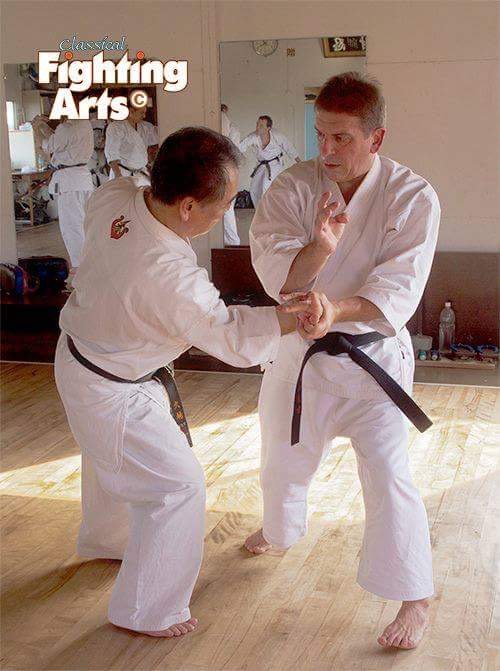
A child bows at the door, steps onto the floor, and learns right away that this space asks something different of them. Not fear. Not perfection. It asks for attention, effort, and respect. That is why dojo values for child development matter so deeply. They give children a clear structure for how to behave, how to respond to challenges, and how to grow when life feels hard.
For many parents, that structure is exactly what feels missing. Children have energy, emotion, and potential, but they do not always have a framework to direct it. A good dojo provides one. It teaches that progress comes through consistency, that respect is shown in actions, and that confidence is earned through effort. Those lessons reach far beyond class.
Why dojo values for child development matter
A dojo is not just a place to exercise. In a traditional martial arts setting, every part of training carries meaning. Students stand with attention, listen when instruction is given, take responsibility for mistakes, and practice self-control even when they feel frustrated. Over time, these habits become part of the child, not just part of the class.
That matters because character is built through repeated behavior. Children do not become disciplined because an adult tells them discipline is important. They become disciplined when they are given a standard, shown how to meet it, and encouraged to keep going when they fall short. The dojo creates that cycle over and over again.
This is one reason martial arts appeals to families who want more than activity. Sports can teach valuable lessons, and so can music, dance, and other programs. But a dojo is uniquely direct about personal conduct. It does not treat character as a side benefit. It treats character as part of the training itself.
The core values children learn in a dojo
Respect is often the first value parents notice. Children learn to greet instructors properly, pay attention when others are speaking, and treat training partners with care. This is not empty formality. It teaches children that other people matter, that authority has a place, and that self-respect and respect for others rise together.
Discipline grows next. In class, children learn that there is a time to move and a time to be still. They are expected to try even when a technique feels awkward or difficult. That repeated experience of doing what is required, rather than only what feels easy, is the root of discipline.
Perseverance follows naturally. Karate training includes mistakes, corrections, and slow progress. A child may struggle with balance, coordination, or focus at first. In a healthy dojo, they are taught not to quit at the first sign of difficulty. They are taught to breathe, reset, and try again. That lesson can reshape how they approach schoolwork, friendships, and setbacks at home.
Humility is another value that often gets overlooked. Children need confidence, but they also need to understand that growth never ends. In martial arts, there is always more to learn. A child can feel proud of progress while still remaining teachable. That balance is powerful. It protects against both insecurity and arrogance.
Self-control may be the value parents appreciate most in daily life. A dojo teaches children that strength is not the same as aggression. Real control means managing emotions, following instructions, and responding with thought instead of impulse. For a child who struggles with frustration, impulsiveness, or poor boundaries, this can be life-changing.
How these values show up outside the dojo
The best martial arts instruction does not stay on the mat. It shows up at home when a child handles correction without melting down. It shows up at school when they sit with better focus, speak more respectfully, or keep working through a tough assignment. It shows up with siblings when they learn that being upset does not give them permission to lose control.
Parents sometimes expect instant transformation, but child development rarely works that way. Progress usually comes in layers. First, a child begins to understand the expectations. Then they start meeting those expectations in class. After enough repetition, they carry those habits into other parts of life.
This is where consistency matters. A child who trains once in a while may enjoy the experience, but the deeper values take root through steady practice. The same is true at home. When families reinforce respect, responsibility, and follow-through, the dojo and the home begin working together instead of pulling in different directions.
What makes traditional training especially effective
Not every martial arts program teaches values with the same depth. Some focus mostly on movement, entertainment, or fast advancement. There can still be benefits in those settings, but it depends on what a family is seeking.
Traditional training tends to be especially strong in child development because it keeps standards clear. Students understand that rank must be earned, that correction is part of learning, and that etiquette is not optional. This gives children something they need: a stable structure that does not bend with every mood.
At the same time, structure without care can feel cold. The best dojos balance firmness with encouragement. Children should feel challenged, but they should also feel seen. They should know that instructors believe in them enough to correct them and support them at the same time. That combination builds trust.
At Ten Chi Jin Dojo, that family-centered approach matters. Children benefit most when they are trained with both discipline and genuine care, because character grows best in an environment where standards are strong and belonging is real.
What parents should look for in dojo values for child development
If a parent is considering karate, it helps to look beyond the class schedule and ask deeper questions. Does the school clearly teach respect, focus, and responsibility, or are those ideas only implied? Are instructors patient and consistent? Do they correct children with purpose, or do they swing between harshness and chaos?
It is also worth watching how students behave before and after class. A healthy dojo culture is visible. You can often see it in the way students line up, listen, help one another, and carry themselves. Children do not need to be perfect, but there should be a clear standard shaping the room.
Parents should also consider their child’s temperament. Some children need help building confidence. Others need help with self-control. Some need both. A good dojo does not force every child into the same mold. It keeps core values steady while helping each student grow in the areas where they need it most.
That said, martial arts is not magic. A dojo can provide guidance, repetition, and mentorship, but children still need time to mature. They will still have hard days. They will still test boundaries. The goal is not instant obedience. The goal is steady formation.
The long-term impact of dojo training
When children spend years in a values-driven dojo, the results go deeper than physical skill. They learn how to handle pressure, how to respect authority without losing their voice, and how to keep going when progress feels slow. Those are life skills.
As they grow older, these same values can help them resist negative influences, recover from disappointment, and approach adulthood with stronger judgment. A child who learns early that discipline brings freedom is better prepared for the real demands of school, work, and relationships.
There is also something meaningful about belonging to a place that expects growth. Children rise when they know they are part of a community that believes they can become more responsible, more focused, and more capable than they are today. That kind of environment gives them both roots and direction.
Parents do not need a perfect program. They need a place where children are taught to choose respect, practice self-control, and keep showing up with effort. When those values are taught consistently, martial arts becomes more than an activity. It becomes part of how a child learns to live with strength, humility, and purpose.
The right dojo does not just teach a child how to punch or kick. It helps shape the kind of person they are becoming, one class at a time.

Comments