
An Okinawan Karate Training Review for Families
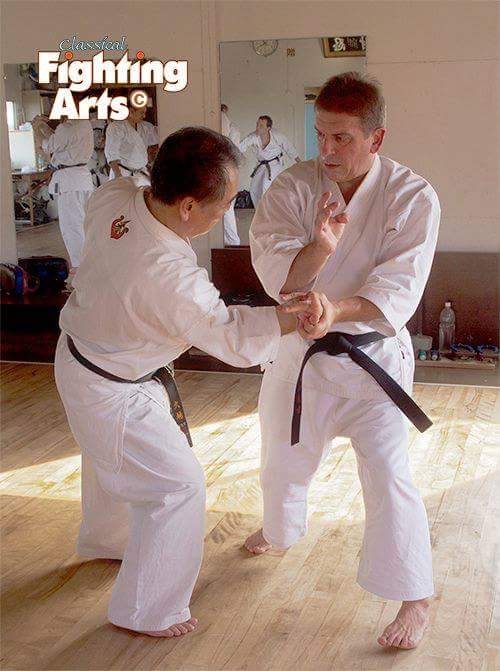
A child stands a little taller after learning to hold a strong stance. A teen discovers that focus can be practiced, not wished for. An adult finds that the work of improving strength, mobility, and self-control has a place in a busy life. That is the standard a meaningful Okinawan karate training review should use: not whether a class creates a quick sweat, but whether it helps people build a better way of living.
Traditional karate asks more of students than attendance. It asks them to show respect, listen closely, repeat the basics, accept correction, and keep going when progress feels slow. For families seeking a structured activity with lasting value, that challenge is often exactly the point.
What Makes Okinawan Karate Different?
Okinawan karate developed as a practical system of self-protection, conditioning, and personal discipline. Its training is rooted in fundamentals that must be revisited over time: posture, breathing, balance, movement, striking mechanics, awareness, and control. Students do not simply collect techniques. They learn how their body moves, how their choices affect others, and how consistent effort shapes results.
That foundation matters for children and adults alike. A student who learns to stand correctly, pay attention to detail, and respond calmly to instruction is developing habits that reach beyond the dojo. Karate becomes a place to practice responsibility before the stakes are high at school, at work, or at home.
Authentic Okinawan training also values lineage. At Ten Chi Jin Dojo, instruction is connected to the traditional teachings of Morio Higaonna's TOGKF in Naha, Okinawa. This connection is not about using a famous name. It is about preserving a training path with standards, purpose, and respect for the generations who carried the art forward.
Okinawan Karate Training Review: What Families Should Look For
A good program should be welcoming, but it should not be directionless. The strongest family martial arts environments combine clear expectations with patient instruction. Beginners need to feel safe asking questions and making mistakes. They also need to understand that progress comes through effort, not shortcuts.
When evaluating a karate school, watch what happens before and after class. Are students greeted by name? Do instructors correct behavior with calm consistency? Are older students encouraged to lead with humility? Does the room feel organized without feeling cold? These details reveal whether a school is building a true training community or merely running classes.
Parents should also notice whether character development is visible in the curriculum and culture. Respect should mean more than a bow at the door. It should show up in how students speak, wait their turn, handle frustration, and encourage training partners. Confidence should not look like showing off. Healthy confidence is the ability to carry yourself with composure and make wise choices even when no one is watching.
A worthwhile karate program gives students room to grow at their own pace while maintaining meaningful standards. Children mature differently. Teens face pressures that can change quickly. Adults may be returning to exercise after years away or balancing training with family and work. The instruction should meet each person where they are, then call them forward.
The Value of Training the Whole Person
Karate is physical, but it should never be reduced to fitness alone. Students will improve coordination, flexibility, stamina, and body awareness through regular practice. They may also become more comfortable moving with intention instead of rushing through each task. Those are valuable outcomes, especially for people who want an active routine that has a clear purpose.
Yet the deeper benefits often appear outside class. A child may begin finishing homework with less resistance because they have learned to follow a sequence of instructions. A teenager may handle disappointment more constructively after learning that a missed technique is an opportunity to adjust. An adult may regain confidence by showing up consistently and recognizing that improvement is still possible.
This does not mean karate is a cure-all. No dojo can remove every obstacle from a student's life. The real value is that training provides a steady place to work through obstacles with guidance, accountability, and encouragement. Students learn that difficult moments can be faced one step at a time.
What a Traditional Class Should Feel Like
A well-led Okinawan karate class has rhythm. Students begin by entering with respect and preparing their minds for training. They practice basics repeatedly because the basics are where control is built. They work on forms, partner drills, conditioning, and age-appropriate applications in ways that reinforce safety and discipline.
For younger students, the emphasis may include listening skills, coordination, boundaries, and the ability to stay engaged through instruction. A child does not need to become perfect to benefit. They need a patient environment where expectations are clear and every small improvement is recognized.
Teens often need a place where they can be challenged without being judged. Karate gives them measurable goals and a community that expects effort. As their physical ability develops, so can their leadership, resilience, and sense of personal responsibility.
Adults may come to karate for fitness, stress relief, self-defense knowledge, or a return to a long-held interest. Traditional training can serve all of those goals, but it requires honesty. Progress may be gradual. Tight hips do not become flexible overnight, and coordination takes repetition. The reward is a practice that grows with the student rather than losing value once an early goal has been reached.
Questions to Ask Before You Begin
Before choosing a program, ask how new students are introduced to training. A thoughtful introductory process helps families understand class expectations, the instructor's approach, and whether the environment is a good fit. It also gives a student permission to begin as a beginner.
Ask how the school handles different age groups and experience levels. Children, teens, and adults should not all be taught as though their needs are identical. Ask how progress is evaluated, how safety is taught, and how instructors communicate with parents. Direct answers are a sign of a school that values trust.
It is also wise to ask what the school believes karate is for. Some people want a highly competitive experience. Others want a disciplined path centered on long-term growth. Neither goal is wrong, but families should choose a dojo whose purpose aligns with their own. If you want mentorship, character formation, traditional instruction, and a supportive community, those values should be visible from your first visit.
The Trade-Off Worth Understanding
Traditional karate is not built for instant gratification. Repetition can feel challenging, especially at the beginning. Students may want to move quickly to advanced techniques, but a responsible instructor will keep bringing them back to stance, form, control, and respectful conduct. That can feel slower than a program built around constant novelty.
The trade-off is meaningful. When students learn to value the process, they gain more than a collection of moves. They gain patience. They learn that real confidence is earned through preparation. They discover that discipline is not punishment. It is a way of taking control of their own journey.
For families throughout the Dalton and Varnell area, a traditional dojo can become part of the support system around a child, teen, or adult. It offers a place to be known, challenged, and encouraged. The goal is not to create a perfect student. The goal is to help each person become more capable, more respectful, and more prepared to meet life with purpose.
Choose training that asks something worthwhile of you. Step onto the floor with an open mind, commit to the basics, and let steady practice build the strength that lasts long after class ends.

Comments