
Master Karate Stances With Stronger Purpose
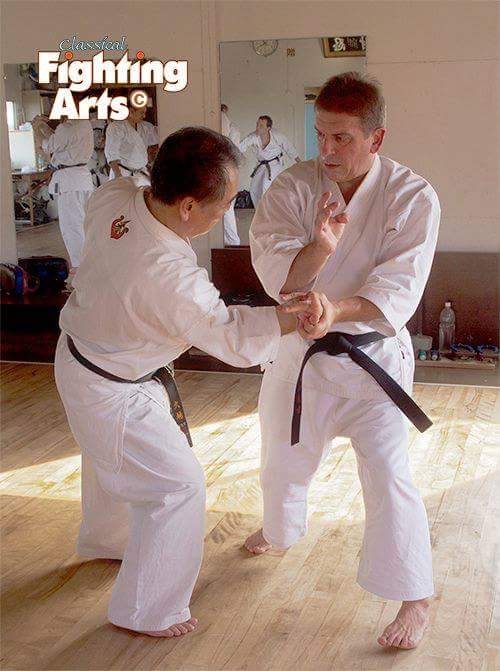
A stance is not a pose held for a belt test or a photograph. It is the moment a student chooses control before movement begins. When students learn to master karate stances, they build a foundation for stronger strikes, safer movement, clearer focus, and the quiet confidence that carries beyond the dojo.
For a child, that may look like standing still when energy wants to spill everywhere. For a teen, it may mean staying composed under pressure. For an adult, it can be the return of balance, mobility, and personal discipline. Traditional karate begins from the ground up because a person who cannot organize their own body will struggle to direct power with purpose.
Why Karate Stances Matter Before Speed
Fast hands draw attention, but a fast technique without a stable base often loses power and accuracy. A karate stance connects the feet, legs, hips, spine, and hands into one coordinated movement. It teaches the body how to receive force, create force, and change direction without falling apart.
In traditional Okinawan karate, stances are not meant to be stiff shapes. They are training tools. Each one develops a different relationship with the floor, whether the student needs forward drive, lateral stability, close-range control, or the ability to shift quickly.
This is why instructors ask students to repeat basic positions so often. Repetition is not punishment, and it is not empty tradition. It gives students time to feel what alignment actually means. Knees begin to track correctly. Hips become more aware. The shoulders stop rising. Breathing becomes steadier. Over time, the body learns to move with less wasted effort.
The Key Stances to Build First
A beginning student does not need to memorize every Japanese term at once. What matters first is learning how each stance feels and why it is used. Names become meaningful when they are connected to practice.
Natural Stance: Ready Without Tension
A natural stance is often where training begins and ends. The feet are placed comfortably beneath the body, the knees are soft, the posture is upright, and the mind is alert. It may look simple, but it teaches an essential lesson: readiness does not require tension.
Many new students lock their knees, squeeze their shoulders, or hold their breath because they want to do everything correctly. A good natural stance helps them replace strain with awareness. Parents may notice the same lesson helping at home or school, when a child learns to pause, stand tall, and listen before reacting.
Front Stance: Direction and Commitment
The front stance creates a strong line toward a target. Typically, the front knee bends while the rear leg provides support and drive. The hips and torso remain organized rather than leaning forward.
This stance is valuable for developing commitment. Students learn that moving forward requires balance, not recklessness. If the stance is too long, the student may feel stuck. If it is too short or too high, they may lose structure. The right depth depends on the student’s height, flexibility, age, and current conditioning.
For younger students, a shorter, well-aligned stance is far more useful than forcing a dramatic low position. Quality comes before appearance.
Horse Stance: Strength Across the Body
The horse stance places the feet wider apart with the knees bent outward in line with the toes. It develops leg endurance, hip awareness, and a stable center. It also reveals habits quickly. If a student’s knees collapse inward or their upper body folds forward, the stance gives honest feedback.
Horse stance training should challenge students, but it should not become a contest of pain. A student who shakes while maintaining safe alignment may be building strength. A student who feels sharp knee pain or cannot keep the feet and knees organized needs adjustment. Discipline includes knowing the difference.
Back Stance: Control, Distance, and Mobility
A back stance shifts more of the body’s weight toward the rear leg while keeping the front foot light and ready. It is useful for managing distance, defending, and preparing to move.
This stance often feels unfamiliar because people naturally want to place weight evenly or lean too far back. The goal is not to retreat from the moment. It is to remain balanced enough to respond with purpose. That lesson has value far beyond karate: calm awareness creates better choices than panic.
Cat Stance: Patience Before Action
In cat stance, most of the weight rests on one leg while the other foot stays light. It develops balance, leg strength, and the ability to move without announcing every intention.
Students often discover that cat stance requires more concentration than force. The standing foot must grip the floor gently, the posture must remain tall, and the light foot must stay ready rather than limp. It is a useful reminder that control is active, even when the body appears still.
How to Master Karate Stances Without Forcing Them
Students improve fastest when they train stances with attention instead of simply trying to hold lower positions for longer. A traditional class provides correction and structure, but a few habits make the work more productive between classes.
Start by checking the feet. They are the first point of contact with the ground, so their direction matters. If the feet point one way while the knees drift another, the body loses stability. Keep the knees tracking in the same general direction as the toes, and avoid allowing them to collapse inward.
Next, bring attention to the pelvis and spine. A strong stance does not require an exaggerated arch in the lower back or a hunched chest. Think tall through the crown of the head while allowing the hips to settle naturally. The goal is a connected posture, not a frozen one.
Breathing matters as well. Students who hold their breath usually become rigid and tire quickly. Calm breathing helps the muscles work together. During basic practice, exhale with effort and return to a controlled breath as the body resets.
Finally, practice transitions. A stance is only useful if a student can enter, leave, and adapt it with balance. Step from natural stance into front stance. Shift from back stance into a forward movement. Return to a centered position without crossing the feet carelessly. Slow transitions expose weak points and create cleaner technique later.
Common Mistakes and What They Teach
The most common stance mistake is chasing depth before earning it. Low stances can build strength, but only when the joints remain aligned and the student can move out of the position with control. Flexibility and strength grow over time. Forcing range often creates poor habits.
Another mistake is treating the upper body as separate from the legs. A student may place their feet correctly but allow the shoulders to tense, the chin to lift, or the hands to float without purpose. Karate is whole-body training. Every position should support the next action.
Students also sometimes look down to check their feet. Early on, this is understandable. But constantly looking down weakens posture and awareness. Use a mirror only when an instructor recommends it, then learn to feel alignment through repetition and coaching.
There is also no single stance that fits every person exactly the same way. A young child, a tall teenager, and an adult returning to activity after years away will need different depths and distances. Traditional standards matter, yet wise instruction applies those standards to the student standing in front of the instructor.
What Stance Training Builds Outside the Dojo
Learning karate stances develops more than legs. It gives students a practical experience of patience. Improvement is visible, but it is not instant. The student who could only hold a balanced position for a few seconds eventually moves through basics with steadiness. That earned progress builds trust in the process.
At Ten Chi Jin Dojo, traditional training is meant to help build better people, not simply better performers. When students show up, listen carefully, accept correction, and try again, they practice responsibility. When they encourage classmates and respect different ability levels, they strengthen community.
A strong stance says, without words, “I am present. I am balanced. I am ready to learn.” Choose that posture in training, then carry it into the moments that ask the most of you.

Comments