

Beginner Guide to Dojo Culture for Families
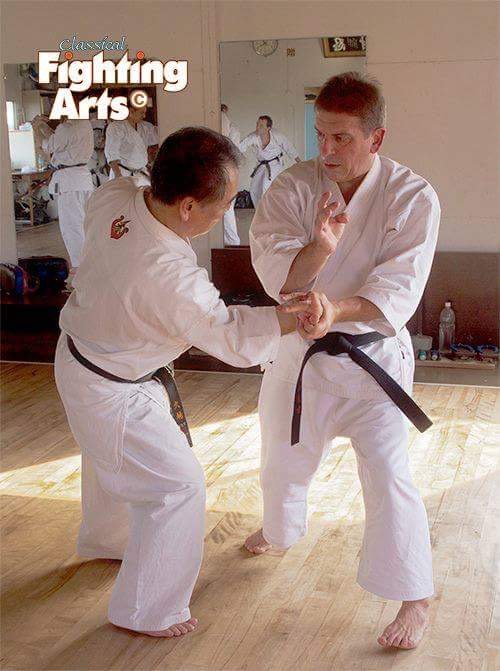
The first thing many families notice when they enter a karate dojo is the quiet focus. Students may be stretching, practicing a stance, or greeting an instructor before class begins. It can feel different from a busy gym or a casual activity, and that is by design. This beginner guide to dojo culture explains what those traditions mean and how they help children, teens, and adults grow stronger in character as well as skill.
A dojo is not simply a room where people learn punches and kicks. It is a place of study, accountability, and mutual respect. You do not need prior martial arts experience to belong there. You only need a willingness to listen, practice, and take responsibility for your own journey.
What Dojo Culture Really Means
Dojo culture is the shared set of values, habits, and expectations that shape how students train together. In traditional Okinawan karate, the goal reaches beyond physical ability. Students develop discipline, self-control, courage, humility, and respect for others.
That does not mean every class is solemn or joyless. A healthy dojo has laughter, encouragement, friendships, and the satisfaction that comes from overcoming a difficult challenge. The structure gives that positive energy direction. Students learn when to focus, when to ask questions, and how to support training partners without distracting from the work.
For parents, dojo culture is often one of the greatest benefits of karate. A child is not merely being kept active after school. They are entering an environment where effort matters, good choices are recognized, and respect is practiced consistently.
A Beginner Guide to Dojo Culture and Respect
Respect is often the first lesson a new student sees. It may be shown by bowing when entering the training area, greeting instructors, listening while others are being taught, and caring for the dojo space. These actions are not empty rituals. They teach students to be present and aware of the people around them.
A bow, for example, is not about making someone feel superior. It is a simple sign that says, “I am ready to learn, and I respect this opportunity.” Children often understand this quickly when it is explained with patience. Teens and adults may find that the practice creates a helpful mental boundary between the distractions of the day and the focused work of class.
Respect also moves in every direction. Students show respect to instructors and fellow students, while instructors show respect through clear teaching, fair correction, and genuine care for each person’s development. A strong dojo does not confuse harshness with discipline. Correction should be direct, but it should also help the student improve.
What to Expect During Your First Classes
Most beginning karate classes follow a predictable rhythm. That consistency helps new students settle in, even if the movements are unfamiliar at first. Class may begin with a formal greeting and warm-up, then move into fundamental stances, blocks, strikes, movement drills, and age-appropriate conditioning. Students may also practice kata, which is a structured sequence of karate techniques.
You will hear words that may be new, especially in a traditional program connected to Okinawan karate. Do not worry about memorizing every term immediately. Learning the language of the dojo is part of the process, much like learning the names of plays on a team. Listen, repeat, and let understanding build over time.
New students are not expected to perform perfectly. In fact, trying to look advanced too soon can get in the way of learning. Good beginners pay attention, give an honest effort, and accept that repetition is how the body and mind learn. A basic stance practiced carefully is more valuable than a flashy technique practiced carelessly.
The Role of Discipline Without Fear
Some families hear the word discipline and picture punishment. In a healthy karate setting, discipline means learning to make wise choices even when something is difficult, frustrating, or inconvenient. It is the habit of showing up, standing with care, finishing a drill, and responding to instruction without excuses.
For children, this can look like keeping hands to themselves, waiting their turn, and returning attention to the instructor after a moment of distraction. For teens, it may mean pushing through self-consciousness and learning to receive feedback. For adults, discipline often means protecting time for their own health and growth amid work and family responsibilities.
The trade-off is real: progress in traditional karate requires patience. Students do not receive deep confidence from being told they are ready before they have done the work. They earn it through small, repeated victories. The reward is confidence that can hold up outside the dojo, at school, at home, at work, and in challenging moments.
How Families Can Support the Dojo Experience
Parents do not need to become karate experts to support a child’s training. The most meaningful support is steady and simple. Ask what they practiced. Notice their effort, not only their rank or performance. Encourage them to attend consistently, especially when the excitement of starting something new begins to fade.
It also helps to let the dojo be the dojo. Instructors need room to teach, correct, and set expectations. Parents can reinforce those lessons at home by using similar language around respect, responsibility, and perseverance. When home and training work together, children receive a clear message: character matters wherever you are.
Families should also remember that every student progresses differently. One child may become comfortable in a group quickly, while another needs time to find confidence. A teen may be motivated by fitness and later discover the value of tradition. An adult may begin for exercise and find a supportive community. The right path is not identical for everyone, but commitment gives each student room to grow.
Training Partners Are Part of the Lesson
Karate can look individual from the outside, but students do not grow alone. Training partners help one another practice timing, distance, control, and awareness. They also teach patience. You may work with someone younger, older, taller, faster, newer, or more experienced than you.
This is where dojo culture becomes visible. A respectful student does not use a partner to prove something. They train with control, follow instructions, and help create a safe learning environment. More experienced students often lead by example, remembering what it felt like to be new. Beginners contribute by being attentive, receptive, and willing to try again.
At Ten Chi Jin Dojo, this village-style approach reflects a belief that karate should build better people, not simply better athletes. The skills matter, but so does the way students carry themselves while learning them.
Common Questions New Students May Have
What if I make a mistake?
You will. Everyone does, including experienced students. A mistake is useful when you notice it, accept correction, and make a better attempt. The dojo is one of the safest places to learn that improvement is built through practice, not embarrassment.
Do I need to be athletic before I start?
No. Karate training can meet students where they are. Flexibility, coordination, strength, and endurance improve with consistent effort. Students should still communicate any health concerns to their instructor and train within appropriate limits.
When will I feel comfortable?
It depends on the student. Some people feel at home after a few classes; others need several weeks to learn the routines. Familiarity comes from attendance. Each class makes the next one less intimidating.
Bring a Willing Spirit
The best way to enter a dojo is with a beginner’s mind. Arrive ready to listen, be patient with yourself, and treat each person with respect. You do not have to be the strongest, fastest, or most confident person in the room to begin. You simply need to choose the next right step, then return to practice it again.
Over time, the bow at the door, the careful stance, and the encouraging word from a training partner become more than class routines. They become reminders that growth is built through respect, effort, and the decision to keep going.

Comments