
Can Karate Improve Posture? What Training Changes
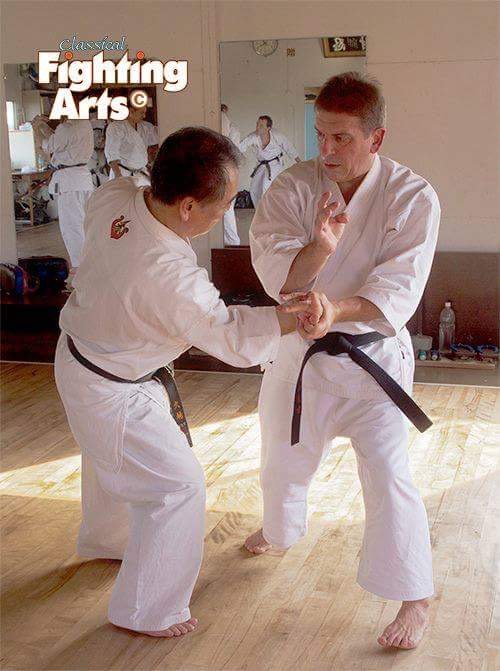
A child who slouches over a screen, a teen who folds forward under the weight of a backpack, or an adult whose shoulders seem to live near their ears may all ask the same question: can karate improve posture? It can help, especially when training is taught with patience, correct fundamentals, and consistent attention to how the body moves. Karate is not a quick fix for every posture concern, but traditional practice can build the awareness, strength, mobility, and self-discipline that better posture requires.
At Ten Chi Jin Dojo, posture is not treated as a pose to hold for a few seconds. It is part of learning to stand with purpose, move with control, and carry yourself with confidence in and out of the dojo.
Can Karate Improve Posture Through Practice?
Yes, karate can improve posture because it repeatedly teaches students where their body is in space. A student learns to place the feet, align the knees, organize the hips, lift through the spine, relax unnecessary tension, and keep the head balanced rather than pushed forward. Those details are not decoration. They affect balance, power, breathing, and safety.
In a traditional karate class, students return to these principles again and again. They practice a ready stance, stepping patterns, blocks, strikes, and kata with an instructor who can correct a raised shoulder, a collapsed chest, locked knees, or a leaning torso. Over time, the body begins to recognize what centered movement feels like.
That repetition matters. Posture is not usually changed by hearing “stand up straight” once. It changes as a person develops the strength to maintain better alignment and the awareness to notice when they have drifted away from it.
Posture Is More Than Standing Tall
Good posture does not mean forcing the shoulders back, puffing out the chest, or holding the body stiffly. A rigid body can look upright while still carrying too much strain. Healthy alignment is more useful when it allows a person to breathe, turn, step, sit, and react without losing control.
Karate encourages this kind of usable posture. Students learn to settle their weight through the feet while keeping the upper body prepared but not tense. They learn that stability comes from proper positioning, not from clenching every muscle. A strong stance should feel grounded, not frozen.
This lesson can be especially valuable for children and teens. Their bodies are growing, their daily routines often involve long stretches of sitting, and they may not yet recognize habits such as leaning to one side, rounding the shoulders, or looking down at a phone for too long. A supportive instructor can help them build body awareness without making them self-conscious about their appearance.
How Traditional Karate Supports Better Alignment
Karate supports posture through several connected parts of training. The first is stance work. Whether students are practicing a natural ready position or a deeper training stance, they must coordinate their feet, legs, hips, and torso. If one part is out of place, balance and movement become harder.
The second is core control. The core is not just the stomach muscles. It includes the muscles around the abdomen, back, pelvis, and hips that help transfer force and keep the trunk organized. Karate techniques work best when power travels from the ground through a stable, coordinated body. A student who reaches with only the arm or twists without control quickly learns that alignment matters.
Breathing adds another layer. Controlled breathing can help students reduce excess tension in the neck, jaw, and shoulders. During training, they learn when to brace, when to exhale, and when to release. For many people, better posture begins when they stop trying to muscle their way through every movement.
Finally, kata and basic combinations develop coordination. Moving through a sequence requires the student to stay aware of direction, level, timing, and body position. This creates a practical conversation between the mind and body. Instead of merely being told how to stand, students experience why balanced posture helps them move better.
The Confidence Connection
Posture and confidence often influence each other. When people feel uncertain, tired, or withdrawn, they may physically make themselves smaller. When they learn to stand in a balanced, capable position, they often feel more ready to participate.
Karate does not teach false bravado. It teaches composure. A child who learns to face forward, listen carefully, and perform a technique with discipline is practicing a physical form of self-respect. A teen who improves through steady effort sees that growth is earned. An adult who returns to training after a demanding day gets a chance to reset and reconnect with their own strength.
That confidence may show up in posture, but its value reaches further. The goal is not simply to look more upright. It is to develop a person who can meet challenges with greater control.
What Karate Cannot Promise
Karate should not be presented as a cure for every posture issue. Some people have pain, injuries, scoliosis, neurological conditions, joint limitations, or other concerns that need guidance from a qualified healthcare professional. Training should be adapted when necessary, and pain should never be ignored in the name of toughness.
Results also depend on consistency. One class a week can introduce valuable habits, but posture is shaped by the rest of life too: school desks, workstations, sleep, stress, backpacks, screen use, activity level, and previous injuries all play a role. Karate is most effective as part of a larger commitment to moving well.
There is also a difference between a demanding stance and poor alignment. Traditional training can be physically challenging, but challenge should be purposeful. Students need instruction that respects their current ability and gradually helps them improve. Forcing range of motion, copying an advanced student too soon, or training through sharp pain does not build better posture.
Bringing Dojo Alignment Into Daily Life
The benefits of karate become more meaningful when students recognize them outside class. A simple cue from training can help a child standing in line at school, a teen carrying books between classes, or an adult sitting at a desk. Feet grounded. Head balanced. Shoulders relaxed. Breath steady.
Parents can support this process without turning every moment into a correction. Instead of repeatedly saying “stop slouching,” ask a child what their ready stance feels like. They may respond better to a familiar lesson from class: stand tall without becoming stiff, keep your balance, and move with intention.
Adults can use the same approach. Before answering emails, driving home, or beginning a workout, take a moment to notice where tension has gathered. Resetting posture is not about perfection. It is about choosing awareness before an old habit takes over.
A Stronger Foundation Takes Time
Karate improves posture most meaningfully when it is practiced as a path, not a posture program. Students develop better alignment because they are learning discipline, balance, coordination, and responsibility for their own movement. The physical changes can be noticeable, but the deeper lesson is even more valuable: your body responds to patient, purposeful effort.
Whether your family is in Dalton, Varnell, or the surrounding North Georgia community, a traditional karate class can offer more than an hour of activity. It can give students a place to build strength with guidance, practice respect for themselves and others, and carry a steadier presence into everyday life.
The best time to begin is not when posture feels perfect. It is when a student is ready to take control of their journey, one balanced stance and one disciplined step at a time.

Comments