
Karate Versus Gymnastics for Children: Which Fits?
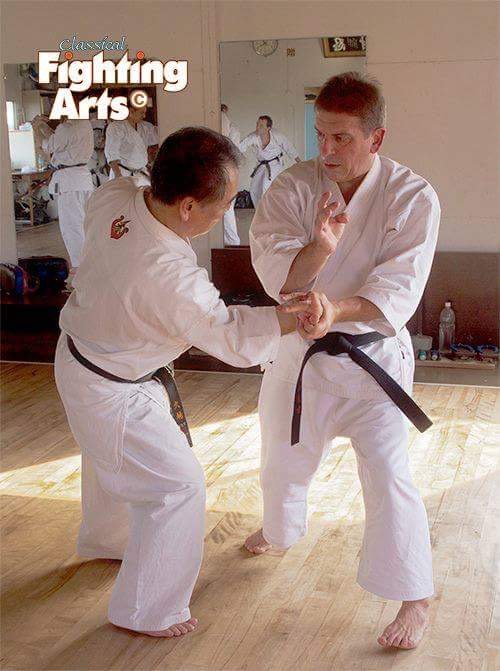
A child who tumbles across a mat and a child who practices a strong front stance are both learning more than movement. They are learning how to listen, try again, manage frustration, and take pride in progress. Parents searching karate versus gymnastics children are often not looking for a single “best” activity. They are looking for the place where their child can grow with confidence, healthy challenge, and supportive guidance.
Both karate and gymnastics can be excellent choices. The better fit depends on your child’s personality, goals, readiness, and the quality of instruction available. One child may come alive while working toward a cartwheel or back handspring. Another may gain a new sense of direction through a karate uniform, clear expectations, and the steady practice of self-control.
Karate Versus Gymnastics for Children: The Core Difference
Gymnastics is centered on athletic movement. Children develop skills such as balance, tumbling, jumping, flexibility, body control, and apparatus work. Progress often follows increasingly difficult physical skills, from foundational rolls and handstands to more advanced routines.
Traditional karate develops athletic ability too, but it places that ability inside a wider framework of character and personal responsibility. Children learn stances, blocks, strikes, movement, conditioning, and coordination. Just as significantly, they learn to bow, listen, show respect, control their reactions, and persevere through difficult practice.
Neither path is easy. Gymnastics asks a child to trust their body and face physical challenges. Karate asks a child to train their body while also practicing composure and discipline. For many families, that difference in emphasis becomes the deciding factor.
What Children Build in Gymnastics
Gymnastics gives children a powerful foundation in physical literacy. They become more aware of where their bodies are in space, which can support other sports and daily movement. A child who enjoys climbing, flipping, balancing, and testing what their body can do may feel naturally drawn to the gym.
Flexibility is another clear benefit. Regular gymnastics training can improve range of motion, core strength, coordination, and confidence in movement. Children also learn courage in a very immediate way. Trying a new skill can feel intimidating, and a good coach helps them break that challenge into manageable steps.
Gymnastics may be especially rewarding for children who enjoy fast-paced physical practice and visible skill milestones. It can also be a strong match for a child with a sincere interest in competitive routines, provided the family understands the level of time, training, and focus competition can require as skills advance.
Still, gymnastics is not automatically the best setting for every child. Some children become discouraged if they compare themselves closely to others or if a particular skill takes longer than expected. The right program will make room for individual development, not just performance.
What Children Build in Traditional Karate
Karate gives children a structured place to practice the habits parents hope will carry into school, home, friendships, and future responsibilities. A child learns that effort matters, instructions matter, and improvement comes one repetition at a time.
In a traditional dojo, progress is not only about kicking higher or moving faster. Students are expected to develop respect for instructors and classmates, humility as they learn, and self-control when they are excited, disappointed, or challenged. A belt represents work over time, not a quick reward.
Karate is also a practical outlet for energy. Children move, condition their bodies, practice coordination, and learn age-appropriate self-defense awareness. But the deeper lesson is not aggression. It is control. A well-taught karate program helps students understand that strength includes knowing when to stay calm, speak respectfully, and walk away from trouble.
This can be particularly meaningful for children who need more structure, struggle with focus, or want a sense of belonging outside of school. The routine of lining up, training with peers, receiving correction, and returning next class ready to improve can build confidence that feels earned.
At Ten Chi Jin Dojo, traditional Okinawan karate is taught as a lifelong journey of discipline, health, and character. Children are encouraged to work hard without being treated as a number in a class. The goal is to build better people alongside better martial artists.
Confidence: Performance or Personal Growth?
Both activities can make children more confident, but the source of that confidence may feel different.
In gymnastics, confidence often grows through physical achievement. A child who could not hold a handstand last month may suddenly do it with control. That visible progress can be exciting and motivating. Children who love showing what they can do may thrive on this kind of accomplishment.
In karate, confidence is often built through steady self-mastery. A quiet child may learn to stand tall, answer clearly, and take responsibility for their effort. A child who acts impulsively may learn to pause and follow directions. A child who gives up easily may discover that they can keep going through a demanding drill.
Neither form of confidence is better in every situation. Ask what your child needs most right now. Do they need a joyful physical challenge? Do they need a calmer routine, stronger focus, and positive accountability? The answer may point your family in the right direction.
Discipline and Structure Matter
All quality youth programs have rules, but karate makes discipline part of the curriculum. Students learn specific ways to enter the training space, address instructors, work with partners, and respond to correction. These expectations are not meant to make children feel small. They give children a reliable structure in which they can grow.
For parents, that structure can be valuable when a child is having trouble with listening, following through, or managing big emotions. Karate will not replace family guidance, school support, or professional help when needed. It can, however, reinforce the daily habits that help children take ownership of their behavior.
Gymnastics also requires focus and safety awareness, especially as skills become more complex. The distinction is that karate deliberately connects physical training to values such as respect, perseverance, and self-control in every class.
Safety and Physical Demands
Parents should look closely at how any program teaches safety. In gymnastics, proper progressions, trained supervision, safe equipment, and a healthy approach to flexibility are essential. Children should not be pushed into skills their bodies and confidence are not ready to attempt.
In karate, a responsible instructor teaches control from the beginning. Young students should learn technique, distance, awareness, and respect for training partners. Contact, if included at an appropriate level, should be carefully supervised and matched to the student’s age and experience.
Every activity carries some possibility of bumps, strains, or setbacks. What matters is whether the program prioritizes sound instruction over rushing children toward the next milestone. Parents should feel comfortable asking how instructors group students, introduce new skills, handle corrections, and communicate about progress.
How to Choose Between Karate and Gymnastics
Start by observing your child, not by trying to predict a perfect long-term outcome. A child who is constantly doing cartwheels in the living room may be asking for gymnastics. A child who enjoys routines, imaginative hero stories, or clear rules may be eager to try karate. These are clues, not permanent labels.
Consider your family’s goals as well. If your priority is flexibility, tumbling, and athletic exploration, gymnastics may be a natural fit. If you want physical training combined with a consistent emphasis on respect, focus, confidence, and responsibility, traditional karate may serve your child especially well.
It is also reasonable to let your child try an introductory class before making a commitment. Watch how they respond after the excitement of the first visit settles. Did they feel encouraged? Did the instructor know how to redirect children with patience? Did your child leave wanting to practice, learn, and return?
The healthiest choice is often the activity your child can attend consistently and enjoy enough to stay with through the early learning curve. Growth rarely comes from finding the easiest class. It comes from finding a supportive place where a child is challenged, known, and expected to keep moving forward.
Whether your child chooses the balance beam or the dojo floor, choose a program that sees more than athletic potential. The right mentor can help them build the courage to try, the discipline to continue, and the character to use their growing strength well.

Comments