

10 Confidence Building Activities for Teens
A teen who avoids raising a hand in class may look shy on the surface. Sometimes the real issue is deeper - fear of failure, fear of judgment, or the quiet belief that they are not ready yet. That is why confidence building activities for teens matter so much. Real confidence is not pretending to be fearless. It is learning how to act with courage, self-control, and purpose even when something feels hard.
Parents often look for a quick fix, but confidence usually grows through repeated effort. Teens need experiences that challenge them, support them, and show them they can improve. The best activities do more than create a fun afternoon. They help a young person build discipline, trust their progress, and carry themselves with greater strength in school, friendships, and everyday life.
What Actually Builds Confidence in Teen Years
Confidence is often misunderstood as personality. Some teens are naturally outgoing, and some are quiet. Both can be confident. The difference is not volume. It is whether they believe they can handle challenges, recover from mistakes, and keep moving forward.
That is why the strongest confidence building happens through action. A teen develops self-belief when they practice a skill, face discomfort, and see measurable growth. Praise helps, but it cannot replace experience. If a teen hears "you can do it" but never proves it to themselves, the words do not stick for long.
Healthy confidence also needs structure. Too much pressure can make a teen shut down. Too little challenge can leave them comfortable but unsure of what they are capable of. The goal is steady progress - enough difficulty to demand effort, enough support to make growth possible.
Confidence Building Activities for Teens That Create Real Growth
Not every activity works the same way for every teenager. Some teens gain confidence socially. Others need physical challenges or skill-based goals. What matters most is choosing activities that reward consistency and personal responsibility.
Martial arts training
Few activities teach confidence as completely as martial arts. A teen learns how to stand with awareness, move with control, and respond under pressure. Just as important, they learn that progress comes from discipline, not shortcuts.
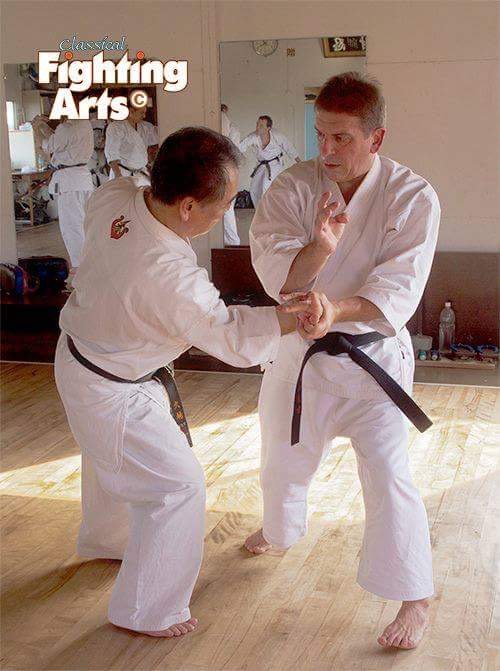
Traditional karate is especially powerful because it develops the whole person. Physical technique matters, but so do respect, patience, and self-control. Teens begin to carry themselves differently when they realize they can learn hard things step by step. They stop defining themselves by what feels awkward today and start seeing who they are becoming through practice.
This kind of training can be especially helpful for teens who need structure. In a strong dojo environment, expectations are clear, effort is honored, and students are challenged to grow without being torn down. That balance can change how a teen sees themselves.
Public speaking in small settings
Speaking in front of others can feel uncomfortable, which is exactly why it can build confidence. The key is to start small. A teen does not need a stage and a crowd. Reading a short passage, leading a discussion in class, or sharing a few prepared thoughts in a group is enough to begin.
This works because it teaches composure. Teens learn how to organize their thoughts, manage nerves, and speak clearly even when they feel exposed. Over time, they stop treating nervousness like a stop sign. They learn it can simply be part of doing something worthwhile.
Volunteer work with responsibility
Helping others can strengthen self-worth in a way that entertainment cannot. When a teen is trusted to assist with younger kids, serve at a community event, or take part in meaningful volunteer work, they begin to see that they have something valuable to offer.
Responsibility matters here. If the role is too passive, it may not build much confidence. But when a teen is counted on to show up, stay engaged, and contribute, they start to connect effort with impact. That sense of usefulness can be deeply grounding.
Goal-based fitness challenges
A clear physical goal can help teens experience progress in a very real way. That could mean improving push-ups, increasing flexibility, running a certain distance, or sticking with a regular workout routine. The specific goal matters less than the process.
Fitness challenges work best when they are personal, not performative. Some teens become discouraged if every effort turns into comparison. Confidence grows more steadily when the focus is on beating yesterday's version of themselves.
Creative performance and skill expression
Music, dance, theater, and visual arts can all help teens build confidence, especially if they have a strong inner world but struggle to express it. Creative work teaches risk. It asks a teen to make something visible, accept feedback, and keep improving.
The trade-off is that some teens may feel especially vulnerable in artistic settings. That does not make the activity wrong. It just means the environment matters. A supportive mentor can make the difference between growth and withdrawal.
Why Structured Activities Work Better Than Constant Encouragement
Encouragement is good. Teens need to know they are supported. But confidence cannot survive on encouragement alone. If a young person is protected from every challenge, they may feel cared for but still doubt their own ability.
Structured activities provide evidence. A teen attends class, practices, struggles, improves, and eventually does what once seemed out of reach. That pattern builds something stronger than temporary motivation. It builds trust in the process.
This is one reason many families choose activities with clear standards and steady mentorship. In traditional martial arts, for example, progress is visible but earned. A student is not handed a sense of accomplishment. They develop it through repetition, correction, and perseverance. That is the kind of confidence that stays with them when life gets difficult.
How Parents Can Choose the Right Activity
The best confidence building activities for teens are not always the ones a parent would have chosen at that age. Some teens need a social outlet. Some need discipline. Others need an environment where they can succeed one step at a time without constant comparison.
Start by asking what kind of challenge your teen needs most. If they avoid hard things, choose an activity with accountability. If they doubt themselves physically, choose one that develops strength and coordination. If they struggle socially, look for a setting that builds communication in a guided way.
It also helps to look at the culture around the activity. A strong environment is not one where teens are flattered all the time. It is one where they are respected, corrected, and encouraged to rise. That combination teaches resilience.
For many families in North Georgia, a traditional school like Ten Chi Jin Dojo stands out because the focus is not just on movement. It is on building better people through disciplined training, supportive instruction, and a sense of belonging that helps teens grow with purpose.
What to Watch for as Confidence Grows
Confidence often appears quietly before it becomes obvious. A teen may start making more eye contact. They may recover faster after a mistake. They may speak more clearly, volunteer more often, or stop quitting the moment something feels difficult.
These changes matter because they point to something deeper than mood. They show a teen is developing self-command. That does not mean insecurity disappears overnight. Most growth is uneven. A teen may look confident in one area and uncertain in another. That is normal.
What matters is direction. If an activity helps a teen become more responsible, more steady, and more willing to face challenge, it is doing valuable work. Confidence is not a performance. It is the quiet strength to keep stepping forward.
A teenager does not need to become the loudest person in the room to become confident. They need opportunities to train courage, practice discipline, and experience earned progress. When that happens, confidence stops being a wish and starts becoming part of who they are.

Comments