
Karate Class Versus Youth Soccer: Which Fits?
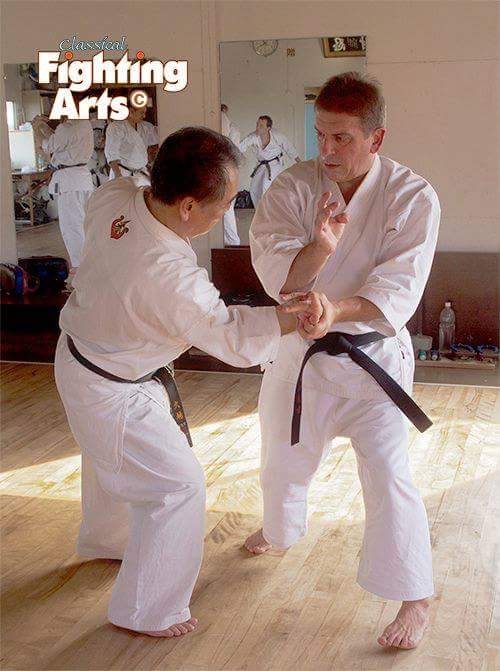
A Saturday soccer field can teach a child a great deal: how to pass, encourage a teammate, recover after a missed shot, and work toward a shared goal. A karate mat teaches its own lessons: how to listen closely, stand with confidence, practice patiently, and take responsibility for personal effort. When parents weigh karate class versus youth soccer, the better choice is rarely about which activity is “best.” It is about what your child needs most in this season of growth.
Both can build healthy, capable young people. The meaningful differences are found in the structure of the activity, the kind of motivation it asks of a child, and whether its rhythm supports your family’s values and schedule.
Karate Class Versus Youth Soccer: The Core Difference
Youth soccer is a team sport built around a common result. Children learn to read the field, coordinate with others, and contribute to a group objective. Success is shared, as are setbacks. For children who enjoy movement, friendships, and the energy of competition, that can be a powerful experience.
Traditional karate is an individual journey practiced in a community. Students train alongside one another, but each person is accountable for their own stance, focus, effort, and progress. A child cannot rely on a faster teammate to carry the moment. They learn that improvement comes through showing up, listening, repeating, and correcting.
That distinction matters for children who need help developing self-control or confidence. In karate, the student is not measured only by a scoreboard or a coach’s game-day decisions. They are guided to notice their own progress: a stronger stance, better balance, more focused attention, or the courage to try again after a correction.
Neither setting is automatically better. Soccer may be the right fit for a child who comes alive in a fast-moving team environment. Karate may be the stronger fit for a child who benefits from consistent expectations, clear boundaries, and the chance to grow at a personal pace.
What Each Activity Builds
Soccer builds teamwork under pressure
On a soccer team, children learn that their choices affect others. They practice communication, cooperation, and resilience when a game does not go their way. They also experience the joy of belonging to a group that prepares and competes together.
The challenge is that playing time, team roles, and the pace of the game can shape a child’s experience. Some children thrive when competition gives them a clear target. Others become discouraged when they feel overlooked, make public mistakes, or struggle to keep up with a rapidly changing game.
Soccer also tends to be seasonal. That can be helpful for families who want variety throughout the year, but it can interrupt momentum for a child who needs steady practice to build confidence and habits.
Karate builds personal responsibility and self-mastery
Karate gives children a structured place to practice respect, attention, perseverance, and self-control. They learn to follow instruction, work safely with others, and take ownership of their conduct. Progress is earned over time, not handed out because the season ended.
A quality traditional program does not promise instant confidence. It creates the conditions for confidence by asking students to do hard things in manageable steps. A shy child may begin by standing quietly in line, then speaking up when called on, then leading a basic exercise. A child with excess energy may learn that strength is not just moving fast. It is controlling the body and mind when it matters.
At Ten Chi Jin Dojo, traditional Okinawan karate is taught as more than physical technique. Training is a path for building better people - young people who can meet obstacles with discipline, humility, and purpose.
Consider Your Child’s Temperament, Not Just Their Interests
Parents sometimes ask, “Which one will my child like?” That is a fair question, but it is not the only one. Children often enjoy what comes easily. Growth sometimes comes from an activity that gently develops what is missing.
A highly social child may love soccer’s team energy and game-day excitement. Karate can still offer a valuable balance by teaching that child to settle, concentrate, and follow through without constant stimulation.
A reserved child may prefer karate because the environment is predictable and progress is personal. There is still friendship and community, but the child does not need to compete for attention in every moment. Over time, the discipline of training can help that student become more comfortable taking up space and speaking with confidence.
For a child who is easily frustrated, both activities can teach resilience. The difference is how that frustration appears. In soccer, it may come after a missed pass, a difficult opponent, or a loss. In karate, it may come from repeating a movement until it becomes correct. A patient instructor helps students see correction not as failure, but as instruction for the next attempt.
The Family Schedule Is Part of the Decision
Activities should strengthen family life, not leave everyone constantly overwhelmed. Youth soccer often includes practices, games, travel, changing team schedules, and weather-related adjustments. Many families enjoy that rhythm and the shared excitement around a season.
Karate classes usually offer a more dependable weekly routine. That consistency can be especially helpful when a child is working on focus, behavior, or physical confidence. Regular training gives them a familiar place where expectations remain steady from week to week.
Consider what your family can sustain without resentment. A child gains more from an activity they can attend consistently than from one that sounds ideal but creates ongoing stress. Ask whether your child needs a seasonal outlet, a year-round developmental practice, or a thoughtful combination of both.
Can a Child Do Both Karate and Soccer?
Yes, and for some children, the combination works very well. Soccer offers a team setting and cardiovascular endurance. Karate develops body awareness, balance, coordination, flexibility, and mental discipline. The focus learned in the dojo can carry onto the field, while the teamwork learned in soccer can enrich a child’s relationships in class.
Still, more activities are not always better. Children need unstructured time, rest, school focus, and family connection. If doing both causes exhaustion or turns every week into a rush, choose the activity that most clearly supports your child’s current needs.
A good test is to watch your child after several weeks. Are they tired in a healthy way but proud of their effort? Do they talk about what they are learning? Are they becoming more responsible at home, more respectful with others, or more willing to work through difficulty? Those changes matter more than a crowded calendar.
Look Beyond the Uniform and the Scoreboard
The decision between karate and soccer should not come down to whether your child looks more excited in a gi or a jersey. Look at the culture surrounding the activity. Are adults setting clear expectations? Is effort recognized? Are children treated with dignity while still being held accountable? Does the environment help your child feel safe enough to be challenged?
In either activity, the right mentors make a lasting difference. Children remember the adults who taught them to keep going when practice felt hard, to respect others, and to carry themselves with character when nobody was applauding.
Choose the path that gives your child room to move, belong, and become more capable. Then give them enough time to face the first hard days, practice through them, and discover the quiet confidence that comes from not giving up.

Comments