
Best Habits Students Learn in a Dojo
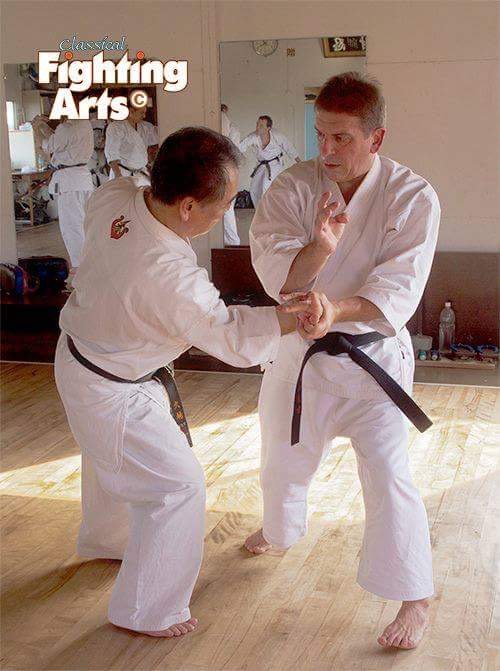
A student who bows onto the floor, listens for instruction, and returns after a difficult class is practicing far more than karate. The best habits students learn in dojo training are built through repeated choices: stand with attention, try again, treat others with respect, and take responsibility for the effort you bring. Those choices can shape how a child handles schoolwork, friendships, family responsibilities, and future challenges.
At Ten Chi Jin Dojo, traditional karate is not simply about learning techniques. It is a place to build better people through patient instruction, clear standards, and a family culture where each student has room to grow. Progress may show up in stronger stances and sharper movements, but its deeper value often appears away from the training floor.
Why Dojo Habits Matter Beyond Karate
Children and teens receive messages all day that speed, entertainment, and natural talent are what matter most. A dojo offers a different lesson. Real progress comes from showing up, paying attention, practicing with purpose, and continuing when something feels hard.
That structure can be especially valuable for families seeking an activity with direction. Karate gives students a clear path: learn the basics, practice them carefully, accept correction, and earn the next level through consistent work. Adults benefit from the same process. A busy schedule does not remove the need for discipline. It makes discipline more useful.
The goal is not to create perfect students. Everyone has distracted days, frustrating classes, and techniques that take longer to understand. The habit is learning what to do next: reset, listen, and make the next effort a better one.
The Best Habits Students Learn in a Dojo
Showing respect through action
Respect in karate is visible. Students bow, wait for instruction, care for the training space, and recognize the effort of their training partners. These actions are not empty routines. They teach students that how they enter a room, speak to others, and respond to guidance matters.
For younger students, respect can begin with simple skills such as making eye contact, answering clearly, and keeping hands to themselves. For teens and adults, it can mean training responsibly with people of different ages, abilities, and experience levels. A strong dojo does not confuse respect with fear. Students should feel safe asking questions and making mistakes while still understanding that standards matter.
At home, this habit may look like following through when asked to complete a chore or speaking calmly when frustrated. At school, it can help a student receive feedback without shutting down. Respect becomes a daily practice, not something reserved for a formal occasion.
Focusing on the task in front of them
Karate demands attention. A student must notice foot position, breathing, posture, timing, and the instructor's direction. When the mind races ahead or drifts away, the body often loses its form. Returning attention to one movement at a time is a skill that becomes stronger with practice.
This does not mean students will suddenly enjoy every homework assignment or sit perfectly still for hours. Focus is not a switch. It is the ability to notice distraction and return to the work that needs to be done. A child who learns to finish a drill before asking what comes next is building the same muscle needed to read a chapter, study for a test, or complete a responsibility at home.
The trade-off is that focused training can feel slower than rushing through a new skill. In traditional karate, slower is often wiser. Careful repetition gives students a foundation they can trust. Over time, they learn that concentration is not punishment. It is how meaningful improvement happens.
Choosing perseverance over excuses
Some days a stance feels uncomfortable. A kata does not come together. A student may watch someone else advance more quickly and wonder whether the effort is worth it. These are the moments when perseverance begins to take root.
A dojo teaches students to separate temporary difficulty from permanent inability. Not getting it yet is different from not being able to get it. With appropriate coaching and steady practice, students learn to face discomfort without allowing it to define them.
This lesson should be handled with wisdom. Perseverance is not ignoring injury, exhaustion, or a need for help. Good martial arts instruction teaches students to communicate, use proper form, and respect their limits. The discipline is not to push recklessly. It is to keep an honest commitment to growth.
Parents often see this habit surface in small but meaningful ways. A student may return to a math problem instead of giving up immediately, practice an instrument a few extra minutes, or recover more quickly after disappointment. Karate cannot remove every obstacle, but it can teach students that obstacles are places where character is tested and strengthened.
Accepting correction with humility
Few habits are more valuable than learning how to be corrected well. In the dojo, an instructor may adjust a student's posture, point out a missed detail, or ask for another attempt. The correction is not a personal attack. It is an investment in the student's potential.
Students who accept coaching learn to replace defensiveness with curiosity. Instead of asking, “Why was I told I was wrong?” they begin asking, “What can I improve?” That change in mindset carries weight in classrooms, workplaces, teams, and families.
Humility does not require students to think poorly of themselves. It means having enough confidence to admit that there is more to learn. In fact, the most capable martial artists often remain the most willing to practice fundamentals. They understand that growth has no finish line.
Building self-control before reacting
Karate develops power, but it also teaches when not to use it. Students learn to control their bodies, manage their energy, and respond to instruction rather than impulse. That restraint is one of the most practical lessons martial arts can offer.
A student will still feel anger, embarrassment, or disappointment. The purpose is not to erase those emotions. The purpose is to create a pause between feeling and action. Breathing, standing still, listening, and choosing a respectful response are all forms of strength.
For families, this habit can make a genuine difference in everyday conflict. A child who is learning self-control may not stop reacting overnight, but they can become more aware of their choices. Teens can carry that awareness into peer pressure and stressful situations. Adults can bring it into demanding workdays and family life. The dojo becomes a place to practice calm decision-making under pressure.
Keeping commitments through consistency
Confidence is often misunderstood as a loud personality or a feeling that arrives before action. In karate, confidence is earned more quietly. It grows when students remember that they came to class, practiced through uncertainty, and improved because they did not quit.
Consistency matters more than occasional bursts of motivation. One excellent class is encouraging, but a pattern of attendance and effort changes a student over time. This is why families should choose a training schedule that is realistic. A child with a full calendar may need help protecting time for practice and rest. The right routine is one that can be sustained.
As students keep commitments, they learn to trust themselves. They see that improvement is not reserved for the most naturally athletic person in the room. It belongs to the person who continues to learn.
A Habit Takes Root in Community
No student builds character alone. Training partners offer examples. Instructors set expectations. Parents reinforce the same values at home. When those influences work together, students experience the steady encouragement of a village rather than the pressure of having to figure everything out by themselves.
That is why the culture of a dojo matters. Students need challenge, but they also need belonging. They should know that effort is noticed, progress is celebrated, and mistakes are part of the path. A respectful training community makes it easier to choose the habits that are difficult at first.
The next time your child ties on a belt or steps onto the floor, look beyond the technique being practiced. A focused stance, a respectful bow, and one more honest attempt may seem small in the moment. Given time, those are the choices that help a student take control of their journey and carry stronger character into every part of life.

Comments