
Martial Arts or Dance: Which Builds More?
A child walks out of their first class with something more valuable than a tired body. They may stand a little taller, speak a little more clearly, or feel proud that they stayed with something unfamiliar. When parents weigh martial arts or dance, they are usually not just choosing an after-school activity. They are choosing an environment that will shape habits, friendships, confidence, and character.
Both paths offer real benefits. Dance develops expression, rhythm, coordination, and performance confidence. Traditional karate develops focus, self-control, practical body awareness, and the discipline to keep working through challenge. The best choice depends on your child, your family’s goals, and the kind of growth you hope training will encourage.
Martial Arts or Dance: Start With Your Child
It is tempting to choose based on what seems most useful, what friends are doing, or what fits a familiar idea of childhood activities. A better starting point is to notice how your child responds to structure, movement, and new situations.
A child who lights up when music starts, enjoys telling stories through movement, or looks forward to being on stage may feel at home in dance. Dance can give them a meaningful outlet for creativity while teaching them how to practice, listen, and contribute to a group.
A child who wants clearer boundaries, enjoys learning forms and techniques, or needs a constructive way to channel big energy may connect deeply with karate. In a well-led dojo, students learn that strength is not loud or reckless. It is the ability to listen, control impulses, show respect, and continue when a skill takes time.
Neither choice needs to become a label. A quiet child may thrive in a dance recital. An energetic child may find calm in a karate stance. The goal is not to predict who they are forever. It is to give them a healthy place to grow.
What Each Activity Teaches Beyond Movement
Dance and martial arts both require commitment. Students must show up, pay attention, repeat skills, and accept correction. Those lessons carry into school, family life, and future responsibilities.
Dance often places a strong emphasis on timing, body control, expression, and ensemble work. A student learns that their individual effort affects the whole group. They may develop poise through rehearsals and learn courage by performing in front of an audience.
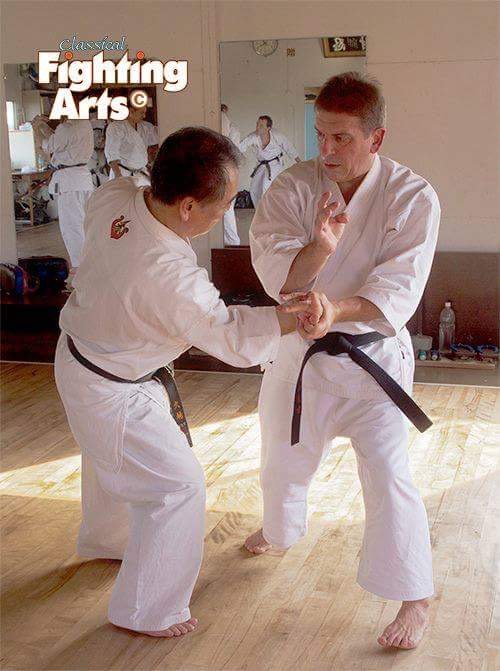
Traditional martial arts also build coordination and flexibility, but the training framework is different. Karate asks students to develop awareness of posture, breathing, balance, distance, and technique. They learn forms, called kata, that require concentration and precision. They practice with partners in a controlled setting where respect and restraint are non-negotiable.
For many families, the greatest distinction is the way karate makes character training explicit. Courtesy is practiced. Focus is practiced. Self-control is practiced. A student is not expected to arrive with these qualities already developed. They build them one class, one correction, and one choice at a time.
Confidence Looks Different in Each Setting
Dance confidence can grow through self-expression and performance. A student who once hesitated to be seen may discover the courage to step into the spotlight. That is meaningful growth.
Karate confidence is often quieter at first. It may show up when a child makes eye contact, answers with a clear voice, ties their belt independently, or remains composed after making a mistake. Over time, students learn that confidence does not mean never feeling nervous. It means choosing a respectful, steady response even when they do.
That distinction can be especially valuable for children who struggle with frustration, uncertainty, or peer pressure. Martial arts give them a place to practice calm under guidance, then carry that skill into everyday life.
Fitness, Flexibility, and Healthy Energy
Both dance and karate are active choices in a world that gives children many reasons to sit still. Regular movement supports coordination, mobility, strength, and emotional well-being.
Dance may offer more continuous movement tied to music and choreography. Depending on the style, it can build endurance, flexibility, balance, and athletic grace. Students often gain a strong sense of rhythm and body expression.
Karate develops fitness through a mix of stances, strikes, blocks, kicks, conditioning, balance drills, and forms. The pace can vary from focused stillness to high-energy training. Students learn how to move with purpose rather than simply moving fast. They also learn to respect their bodies by using control instead of careless force.
For teens and adults, this can be a deciding factor. Some people want a creative performance outlet. Others want a lifelong discipline that connects fitness with practical awareness, stress management, and personal responsibility. There is room for both, but the experience feels different.
The Role of Structure and Community
Every child benefits from adults who hold high standards while offering encouragement. Whether you choose martial arts or dance, look closely at the culture of the program.
Ask whether instructors know students as people, not just names on a roster. Notice how corrections are delivered. Is the environment organized, safe, and welcoming? Are children encouraged to support one another? Does the program help students develop responsibility, or does it focus only on a performance or a trophy?
At a traditional karate school, rank can provide a clear developmental path. A belt is not simply a reward for attendance. It represents skills practiced, standards met, and growth earned over time. For many children, that structure is motivating because progress is visible but never automatic.
A family-centered dojo also creates an opportunity for students of different ages to learn alongside one another. Younger children see examples of maturity. Teens can become positive leaders. Adults have a place to challenge themselves while modeling perseverance for their families. That village-style culture can turn training into something more enduring than a weekly appointment.
When Karate May Be the Better Fit
Karate may be a particularly strong choice if your child needs help with focus, listening, emotional regulation, or follow-through. It can also serve children who are not drawn to traditional team sports but still need purposeful physical activity and connection.
The right program will not promise an overnight transformation. Character takes repetition. A child may resist correction before they learn to value it. They may need time to become comfortable speaking up or trying a difficult technique. With patient instruction and consistent attendance, those small moments become evidence that they can handle hard things.
For parents in Dalton, Varnell, and nearby North Georgia communities, choosing a traditional dojo can also mean choosing a place where the expectations of home and training reinforce each other. Respect, responsibility, effort, and kindness should not be left at the door when class ends.
Can Your Child Do Both?
Yes, if their schedule, energy, and interest allow it. Dance and martial arts can complement one another beautifully. Dance may improve fluidity, flexibility, rhythm, and stage comfort. Karate may strengthen balance, concentration, posture, and self-discipline.
The trade-off is commitment. Children need unstructured time, rest, family time, and space to be children. Taking on too many activities can turn meaningful growth into constant rushing. It is usually better to participate consistently in one or two activities than to fill every afternoon with obligations.
Give a new activity enough time to become familiar before making a judgment. The first few classes can feel awkward for anyone. Watch for signs of healthy challenge: your child may be tired, but proud; corrected, but encouraged; nervous, but willing to return. Those are often the early signs of a place where growth is happening.
The question is not whether martial arts or dance is universally better. It is whether the program in front of your family will help your child become more capable, respectful, resilient, and connected. Choose the path that gives them room to work hard, belong fully, and discover the strength they can carry into every part of life.

Comments