

Why Train in Traditional Karate Today?
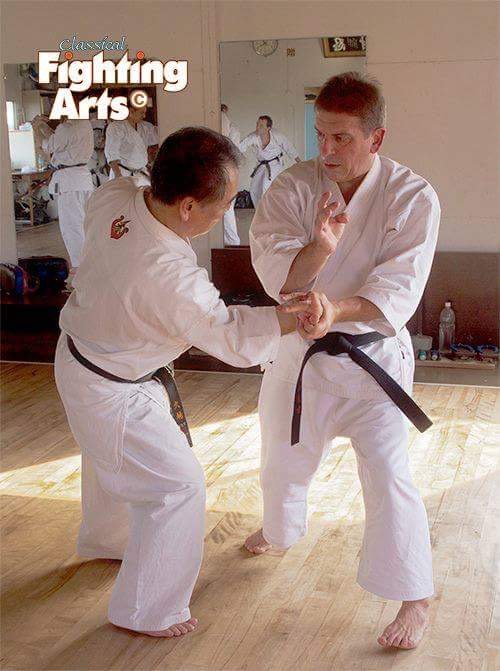
A child who struggles to focus in class, a teen who needs stronger self-discipline, an adult who feels mentally scattered - these are often the real reasons people start asking why train in traditional karate. The answer is bigger than kicks and punches. Traditional karate gives people a way to build themselves on purpose, with structure, accountability, and steady progress that carries into daily life.
That difference matters. Plenty of activities can make you sweat. Fewer can help you become calmer under pressure, more respectful in how you carry yourself, and more confident without becoming careless. Traditional karate is not just activity. It is formation.
Why train in traditional karate instead of just working out?
Exercise is valuable, and there is nothing wrong with joining a gym, running, or playing a sport. But traditional karate offers something many fitness routines do not. It connects physical training to character training.
When students practice correct posture, breathing, balance, and technique, they are also practicing patience. When they repeat basics with attention to detail, they are learning discipline. When they bow, listen, and train with partners safely, they are learning respect and self-control. Those lessons are not side benefits. They are built into the method.
For parents, this is often the deciding factor. A child may need more than a place to burn energy. They may need a place where expectations are clear, where effort matters, and where adults consistently reinforce responsibility. For teens and adults, the same principle applies. You do not just leave class tired. You leave more centered.
Traditional karate teaches strength with control
One of the most misunderstood parts of martial arts is the idea of toughness. Some people hear the word and imagine aggression. Authentic karate teaches the opposite. It teaches students how to develop power without losing control of themselves.
That matters at every age. Children need to learn that being strong does not mean being reckless. Teens need an outlet that challenges them while teaching restraint. Adults often need to reconnect with discipline in a world that rewards distraction and reaction.
In traditional karate, control is part of every lesson. Students learn when to move, when to stop, when to speak, and when to listen. Over time, that creates a kind of quiet confidence. It is not loud or showy. It is steady. You can see it in the way a student stands, responds, and handles difficulty.
Why train in traditional karate as a family?
Families are often searching for activities that build more than skill. They want an environment that supports healthy habits, positive relationships, and meaningful growth. Traditional karate fits that need especially well because it gives each family member a path while still reinforcing shared values.
A young child may begin by learning how to follow directions and stay on task. A teen may be working on resilience, confidence, and personal responsibility. An adult may be rebuilding fitness, mobility, or mental discipline. The goals are different, but the foundation is the same - respect, effort, humility, and perseverance.
That shared foundation creates a stronger family culture. When children and parents value discipline together, progress tends to last longer. The lessons from class start showing up at home, at school, and in everyday decisions. Families do not just attend together. They grow together.
The value of authentic tradition
Not all karate training is the same, and that is worth saying clearly. Traditional karate is rooted in a lineage, a method, and a purpose that go beyond entertainment. It preserves principles that have been tested across generations - sound movement, real discipline, and a serious approach to personal development.
For students, this means training has depth. Techniques are not taught just to look impressive. They are practiced with precision and understanding. Basics matter. Form matters. Etiquette matters. Progress is earned, not rushed.
There is a trade-off here, and honest families usually appreciate hearing it. Traditional karate may feel slower at first than programs built around constant novelty or quick rewards. Students repeat fundamentals often. Standards stay high. But that slower, more deliberate pace is exactly what builds real skill and lasting confidence. When progress comes through effort, it means more.
At Ten Chi Jin Dojo, that commitment to authentic Okinawan tradition gives families a clearer path. Students are not stepping into a generic class experience. They are entering a disciplined environment shaped by real martial arts lineage and guided by the idea that training should help build better people.
Confidence grows differently here
A lot of programs promise confidence, but the kind of confidence developed in traditional karate is specific. It is not based on empty praise. It comes from doing hard things consistently.
A student learns a stance that once felt uncomfortable. They improve their focus during instruction. They complete a drill that challenged them a month ago. They stand in front of others and demonstrate what they have learned. Bit by bit, they stop doubting themselves so easily.
This is especially important for children who are shy, frustrated, or easily discouraged. Traditional karate does not force instant transformation. It gives them a structure where small wins add up. Over time, they begin to trust their own effort. That trust becomes confidence.
Adults benefit from this too. Many adults come to martial arts carrying stress, self-doubt, or years of putting their own development on hold. Training offers a way to return to growth with humility and purpose. You do not have to be naturally athletic to begin. You do have to be willing to show up, listen, and work.
Focus, discipline, and emotional steadiness
One reason parents continue choosing traditional karate is that the results often show up outside the dojo. Students become better at listening. They recover faster from frustration. They learn to take correction without falling apart. These are life skills.
Karate helps because it asks for attention in a very concrete way. A student must watch closely, remember details, manage their body, and respond with control. They cannot stay scattered for long and still improve. The training itself teaches focus.
It also teaches emotional regulation. Not every class feels easy. Some days a student struggles. Some techniques take time. Some corrections are uncomfortable. Working through that process helps students become more resilient. They begin to understand that difficulty is not failure. It is part of growth.
That lesson is valuable whether your child is preparing for school challenges, your teen is navigating pressure, or you as an adult are trying to become more grounded in everyday life.
Fitness with purpose
Traditional karate also develops physical ability in a balanced, practical way. Students work on coordination, flexibility, endurance, posture, timing, and body awareness. The body becomes stronger, but not in a random way. Training teaches how to move with intention.
For children, this can improve general athletic ability and confidence in movement. For teens, it provides a demanding outlet that still reinforces discipline. For adults, it can be an excellent way to improve mobility, conditioning, and mental sharpness at the same time.
That said, goals matter. If someone only wants a casual workout with minimal structure, traditional karate may feel demanding. It asks for consistency and attention. But for students who want fitness that connects to personal growth, it offers much more than exercise alone.
A community that expects the best from you
The right dojo does more than teach technique. It creates a culture where people are encouraged, corrected, and challenged in healthy ways. That can make a major difference for both children and adults.
In a strong traditional setting, students know they belong, but they also know they are accountable. Instructors care about their progress. Training partners matter. Respect is lived out, not just talked about. That environment gives students something many people are missing - a place where growth is expected and supported.
For families in Dalton, Varnell, and surrounding North Georgia communities, that kind of training can become more than an extracurricular activity. It becomes a stable part of life. Students gain mentors. Parents gain a setting that reinforces the values they are trying to build at home. Everyone benefits from being part of something purposeful.
Why this choice lasts
People often begin karate for one reason and stay for another. A parent may enroll a child for focus, then realize the greater gift is confidence and maturity. An adult may start for fitness, then discover a deeper sense of discipline and calm. A teen may come for challenge, then find identity and direction.
That is why train in traditional karate is such an important question. The answer is not just self-defense, or exercise, or rank advancement. It is the chance to train in a way that shapes the whole person.
If you are looking for an activity that asks more from you or your child, that is a good thing. Growth usually begins there. Choose a path that builds strength with humility, confidence with self-control, and skill with character. Years from now, the value of that decision will not be measured only by what happened in class, but by the person it helped form.

Comments