
Best Ways to Teach Respect That Children Carry
A child who says “yes, ma’am” but rolls their eyes, ignores a sibling, or blames everyone else after a mistake has learned manners, not respect. The best ways to teach respect reach deeper than polite words. They help children understand that their choices affect other people, their family, and the kind of person they are becoming.
Respect is not fear, silence, or instant agreement. A respectful child can disagree, ask questions, and express frustration. They can also listen, speak with self-control, accept correction, and treat people with dignity when emotions run high. That kind of character takes repetition, guidance, and adults willing to practice the same standard themselves.
Start by Defining What Respect Looks Like
Children cannot consistently meet a value that stays vague. “Be respectful” may mean one thing to a parent and something entirely different to a seven-year-old who is tired, disappointed, or eager to keep playing. Put respect into clear, observable actions.
At home, respect can mean looking at the person who is speaking, using an appropriate tone, following through on a reasonable instruction, taking care of shared belongings, and giving others room to finish a sentence. It also means telling the truth when the truth is uncomfortable. When children know what the standard looks like, correction feels less like personal criticism and more like coaching.
Be specific in the moment. Instead of saying, “That was disrespectful,” try, “You may be upset, but you may not shout at your brother. Take a breath, then tell him what you need.” The first statement labels the problem. The second teaches a better response.
This matters for teenagers as much as younger children. Teens need room to develop their own opinions and make age-appropriate decisions. Respect does not require them to become passive. It asks them to handle disagreement with honesty, restraint, and consideration.
Model the Best Ways to Teach Respect Every Day
Children learn more from the atmosphere of a home than from a lecture after something goes wrong. If adults interrupt, insult, break promises, or speak harshly when frustrated, children receive a powerful lesson, even if the words say otherwise. Modeling respect is demanding because it asks parents and mentors to practice self-control when they are tired too.
Let children see what respectful correction sounds like. Speak firmly without humiliating them. If you make a mistake, own it plainly: “I was frustrated, and I spoke too sharply. I am sorry. I should have handled that better.” An honest apology does not weaken authority. It shows that responsibility belongs to everyone in the family.
Also model respect for people outside the home. The way you speak to a cashier, a coach, a neighbor, or an older relative teaches children who deserves patience. The right answer is everyone. Respect is not reserved for people who are easy to like or who can offer something in return.
Use Tone as a Teaching Tool
Tone often becomes the real battle. A child may complete a chore but answer with sarcasm, or a parent may give a fair instruction in a voice that escalates the conflict. Pause long enough to separate the request from the emotion around it.
A useful family standard is simple: we can have big feelings, but we cannot use them as permission to be cruel. Children need permission to feel disappointed, angry, embarrassed, or left out. They also need training in what to do next. A calm reset, a drink of water, a few slow breaths, or time apart can prevent a hard moment from becoming a disrespectful habit.
Give Responsibility a Real Place in Family Life
Respect grows when children recognize that they are part of a team, not the center of every decision. Meaningful responsibilities teach this better than repeated reminders ever can. A child who helps prepare dinner, puts away equipment, cares for a pet, or cleans up after an activity learns that shared spaces and shared work matter.
The task should match the child’s age and ability. Younger children can sort laundry, set napkins on the table, or return books to a shelf. Older children can manage more complex household jobs and be accountable for completing them without repeated chasing. The goal is not perfection. The goal is contribution.
Avoid turning every responsibility into a negotiation. Children should have choices when choices are appropriate, but family membership comes with duties. When adults carry every burden while children are treated only as consumers of time, attention, and resources, gratitude is harder to develop.
Follow-through matters here. If a responsibility is ignored, use a calm and connected consequence. The child may need to pause a preferred activity until the task is completed, repair what was left undone, or help restore the inconvenience caused. Consequences should teach cause and effect, not create shame.
Teach Children How to Repair Mistakes
No child will show respect perfectly. Neither will any adult. The lasting lesson is what happens after a poor choice.
A rushed “sorry” can become another way to escape accountability. Help children learn the full shape of repair: identify what happened, acknowledge who was affected, offer a sincere apology, and take a practical step to make things right. If they broke something, they help fix or replace it. If they hurt a sibling with words, they give space, apologize without excuses, and practice a better way to speak.
Do not force an immediate apology from a child who is still overwhelmed. A demanded apology may produce words without understanding. Give them time to regain control, then return to the issue. The boundary remains firm, but learning becomes more likely when a child is calm enough to think.
This approach also helps children separate their identity from their behavior. “You made a disrespectful choice” leaves room for growth. “You are disrespectful” can make a child feel trapped in the label. Strong character develops when children believe they can choose better and are expected to do so.
Create Practice, Not Just Conversations
Respect becomes dependable through practice in ordinary moments. Family meals, car rides, chores, games, and transitions all offer opportunities. Ask children to greet adults clearly, wait their turn, listen without cutting in, and thank people who help them. These small habits build a foundation for harder moments later.
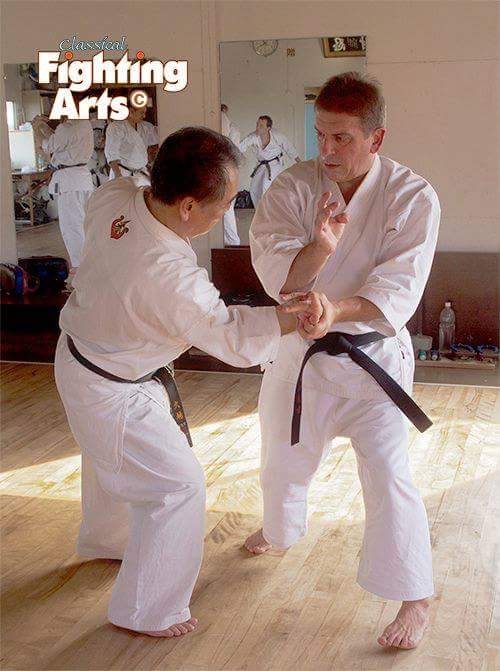
Traditional martial arts offers another valuable practice environment. Students learn to enter with focus, listen carefully, care for the training space, and show consideration for training partners. They discover that self-control is not weakness. It is the strength to choose discipline when excitement, frustration, or competition might pull them another way.
At Ten Chi Jin Dojo, respect is part of the training floor because character and skill cannot be separated. A student may work hard to improve a stance or technique, but they are also learning how to accept guidance, encourage others, and carry themselves with purpose. Those lessons have value long after class ends.
Hold a Steady Standard Without Making Home a Battlefield
Consistency does not mean correcting every minor annoyance with the same intensity. Parents should choose their moments. A child who forgets to say “thank you” may need a gentle reminder. A child who insults a family member, refuses a reasonable direction, or damages property needs a firmer response and a chance to repair.
It also depends on what is beneath the behavior. Hunger, exhaustion, anxiety, and major changes can make self-control harder, especially for younger children. Understanding the reason does not erase the boundary, but it can shape the response. A child may need rest, connection, or help naming a feeling before they can practice the expected behavior.
The goal is a home where children know two things at once: they are deeply loved, and they are responsible for how they treat people. That combination gives respect its roots. Keep the standard clear, correct with calm purpose, and give your child regular chances to contribute, repair, and try again. Those daily choices can shape a person who carries respect into every room they enter.

Comments