
Child Focus Improvement Through Karate Training
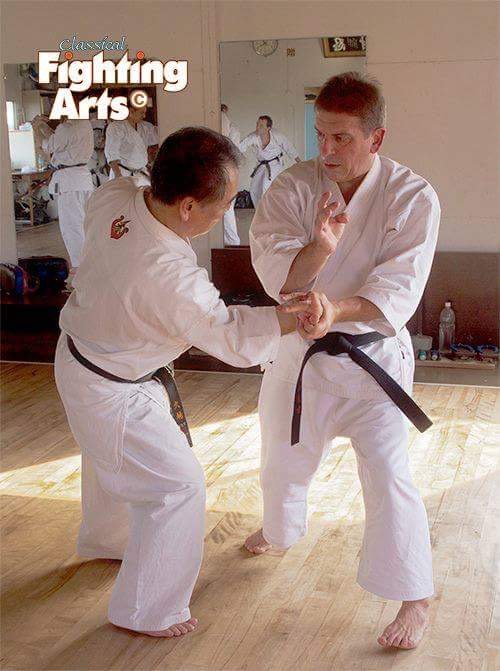
A child who drifts away from homework, interrupts directions, or gives up when a task feels hard does not necessarily need more pressure. They may need a place to practice attention in a clear, repeatable way. Child focus improvement through karate begins with a simple pattern: listen carefully, move with purpose, finish the task, and return ready for the next instruction.
For many families, that pattern is more valuable than another activity on the calendar. Traditional karate gives children structure without taking away their joy. It asks them to stand with respect, learn one skill at a time, and keep trying when a technique does not work immediately. Over time, those small expectations can become habits that support schoolwork, responsibilities at home, and confidence in social settings.
Why focus is more than sitting still
Focus is not the same as silence. A focused child can listen, follow a sequence, control an impulse, and bring their attention back after a distraction. Those are learned skills, especially for young children whose energy, curiosity, and emotions are all developing at once.
Karate gives those skills a physical home. When an instructor calls for a stance, a block, or a change in direction, students must notice the instruction and respond with their whole body. They cannot complete a form well by rushing ahead or watching someone else. The work asks for presence.
This matters because children often understand focus better when they can feel it. “Pay attention” can sound vague. “Eyes forward, feet in position, wait for the next command” is concrete. With steady practice, children begin to recognize that attention is something they can choose and strengthen.
How child focus improvement through karate takes shape
Traditional karate classes are built around routines. Students enter respectfully, line up, listen for instruction, practice skills, and close class with the same sense of order. That consistency helps reduce uncertainty. A child who knows what is expected can spend less energy wondering what comes next and more energy practicing self-control.
The pace also matters. Good instruction does not flood a child with ten corrections at once. A student may first learn where to place their feet, then how to hold their hands, then how to breathe and move with balance. Breaking a complex task into manageable pieces teaches an important lesson: progress comes from paying attention to the next right step.
Repetition has a purpose, too. Practicing a stance or basic movement again and again is not punishment or busywork. It gives children the chance to notice details, correct themselves, and see that disciplined effort creates improvement. That experience can be especially meaningful for children who are used to quitting when they are not instantly good at something.
Attention, self-control, and respect work together
A well-run karate class teaches more than movement. Students learn to wait until it is their turn, keep their hands and bodies under control, and respond appropriately when corrected. Respect for the instructor and classmates becomes a practical form of focus.
That does not mean children must be perfect. They will lose their place, get excited, laugh with a friend, or struggle after a long day at school. The goal is not flawless behavior. The goal is learning how to reset. A compassionate instructor can acknowledge the mistake, give a clear direction, and help the child return to the work without shame.
This balance of high standards and steady encouragement is where character grows. Children learn that discipline is not someone else controlling them. It is the ability to take responsibility for their own actions, even when their feelings are big or their attention wanders.
The role of physical challenge
Many children concentrate more effectively when their bodies have a purposeful job to do. Karate training develops coordination, posture, balance, flexibility, and controlled strength. It also gives students a healthy way to use energy that might otherwise show up as restlessness.
A challenging drill can reveal how a child responds when something feels difficult. Do they rush? Stop trying? Become frustrated? These moments are valuable when handled with patient guidance. The student can learn to take a breath, adjust their position, listen to one correction, and try again.
That is not a promise that karate will solve every attention concern. Focus can be affected by sleep, stress, learning differences, nutrition, family changes, and many other factors. When a child is having significant or ongoing difficulty, families may need support beyond an extracurricular activity. Karate works best as one meaningful part of a child’s larger support system.
What parents may notice outside the dojo
The first changes are often small. A child may begin putting shoes away after class without being reminded. They may hold eye contact a little longer when receiving instructions, speak more respectfully when frustrated, or stay with a homework task for several additional minutes.
These moments deserve recognition. Instead of only praising outcomes like a completed worksheet or a new belt, parents can praise the process: “You kept working even when that was frustrating,” or “You stopped, listened, and tried again.” This connects the discipline practiced in karate to everyday life.
It also helps to use the same language at home. If a child hears “ready position,” “one step at a time,” or “take a breath and reset” in class, those phrases can become familiar tools during morning routines, homework, and sibling disagreements. Keep the tone calm and direct. The goal is to guide, not turn home into another class.
Choosing the right karate environment
Not every martial arts experience produces the same results. For child focus improvement through karate, the environment should be organized, age-appropriate, and rooted in respectful instruction. Children need enough challenge to grow, but they also need to feel safe asking questions and making mistakes.
Look for a school where instructors know students by name, explain expectations clearly, and treat parents as partners in a child’s development. A class should have energy, but not chaos. It should celebrate effort and progress while still teaching students that respect, attention, and consistent attendance matter.
Traditional Okinawan karate can be particularly valuable for families seeking a long-term path rather than a quick reward. Its emphasis on basics, forms, breathing, posture, and self-control gives children a framework they can continue building over the years. At Ten Chi Jin Dojo, that framework is supported by a family-centered culture that aims to build better people alongside stronger martial artists.
Consistency matters more than intensity
A child does not need to train every day to benefit. What matters most is showing up regularly and allowing time for the routines to become familiar. A few weeks may help a child feel more comfortable in class, but deeper changes in attention and self-control usually come through months of steady practice.
Parents can support that process by protecting class time when possible, asking one specific question after training, and avoiding the urge to measure progress only by rank or visible athletic skill. Ask what your child practiced, what felt challenging, or when they showed good control. Their answers may reveal growth that a belt test cannot capture.
There will be days when a child does not feel motivated. That is part of the lesson. Learning to honor a reasonable commitment, while still communicating honestly about fatigue or frustration, helps children understand that discipline is a choice they make repeatedly.
A focused child is not a child who never wiggles, wonders, or loses track. A focused child is learning how to return. Give them a place where returning is practiced with patience, purpose, and respect, and that skill can travel with them far beyond the training floor.

Comments