
Can Karate Improve Listening Skills for Kids?
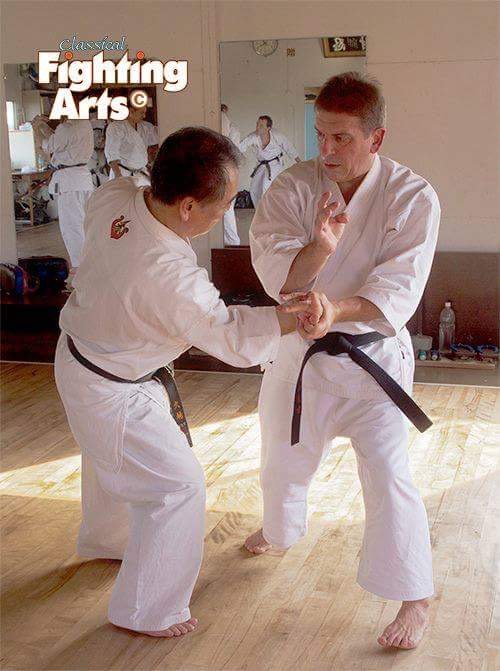
A child is standing in line, waiting for the next drill to begin. Their instructor gives one direction: feet together, eyes forward, listen. There is no need to shout, rush, or guess. The student who pauses, pays attention, and follows through learns something that reaches far beyond the dojo floor. So, can karate improve listening skills? It can, especially when training is consistent, purposeful, and reinforced with the same expectations at home.
Listening is not simply being quiet while someone else speaks. It is the ability to give attention, understand what is being asked, manage the impulse to react, and respond appropriately. Traditional karate gives students repeated opportunities to practice all of those habits in a structured and encouraging setting.
Why karate asks students to truly listen
Karate instruction is built on sequence, detail, and respect. A student may need to hear the name of a stance, watch a demonstration, remember which side moves first, and act only after the instructor gives a signal. Missing one part can change the entire exercise.
That structure makes listening practical. Students quickly see that attention helps them feel prepared. It helps them move safely with training partners. It helps them make progress in kata, drills, and rank requirements. Rather than hearing adults repeat, “Pay attention,” they experience why attention matters.
For younger children, this may begin with short, clear directions: line up, bow, ready position. As students grow, instructions become more layered. They may be asked to remember a combination, adjust their posture, work at a controlled pace, and show awareness of the people around them. The expectation rises gradually, giving each student room to build confidence instead of feeling overwhelmed.
Can karate improve listening skills outside the dojo?
The habits practiced in karate can carry into school, family life, and other activities. A student who learns to stop, face the speaker, and wait for complete instructions may be better prepared to handle a teacher’s directions, a coach’s feedback, or a parent’s request.
Still, karate is not a shortcut or a guarantee. Listening challenges can come from many places, including stress, tiredness, developmental differences, anxiety, or difficulty processing information. A martial arts class cannot replace professional support when a child needs it. What it can provide is a steady environment where students practice focus, self-control, and respectful response week after week.
The transfer to daily life also depends on connection. When parents notice and name the behavior they want to see, children begin to understand that dojo discipline belongs everywhere. A simple comment such as, “You listened carefully before you started that drill, and you did the same thing when I asked you to put your shoes away,” makes the lesson real.
The karate habits that support better listening
Stillness before action
Many listening problems are really impulse-control problems. A child hears the beginning of a direction and moves before hearing the rest. In karate, students learn that movement has a time and place. They wait for the command, settle into a ready stance, and begin with intention.
This does not mean children must be perfectly still or silent at all times. It means they are learning to choose control when control is needed. That pause between hearing and acting is a valuable life skill.
Attention to details
Traditional Okinawan karate is not learned through random activity. Students are asked to notice details: the position of the hands, the angle of a stance, the timing of a breath, and the purpose behind a technique. Careful instruction teaches students that details deserve respect.
For a child who usually hears only the first or last part of a direction, this can be a healthy challenge. They learn to listen for the whole message, then try again when correction is needed. Progress comes through patient repetition, not embarrassment.
Respectful response to correction
No one enters a dojo already knowing every skill. Students receive correction because their instructors want them to grow. Learning to hear feedback without arguing, shutting down, or blaming others is one of karate’s quiet strengths.
A supportive instructor corrects with clarity and purpose. The student is taught to receive that guidance, make an adjustment, and continue. Over time, this can help children and teens become less defensive when a parent, teacher, or coach offers direction.
Awareness of others
Listening is also social. Students must be aware of an instructor leading the room, partners practicing nearby, and classmates taking their turns. They learn not to talk over directions or distract someone who is trying to learn.
This creates a better training environment for everyone. It also helps students understand that respect is active. They show it through their posture, their attention, and the way they respond when someone else has the floor.
What parents can look for over time
Better listening rarely arrives as one dramatic change. More often, parents notice small signs of growth. Their child may need fewer repeated reminders before class. They may begin waiting until a direction is finished. They may ask a thoughtful question instead of guessing, or recover more calmly after being corrected.
Teens may show progress differently. They may become more willing to accept coaching, take responsibility for missed details, or stay engaged when a task becomes challenging. Adults can benefit as well, particularly those who want to strengthen concentration and be more present in their relationships and work.
It helps to measure progress against the student’s own starting point, not against another child in the class. One student may become more confident speaking up when they do not understand. Another may learn to slow down. Both are meaningful forms of growth.
How families can reinforce listening at home
A dojo can establish the pattern, but family routines give that pattern more places to take root. Keep expectations clear and calm. When giving a direction, try to get your child’s attention first, use a short instruction, and ask them to repeat it back if the task has several steps.
When they listen well, be specific with praise. Instead of only saying, “Good job,” name what happened: “You looked at me, heard both parts of the instruction, and got started without being reminded.” Specific encouragement helps children recognize the behavior they are building.
It also matters to model the same respect. When a child is speaking, give them a chance to finish. When conflict appears, practice pausing before responding. Karate teaches that self-control is not weakness. It is the strength to choose a better response.
A disciplined place to practice growth
At Ten Chi Jin Dojo, karate is more than learning kicks, blocks, and forms. It is a place where students are encouraged to take control of their journey while being supported by a village of instructors, training partners, and families. The goal is not simply to create sharper technique. It is to build better people through disciplined practice.
For families in the Dalton and Varnell area, that can make karate a meaningful choice for a child who needs more structure, a teen seeking confidence, or an adult ready to recommit to personal growth. Listening becomes one part of a larger practice of respect, focus, courage, and responsibility.
The next time your child hears a direction, consider the small choice in front of them: pause, focus, understand, and respond. Those choices may begin in a karate class, but with patient practice, they can become part of the person your child is choosing to become.

Comments