
How Teens Build Mental Toughness Through Karate
A teen misses a difficult kick, loses balance during a drill, or struggles to remember a kata. The easy response is to shut down, make excuses, or decide they are simply “not good at it.” The stronger response is to reset, listen, and try again. That small choice is at the center of how teens build mental toughness.
Mental toughness is not about pretending nothing hurts or forcing a smile through every hard moment. It is the ability to stay present when something is uncomfortable, recover when things do not go as planned, and keep moving toward a worthwhile goal. For teenagers balancing schoolwork, friendships, family expectations, activities, and the pressure of figuring out who they are, those abilities matter far beyond the dojo.
What Mental Toughness Really Means for Teens
Adults sometimes use the phrase “mental toughness” as if it means being hard or emotionless. That is not the goal. A mentally tough teen can feel disappointment, nerves, frustration, or fear and still make a wise next decision. They learn that emotions are real, but emotions do not have to be in charge.
This distinction matters. A teen who is told only to “toughen up” may learn to hide what they are feeling. A teen who is taught discipline in a supportive environment learns something better: recognize the feeling, control the response, and take responsibility for the next action.
Mental toughness shows up in ordinary moments. It is studying for the test after a poor grade, apologizing after a disrespectful response, returning to practice after a difficult class, or speaking with confidence when it would be easier to disappear into the background. It grows through repetition, not speeches.
How Teens Build Mental Toughness in Karate Training
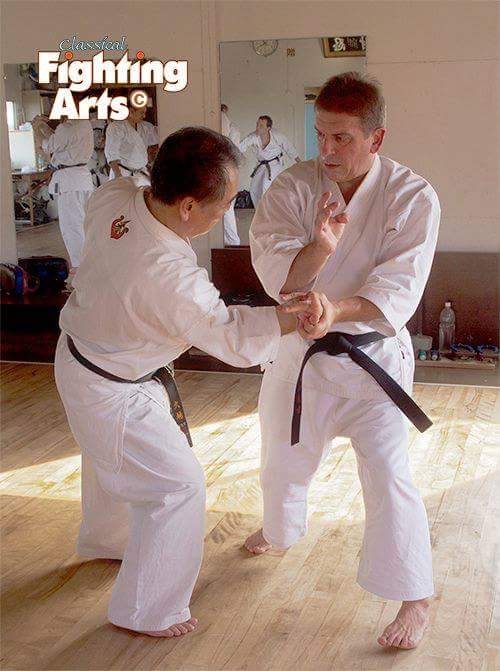
Traditional karate gives teens a clear place to practice challenge on purpose. They are not asked to become perfect overnight. They are asked to show up, pay attention, respect the process, and improve one effort at a time.
They learn to stay with difficulty
Karate asks students to do things that can feel awkward before they feel natural. A stance may tire the legs. A new movement may require coordination that is not there yet. Conditioning can be demanding. In each case, a student faces a choice: quit mentally, rush carelessly, or remain focused and give an honest effort.
Over time, teens discover that discomfort is not always a warning to stop. Sometimes it is evidence that they are developing strength, skill, patience, and endurance. A good instructor also helps students understand the difference between productive challenge and a situation that requires rest, adjustment, or attention. Mental toughness includes judgment, not reckless pushing.
They practice discipline when motivation fades
Motivation is helpful, but it is unreliable. Some days a teen will feel energized and ready to train. Other days, school has been stressful, energy is low, and practice feels like the last thing they want to do. Consistent training teaches a valuable lesson: commitments do not disappear because the mood changes.
This does not mean every day must look the same. A teen may need to train with less intensity on one day and greater focus on another. What matters is learning to honor the commitment. That habit carries into homework, chores, jobs, relationships, and long-term goals.
They receive correction without losing confidence
Constructive correction can be difficult for teenagers, especially when they are already worried about being judged. In a disciplined karate class, correction is not a personal attack. It is guidance. A student adjusts their posture, repeats the movement, and learns that being corrected is part of becoming capable.
That experience builds humility without tearing down confidence. Teens begin to see feedback as useful information instead of proof that they have failed. They become more coachable, more resilient, and more willing to learn.
They learn that progress is earned
Rank advancement, stronger technique, flexibility, focus, and self-control develop over time. There is no shortcut around repetition. That can be one of karate’s most powerful lessons for a teen who is used to quick answers and instant reactions.
When students see that steady effort produces visible progress, they develop confidence with roots. Their confidence is not based only on praise or natural talent. It is based on knowing, “I worked for this. I stayed with it. I can keep improving.”
The Role of a Supportive Dojo Community
Toughness grows best in an environment where expectations are clear and people are treated with respect. Teens need adults who will challenge them, but they also need to know that a mistake does not remove them from belonging.
A family-centered dojo creates room for both. Students are expected to arrive ready, listen carefully, and treat others with respect. At the same time, they train alongside people who understand that growth is a process. They see younger students working through the basics, peers overcoming their own challenges, and adult role models continuing to learn.
That sense of community is especially valuable during the teenage years. When a teen belongs to a group built around effort, character, and mutual respect, they have a healthier standard to measure themselves against. The goal becomes personal improvement, not constant comparison.
At Ten Chi Jin Dojo, traditional Okinawan karate is taught as more than a collection of techniques. Training is a path for overcoming physical, mental, and spiritual obstacles while becoming a more responsible and confident person. The martial skill matters, but so does the person carrying it.
How Parents Can Help Teens Build Resilience
Parents do not need to solve every hard moment for their teen. In fact, stepping in too quickly can unintentionally send the message that they cannot handle difficulty. Support works best when it combines encouragement with accountability.
Start by noticing effort, not only outcomes. Instead of focusing only on whether your teen earned a new rank or performed perfectly, ask what they practiced, what challenged them, and what they will try differently next time. Those questions help them reflect instead of simply seeking approval.
It also helps to let commitments carry weight. If your teen has agreed to train, encourage them to attend even when motivation is low, unless they are sick or genuinely need rest. Showing up after a frustrating day is often where the lesson begins.
At the same time, listen. A teen who says training is hard may not be asking to quit. They may be asking to be heard. A calm conversation can help them name the challenge, separate temporary frustration from a true concern, and choose a responsible next step.
Small Habits That Strengthen a Teen’s Mindset
Mental toughness is shaped between classes as well. A teen does not need a dramatic life challenge to practice resilience. They can build it through small, repeatable actions.
Encourage a simple reset after setbacks. A poor performance, an argument, or a hard practice can lead to one question: “What is the next right thing?” Sometimes that means taking a breath. Sometimes it means apologizing, asking for help, or giving the task another attempt.
Sleep, nutrition, and movement also matter. A tired, underfed, overstimulated teen will have a harder time regulating emotions and staying focused. Healthy routines are not punishments. They are practical support for the mind and body they are trying to strengthen.
Finally, teens benefit from goals they can control. “Practice my kata with full attention three times this week” is stronger than “Be better than everyone else.” Process goals teach ownership. They remind students that growth is built through choices they can make today.
Toughness That Serves a Bigger Purpose
The most meaningful kind of mental toughness does not make teens rigid. It makes them dependable, respectful, and steady under pressure. They become more willing to face challenges without needing to be rescued from every discomfort. They learn to use their strength to protect their values, support their families, and treat others with dignity.
Every class is an opportunity to choose that path again. One focused stance, one respectful response, one more honest attempt - these are the moments that shape a strong young person. Give your teen a place where challenge is guided by purpose, and they can begin building the confidence to meet life with calm courage.

Comments