
How to Choose Kids Karate That Builds Character
A child who struggles to focus, feels unsure in new groups, or needs a healthier outlet does not simply need another activity on the calendar. They need guidance. Learning how to choose kids karate means looking beyond uniforms, belts, and high-energy classes to find a place where your child can be known, challenged, and encouraged to grow.
The right karate school teaches more than kicking and punching. It gives children a structured path for building respect, self-control, resilience, and confidence. For parents in Dalton, Varnell, and nearby North Georgia communities, the best choice is usually the school that combines clear standards with patient, personal mentorship.
How to Choose Kids Karate: Start With the School's Purpose
Every martial arts school has a culture, whether it states that culture clearly or not. Some focus mainly on recreation, performance, or collecting achievements. Those goals are not automatically wrong, but parents should ask what the school believes karate is for.
A meaningful kids karate program treats martial arts as character training. Children should learn to listen before acting, keep trying when something is difficult, treat classmates with courtesy, and take responsibility for their effort. Physical skills matter, but they become more valuable when they are connected to habits a child can carry into school, home, friendships, and future challenges.
Listen to how instructors speak about students. Do they talk only about fast promotions and flashy techniques, or do they speak about effort, discipline, humility, and becoming better people? A child may not remember every drill years from now, but they will remember whether an adult believed they were capable of growth.
Look for Instruction That Is Both Safe and Structured
Children need a class that feels energetic without feeling chaotic. Safe instruction begins with instructors who understand age-appropriate development. Young students are still learning coordination, personal space, emotional regulation, and how to follow multi-step directions. A strong program meets them at that stage instead of expecting them to train like adults.
During a visit or introductory lesson, watch how the instructor corrects students. Clear, calm correction is a good sign. Children should be expected to pay attention and follow directions, but they should not be embarrassed for making mistakes. Karate requires discipline, and discipline is most effective when it is consistent, fair, and paired with encouragement.
Structure should be visible in the class itself. There may be a respectful opening, warm-up and mobility work, fundamental stances and strikes, partner awareness, forms, conditioning, and a focused closing. The exact format can vary by age, but students should understand what is expected of them. Predictable routines help children feel secure, especially when they are new to group activities.
Ask how the school handles contact and partner work. Good programs teach control before intensity. Children should learn how to protect themselves, respect boundaries, and use techniques responsibly. The goal is not to create aggression. It is to develop confidence that is calm, capable, and under control.
Choose Authentic Karate, Not Just a Karate-Looking Class
Not every program using the word karate offers the same depth of instruction. An authentic traditional school can explain its style, training methods, and lineage. This does not mean every child needs a history lesson during class. It means the instructors have a foundation deeper than a collection of trendy moves.
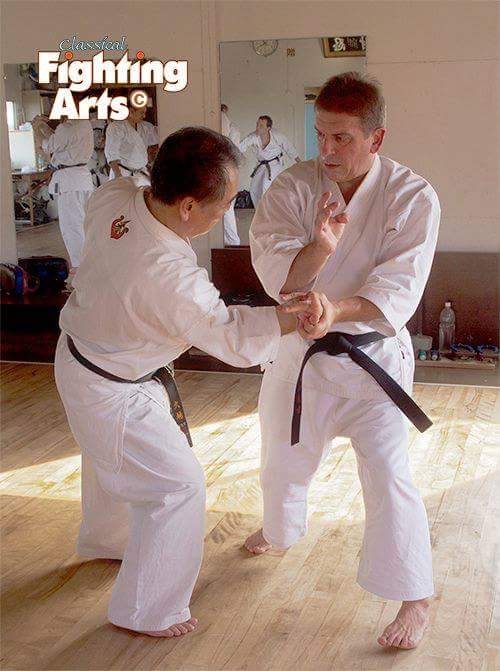
Traditional Okinawan karate, for example, values strong basics, proper body mechanics, breathing, balance, focus, and progressive learning. Students do not need to rush past fundamentals to feel successful. In fact, repeating basics with attention is one of the ways children learn patience and discover that real improvement takes time.
Ask what students are learning and why. A thoughtful instructor should be able to describe how skills build from one level to the next. There should be a clear path, but not one that treats belts as automatic rewards for simply showing up. Recognition has more meaning when it reflects steady practice, growing understanding, and good conduct.
At Ten Chi Jin Dojo, traditional Okinawan karate is taught as a lifelong path of physical, mental, and personal development. That kind of approach gives children room to begin where they are while showing them what committed training can become.
Find the Right Fit for Your Child's Age and Personality
The best class for one child may not be the best first step for another. A very young child often needs movement, simple instructions, repetition, and positive reinforcement. An older child may be ready for more technical training, accountability, and deeper conversations about leadership. Teens often benefit from a setting where they can build strength and confidence without the pressure to act like someone they are not.
Temperament matters, too. A shy child does not necessarily need the loudest class. They may thrive with an instructor who gives them time to observe, then offers small opportunities to participate and succeed. A highly energetic child needs more than a place to burn energy. They need firm boundaries and meaningful tasks that teach them how to direct that energy.
Avoid choosing based only on what your child says after one exciting visit. Ask yourself whether the environment will help them develop over time. A child may prefer what is easiest at first, yet benefit most from a welcoming class that also asks them to stand tall, pay attention, and persevere.
Watch the Community, Not Just the Instructor
A skilled instructor is essential, but the student culture matters as well. Look around the room. Are students encouraged to respect one another? Do more experienced students model patience and responsibility? Are parents treated as partners in their child’s development?
A family-centered dojo creates a sense of belonging without lowering standards. Children should know they are part of a team, but they should also understand that their choices affect the people around them. Showing respect, arriving ready to learn, and helping classmates are small actions that build strong character over time.
This community element is especially valuable when a child has had a hard day at school or is working through a difficult season. Karate should not promise to solve every struggle. It can, however, give a child a dependable place to practice courage, receive guidance, and make progress one class at a time.
Ask Questions Before You Commit
Parents do not need martial arts experience to make a wise decision. A good school welcomes thoughtful questions and answers them directly. Before enrolling, ask about the age group your child would join, what a typical class includes, how instructors communicate expectations, and how progress is evaluated.
You can also ask what the school wants students to gain beyond physical technique. The answer reveals a great deal. Look for an emphasis on confidence with humility, discipline with encouragement, and self-defense with responsibility. Be cautious if the conversation centers only on quick advancement or dramatic promises about changing a child overnight.
An introductory lesson is often the clearest way to evaluate fit. Notice whether your child is greeted personally, whether instructions are understandable, and whether they leave feeling both supported and challenged. A little nervousness is normal. The right environment helps that nervousness turn into pride through repeated effort.
Give Growth Enough Time to Take Root
Karate is not a shortcut to confidence. It is a practice. Some children gain comfort quickly, while others need weeks or months before they begin speaking up, focusing longer, or taking pride in their progress. That is not failure. It is the work of growth.
When you choose a school with authentic instruction, clear standards, and a caring community, you give your child more than an after-school activity. You give them a place to practice becoming steady, respectful, and capable. Let their first class be the beginning of a journey where each small act of effort helps build the person they are meant to become.

Comments