
Top Ways Karate Teaches Perseverance Every Day
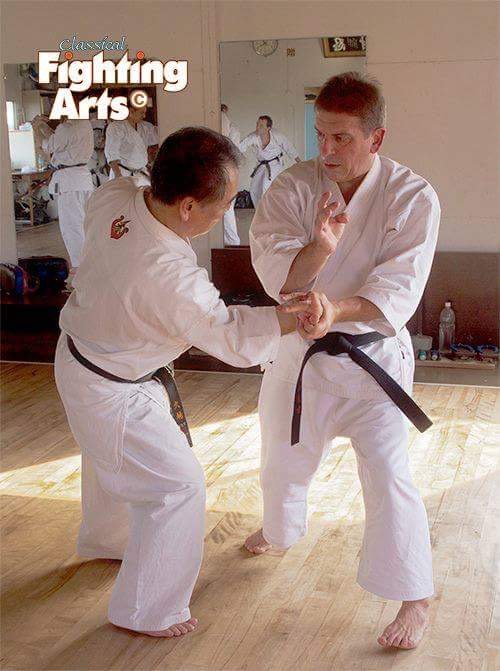
A student misses the same kick for the third time. Their balance slips, their stance shortens, and it would be easy to decide they are simply not good at karate. Instead, they reset their feet, listen to the correction, and try again. That small decision is at the heart of the top ways karate teaches perseverance. Progress is not handed out with a belt. It is built one focused repetition at a time.
For children, teens, and adults, perseverance is more than the ability to push through a hard workout. It is the character to stay present when improvement feels slow, accept guidance without giving up, and keep choosing worthwhile effort. Traditional karate gives that lesson a clear structure, a supportive community, and a purpose that reaches far beyond the dojo floor.
Top Ways Karate Teaches Perseverance
1. It makes progress visible, but never instant
Karate gives students meaningful goals: learning a stance, remembering a kata, improving a combination, preparing for the next rank, or becoming more dependable in class. These goals are clear enough to pursue, yet challenging enough that they cannot be rushed.
That balance matters. A student can see where they are headed, but they also learn that a new belt or a stronger technique comes after consistent practice. For a child who is used to quick entertainment and immediate feedback, this can be a powerful change in perspective. They begin to understand that effort today has value even when the reward comes later.
Adults benefit from the same lesson. A busy parent or professional may not feel dramatic improvement after one class. Over weeks and months, however, they notice better balance, increased flexibility, calmer breathing, and a steadier response to challenge. Karate teaches students to respect gradual growth instead of abandoning a goal because the first steps feel difficult.
2. It turns mistakes into instruction
No one performs every technique correctly the first time. A punch may be too tense. A stance may be too high. A kata sequence may be forgotten halfway through. In a healthy traditional dojo, these moments are not reasons for embarrassment. They are the next lesson.
Students learn to receive correction with respect, make an adjustment, and try again. This process develops humility, but it also builds resilience. When children learn that being corrected does not mean they have failed, they are less likely to shut down when schoolwork, sports, friendships, or responsibilities become challenging.
The same principle applies to teens and adults, although the obstacles may look different. A teen may struggle with confidence while learning in front of peers. An adult may need to let go of the expectation that they should already know how to move well. Karate creates a place where improvement is expected, and where effort is valued more than pretending to be perfect.
3. It asks students to practice when nobody is watching
Class time is essential, but perseverance grows even stronger in the choices students make between classes. A few minutes of stance work at home, reviewing a kata, stretching after a long day, or practicing proper breathing can reinforce the habit of personal responsibility.
This is not about demanding constant training. Families are busy, and every student has different needs, schedules, and energy levels. The point is to help students see that their progress belongs to them. An instructor can teach, encourage, and correct, but no one else can do the work of showing up with attention.
For parents, this can be one of karate's most practical gifts. Rather than needing reminders that sound like punishment, a child begins connecting practice with a goal they care about. They want to feel prepared. They want to improve their form. They want to honor the commitment they made to themselves and their classmates.
4. It builds discipline through routine
Perseverance is often less dramatic than people imagine. It usually looks like arriving on time, tying the belt, standing with focus, following instructions, and returning next week. Traditional karate makes these simple routines meaningful because they train the mind alongside the body.
A consistent class structure can be especially helpful for young students. They know what is expected: enter respectfully, listen carefully, practice with purpose, and treat others well. Within that structure, they discover that they are capable of more than they first believed.
Routine is not meant to make training lifeless. It creates the foundation that allows confidence to grow. When a student has practiced discipline many times in a supportive setting, they are more prepared to use it when life feels less organized. Homework, family responsibilities, difficult conversations, and long-term goals all ask for the same ability to keep going with steady purpose.
5. It teaches students to stay composed under pressure
Karate training can be demanding. Students may work through fatigue, concentrate while learning detailed movements, or perform in front of instructors and classmates during a rank evaluation. These experiences create manageable pressure, which helps students practice a valuable skill: staying calm enough to continue.
The goal is not to make students afraid of pressure. The goal is to show them that nerves, frustration, and tiredness do not have to make their choices for them. They can breathe, return to their stance, focus on the next instruction, and keep moving forward.
This lesson looks different for every age. A young child may learn to finish a drill without tears after an early mistake. A teen may learn to perform a kata with greater confidence despite feeling nervous. An adult may learn to remain patient when their body needs time to adapt. Perseverance is not ignoring discomfort. It is responding to it with wisdom and courage.
6. It connects individual effort to a community
Perseverance is easier to develop when students do not feel alone. In a family-centered dojo, students train alongside people who are working through their own challenges. The beginner sees an older student perform with focus. The experienced student remembers what it felt like to be new and offers encouragement. Parents see their children grow beside peers who are learning respect and responsibility.
This community does not remove the work. It gives the work meaning. When students bow in, practice with partners, and encourage one another, they learn that their attitude affects the people around them. Giving up carelessly can become a habit, but so can showing up with a good spirit.
At Ten Chi Jin Dojo, traditional karate is taught as a path of personal development within a village-style culture. That kind of environment helps students understand that strength is not only about individual achievement. It is also about becoming someone others can count on.
7. It gives perseverance a purpose beyond achievement
A belt promotion can be exciting, and improving a technique feels good. But karate has a deeper purpose when students learn to use their growing discipline in daily life. The aim is not simply to produce stronger kicks or faster punches. It is to build better people.
A persevering student learns to finish what they start, even when the work is not exciting. They learn self-control when emotions rise. They learn respect for teachers, family members, classmates, and themselves. Over time, these qualities shape how they respond to obstacles outside the dojo.
There are times when perseverance means pushing through a difficult practice. There are also times when it means listening to the body, resting after illness or injury, and returning with patience. Traditional karate can teach both. True discipline is not reckless force. It is the ability to make thoughtful choices and stay committed to the long journey.
Helping Your Child Carry Perseverance Home
Parents can strengthen karate's lessons without turning home into another dojo. Ask a child what was hard in class and what they did when it became hard. Praise a specific choice, such as listening after a correction or continuing to practice a difficult movement, rather than praising talent alone.
It also helps to let children experience the natural challenge of learning. When they say they cannot do something yet, remind them of a technique they once found difficult and can now perform. That word, yet, creates room for growth. It tells them that today's struggle is part of tomorrow's ability.
For teens and adults, the same encouragement applies. Choose a realistic training rhythm, stay connected to the reasons you began, and measure progress over months rather than single classes. A meaningful martial arts journey has demanding days, but those days often become the evidence that you are growing.
Perseverance is built when a student faces one honest challenge, chooses to continue, and discovers they are stronger and more capable than they believed. That lesson can stay with them long after class has ended.

Comments